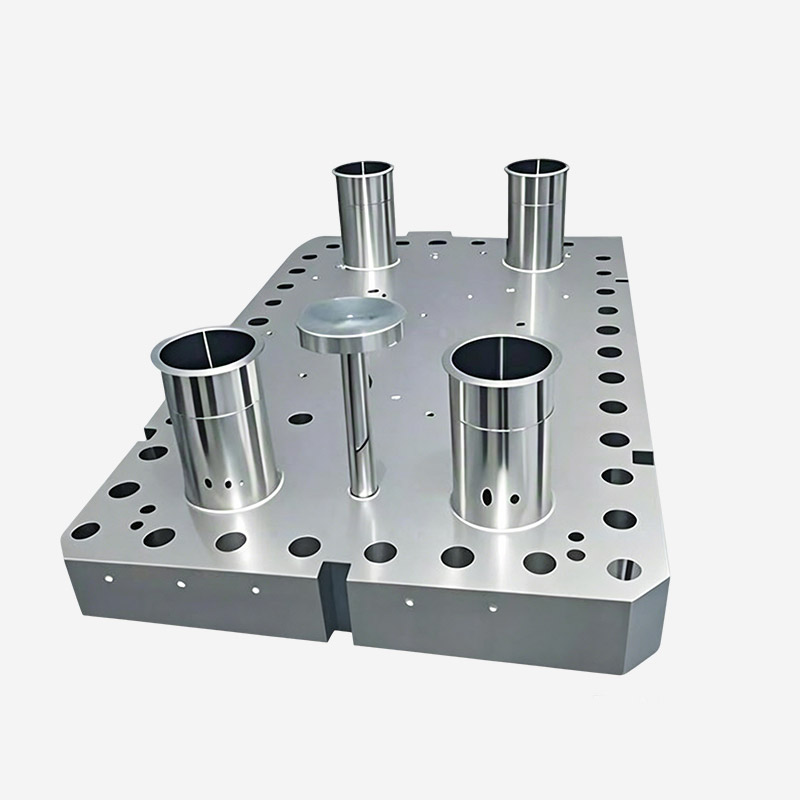

 English
 日本語
日本語
 عربى
عربى
 中文简体
中文简体


Cover Plate Glass Processing and Polishing Materials
Application field: Cover glass The processing of cover glass for electronic products such as touch s...

Content
A small machine shop in Ohio received an urgent order for 200 hydraulic manifold blocks that required 18 different drilling operations, each with positional tolerances of ±0.02 mm. The shop owner had two options: mount each block manually on a manual milling machine, with an estimated cycle time of 45 minutes per part, or program a CNC machining center that would complete each block in 12 minutes with perfect repeatability. He chose CNC, delivered the order three days early, and earned a long-term contract with the customer. That decision was not just about speed—it was about embracing a manufacturing technology that has revolutionized modern production.
Computer numerical control machining is the backbone of modern manufacturing. From aerospace components and medical implants to automotive parts and consumer electronics, CNC machines produce the precision parts that power our world. But what exactly is CNC machining? This comprehensive guide explains the process, explores its wide-ranging applications, and examines both its advantages and limitations. Whether you are new to manufacturing or evaluating production methods for your next project, this resource will help you understand why CNC machining has become the gold standard for precision manufacturing.
CNC machining is a subtractive manufacturing process that uses pre-programmed computer software to control the movement of machine tools and cutting equipment. Unlike manual machining, where an operator directly controls the machine's movements using handwheels and levers, CNC machines follow a digital code—typically G-code and M-code—that dictates every action with extreme precision. This automation allows for consistent, repeatable production of complex parts that would be difficult or impossible to produce manually.
CNC technology can be applied to a wide range of machines, including mills, lathes, routers, grinders, and electrical discharge machines. Each type of machine serves a specific purpose. CNC milling machines use rotating cutting tools to remove material from a stationary workpiece, making them ideal for creating complex shapes and flat surfaces. CNC lathes, on the other hand, rotate the workpiece while a stationary cutting tool removes material, which is perfect for cylindrical parts such as shafts, bushings, and fasteners. More advanced 5-axis CNC machines can rotate the workpiece or the toolhead along multiple axes simultaneously, enabling the creation of highly complex geometries in a single setup.
At its core, CNC machining transforms a digital design—a 3D CAD model—into a physical part through a series of precise, controlled material removal operations. The process is repeatable, scalable, and capable of holding tolerances as tight as ±0.005 mm, making it indispensable for industries where precision is paramount.
The CNC machining process follows a well-defined sequence of steps, starting with a digital design and ending with a finished physical part. Understanding this workflow is essential for appreciating the capabilities and limitations of the technology.
The first step is creating a 3D CAD model of the part using computer-aided design software. This digital model defines the part's geometry, dimensions, and tolerances. Once the design is finalized, it is imported into CAM software, which generates the toolpaths and machine code that guide the cutting tools. The CAM programmer specifies cutting speeds, feed rates, tool selections, and cutting sequences to optimize the machining process. The resulting G-code is then loaded into the CNC machine's controller, which interprets the code and executes the machining operations.
During machining, the workpiece is securely held in the machine using vises, chucks, or custom fixtures. The cutting tool rotates or moves according to the programmed instructions, removing material in precise increments. Coolant is applied to control temperature, lubricate the cutting interface, and clear away chips. Throughout the process, operators monitor the machine, performing in-process inspections to verify that dimensions are being held within tolerance. After the machining is complete, the part may undergo secondary operations such as deburring, surface finishing, or heat treatment before final inspection and shipping.
This three-stage workflow—design, programming, and machining—is the foundation of every CNC production run, whether producing a single prototype or a hundred thousand parts.
CNC technology encompasses several distinct machining processes, each suited to different geometries and production requirements. The most common CNC processes include milling, turning, drilling, and grinding.
CNC milling is the most versatile process, capable of producing complex three-dimensional shapes on flat or contoured surfaces. Milling machines use rotating multi-tooth cutting tools to remove material, and they can be equipped with automatic tool changers that allow for multiple operations in a single setup. Three-axis milling is common for prismatic parts, while 4-axis and 5-axis milling enable the production of intricate parts with curved surfaces and undercuts.
CNC turning is used for cylindrical parts, with the workpiece rotating against a stationary cutting tool. Turning operations include facing, turning, threading, grooving, and boring. Modern turning centers often include live tooling, which allows for milling and drilling operations without removing the part from the lathe—a capability known as mill-turning or multi-tasking.
CNC drilling is used to create precise holes with accurate diameters and depths. Advanced drilling cycles can include peck drilling for deep holes and tapping for internal threads. CNC grinding achieves fine surface finishes and tight tolerances on hardened materials, often as a finishing operation after other machining processes.
Common CNC processes by application
Relative application frequency across typical CNC machining shops. Milling and turning are the most common primary processes.
CNC machining serves virtually every industry that requires high-precision components. The technology's ability to produce complex geometries with tight tolerances makes it indispensable for mission-critical applications.
In the aerospace industry, CNC machining produces structural components, engine parts, landing gear, and turbine blades from materials such as titanium, Inconel, and aluminum. These parts must withstand extreme temperatures, pressures, and stresses, and any deviation from specification can compromise safety. In the medical device industry, CNC machining creates surgical instruments, orthopedic implants, dental prosthetics, and components for diagnostic equipment. Materials such as stainless steel, titanium, and PEEK are commonly used, and parts must meet stringent biocompatibility and cleanliness standards.
The automotive industry relies on CNC machining for engine blocks, cylinder heads, transmission components, and suspension parts. High-volume production often uses CNC machines for core manufacturing, while low-volume and prototype work benefits from the flexibility of CNC machining centers. In the electronics industry, CNC machining produces heat sinks, enclosures, connectors, and semiconductor components with the precision required for modern devices. Our precision mechanical manufacturing solutions serve all of these industries, delivering parts that meet the most demanding specifications.
Material capability radar
A typical precision machining shop's capability across common material types. Aluminum and stainless steel are most commonly processed, while titanium and Inconel require specialized tooling and expertise.
CNC machining offers several distinct advantages over manual machining and other manufacturing processes, making it the preferred choice for a wide range of applications.
Precision and accuracy are perhaps the most significant advantages of CNC machining. The computer-controlled nature of the process eliminates the variability associated with manual operation, ensuring that every part produced matches the design specifications exactly. This repeatability is essential for industries where consistent quality is required across large production runs.
Speed and efficiency are also key benefits. CNC machines can operate continuously with minimal operator intervention, often running lights-out during off-hours to maximize productivity. Once a program is developed, the same part can be produced consistently at high speed, reducing cycle times and lowering per-part costs. For complex parts, CNC machining can perform multiple operations in a single setup, reducing the time and cost associated with handling and repositioning.
Flexibility is another major advantage. CNC machines can be reprogrammed quickly to accommodate design changes or new parts, making them ideal for prototyping and low-volume production. With the growing adoption of 5-axis and multi-tasking machines, increasingly complex geometries can be produced without the need for secondary operations or multiple setups.
Key advantages
Industry benefits
Despite its many advantages, CNC machining has several limitations that must be considered when evaluating production methods.
High capital cost is a significant barrier to entry. CNC machines are expensive to purchase, install, and maintain, and the required support equipment—such as tooling, workholding, and inspection systems—adds to the overall investment. For small shops or low-volume projects, the cost can be prohibitive, making manual machining or outsourcing more attractive options.
Programming and setup complexity is another limitation. Creating the toolpaths and G-code for complex parts requires skilled programmers with expertise in CAM software. Programming errors can lead to tool crashes, scrapped parts, and machine damage, so the time and cost of programming must be factored into project planning. For simple parts, the programming overhead may outweigh the benefits of CNC automation.
Material and tooling constraints also exist. While CNC machining can process a wide range of materials, some materials—such as hardened steels, ceramics, and composites—are difficult or expensive to machine. Tool wear is a constant consideration, and tooling costs can be significant for hard materials or long production runs. Additionally, CNC machining is a subtractive process, meaning it generates waste material in the form of chips and scrap, which can be costly to manage for expensive materials.
| Characteristic | CNC machining | Manual machining |
| Precision | ±0.005 to 0.025 mm | ±0.05 to 0.25 mm |
| Repeatability | Excellent, near-identical parts | Operator-dependent |
| Production speed | High, continuous operation | Lower, operator fatigue |
| Setup time | 1-4 hours typical | 15-60 minutes |
| Skill requirement | High (programming + setup) | High (manual dexterity) |
| Cost per part | Decreases with volume | Increases with complexity |
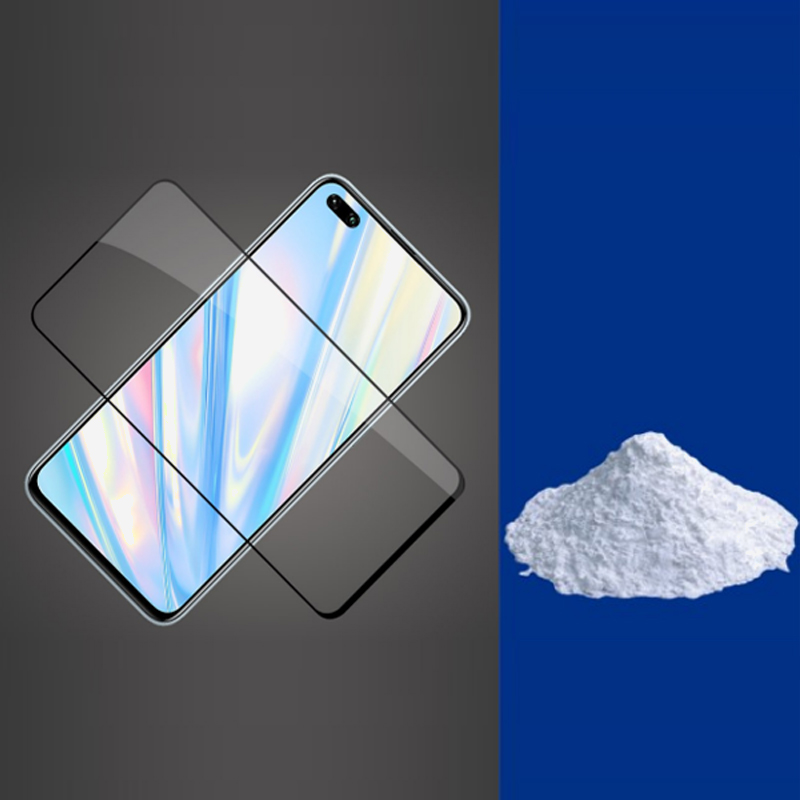
Application field: Cover glass The processing of cover glass for electronic products such as touch s...
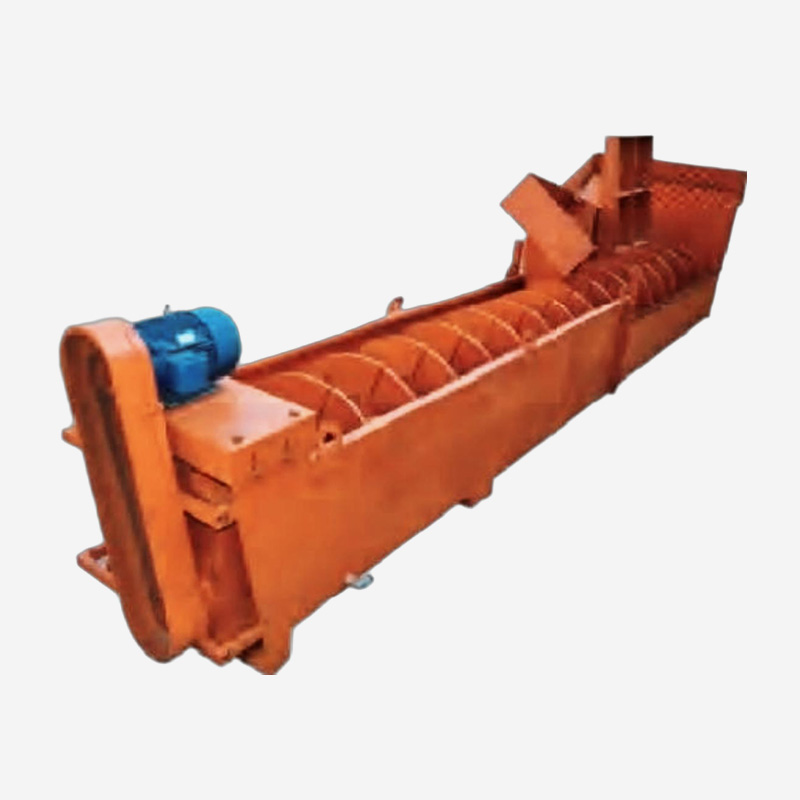
This series of products is a high- efficiency wheel bucket type sand washing equipment used in conju...
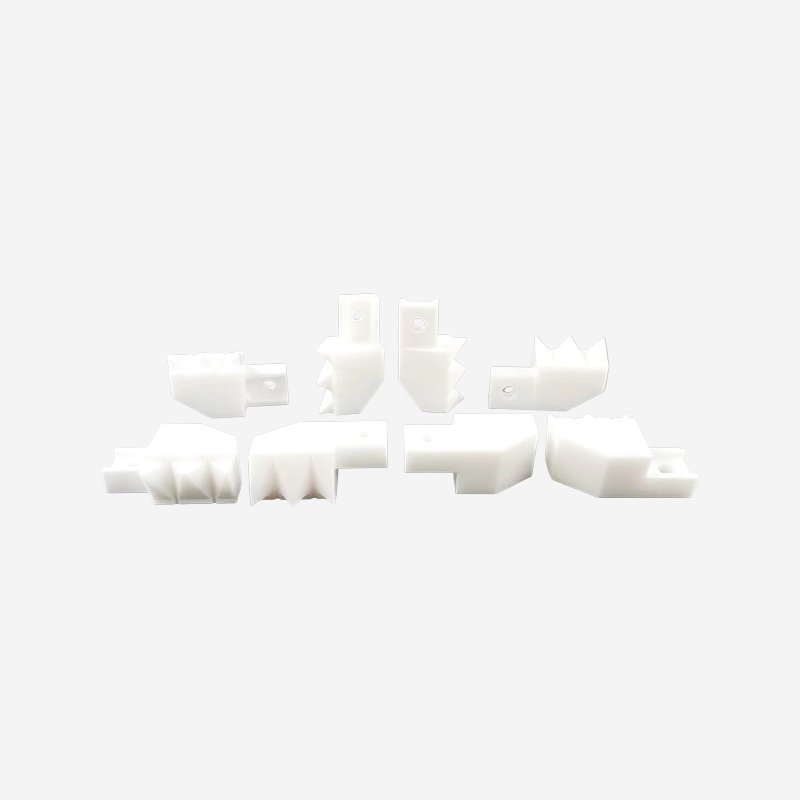
Specializing in ultra-tight tolerances, our machined ceramic plates and custom parts are tailored to...
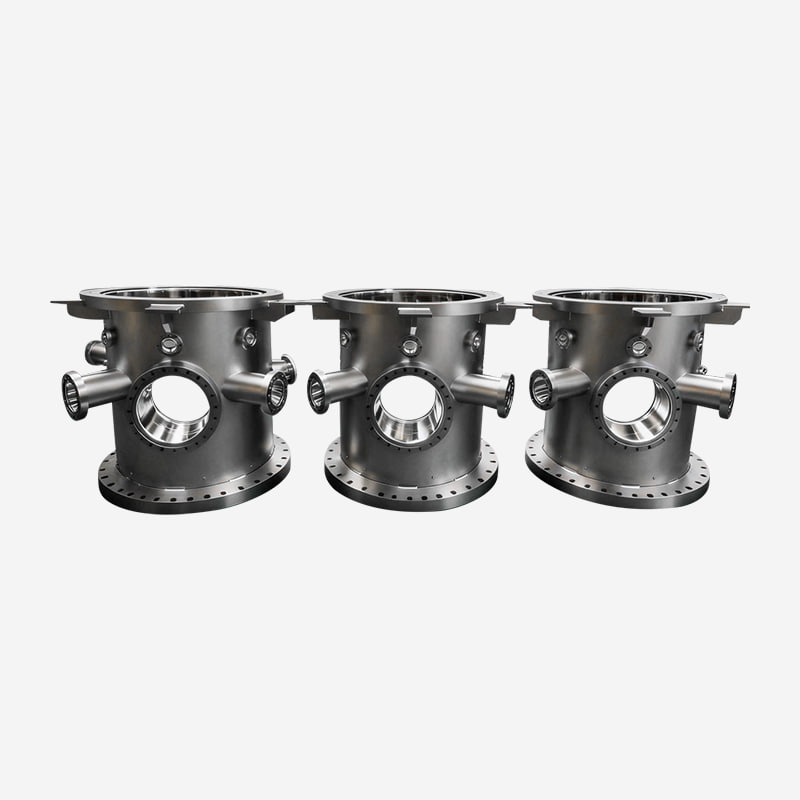
Meeting HV and UHV standards, these chambers are rigorously helium leak-tested to ensure ultra-low l...
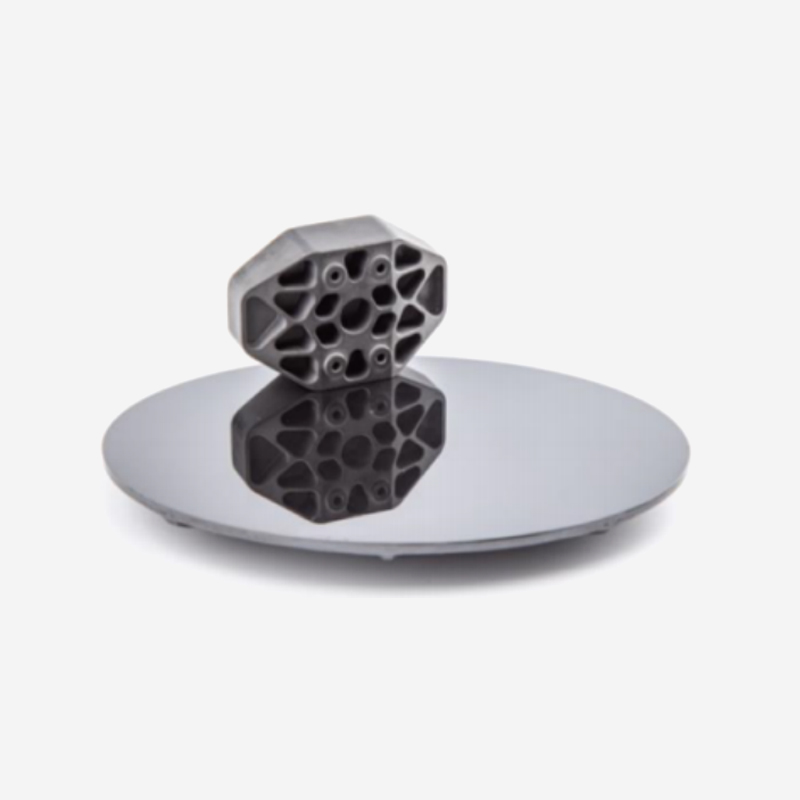
Silicon carbide features an extremely low porosity, a uniform and dense microstructure, a low densit...
Ready to Innovate Together? Contact Our Experts.

Contact Us
Address: 288 Shande Road, Shanyang Town, Jinshan District, Shanghai, China TEL/WhatsApp:Mobile terminal