Why are semiconductor vacuum chambers manufactured from stainless steel instead of aluminum?
The selection of stainless steel as the primary material for semiconductor vacuum chambers, rather than aluminum, is not arbitrary. It emerges from specific physical, chemical, and operational requirements that define semiconductor manufacturing processes. The decision involves considerations of outgassing behaviour, thermal performance, welding characteristics, surface stability, and long-term reliability. SUNFUN Group, drawing on decades of experience in precision manufacturing, fabricates vacuum chambers from both materials, but the overwhelming majority of semiconductor applications specify stainless steel for reasons that extend well beyond mechanical strength.
Product Category 1: Austenitic Stainless Steel Vacuum Chambers
Definition and Positioning
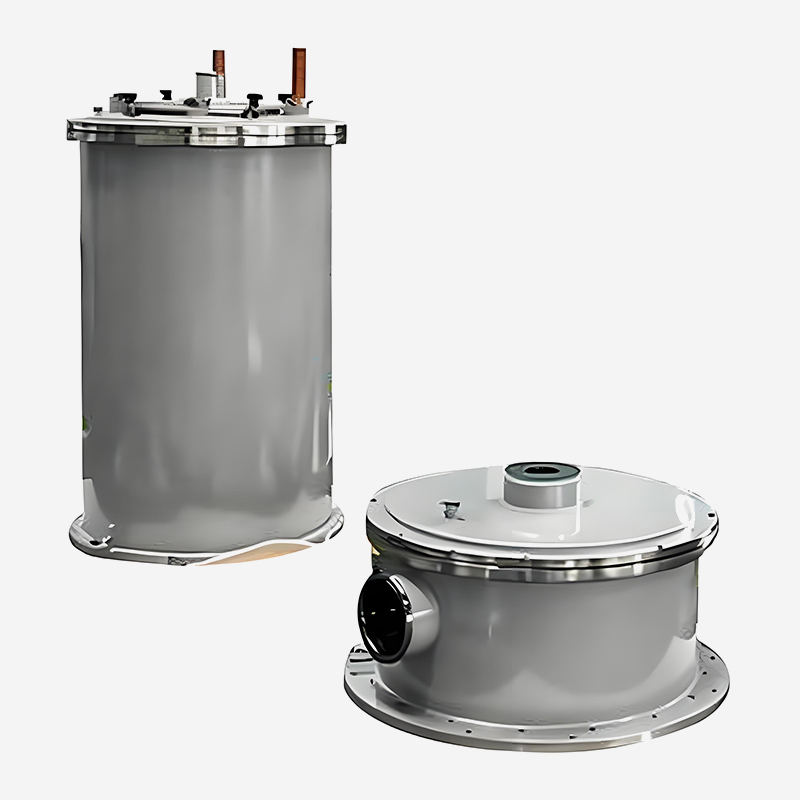
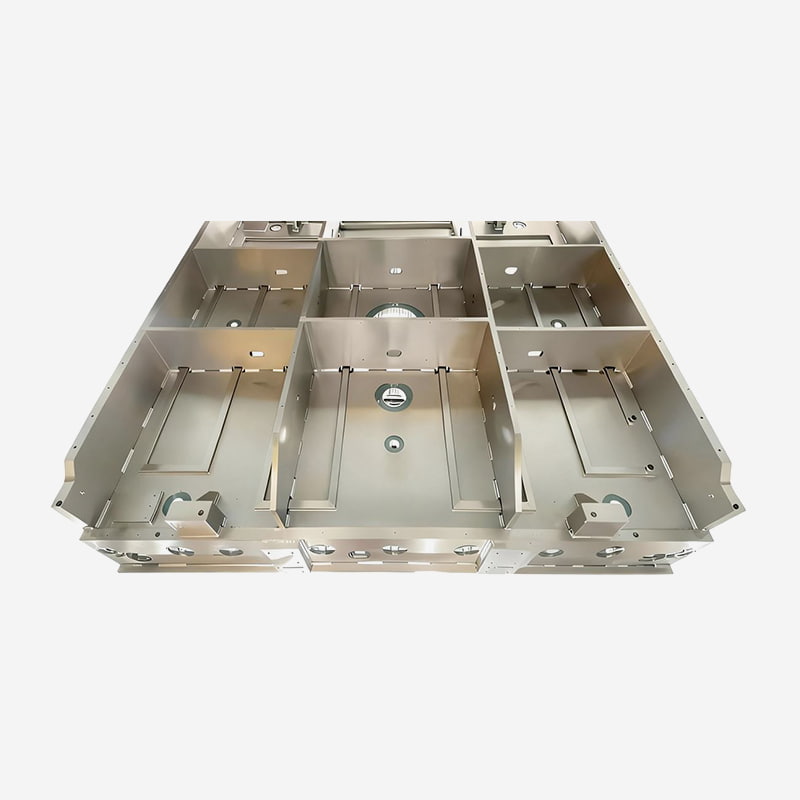
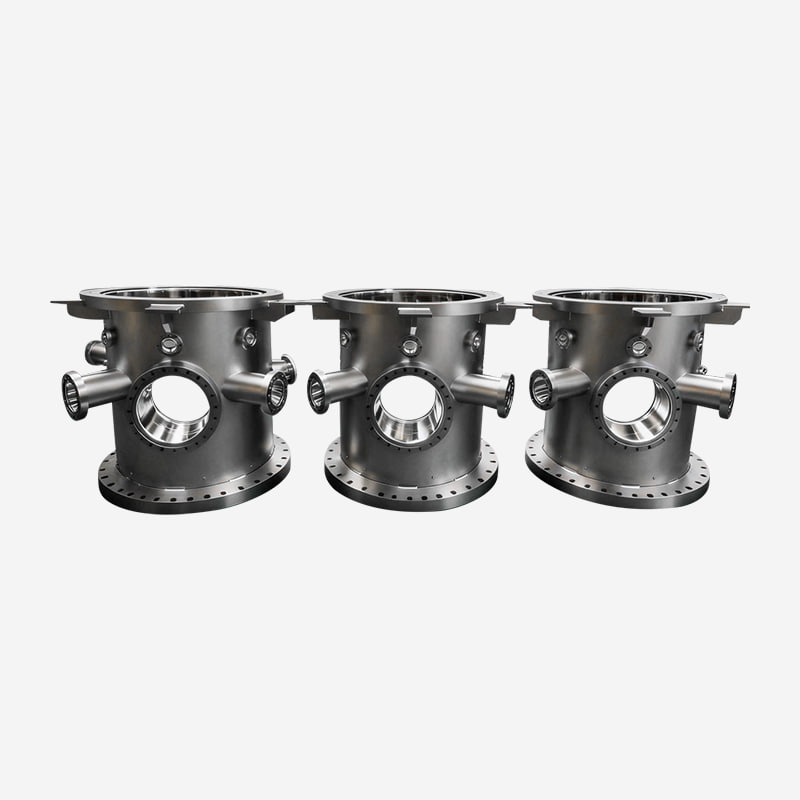
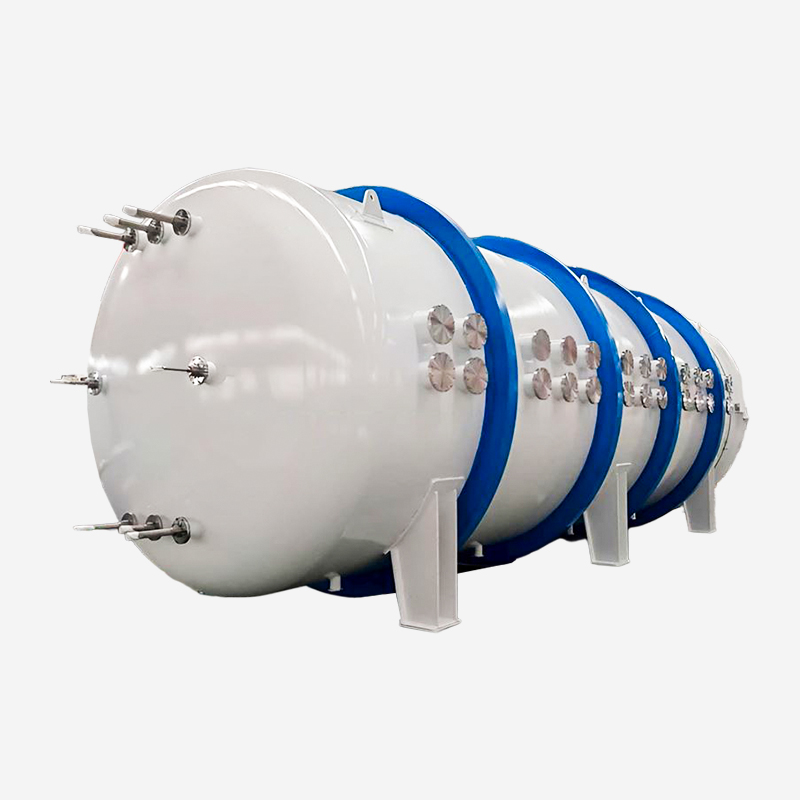
Austenitic stainless steel chambers—primarily Type 304 and 316L—represent the standard construction material for semiconductor vacuum equipment. These chambers are fabricated from sheet or plate material, formed into cylindrical or rectangular geometries, and assembled through full-penetration welding. They are positioned as the benchmark for semiconductor processing tools, accommodating processes from physical vapor deposition to atomic layer etching. The material choice reflects the chamber's role as a clean, stable envelope that maintains process integrity over years of operation.
Core Functions and Technical Features
Stainless steel offers several functional advantages that directly benefit semiconductor vacuum chamber performance. Surface outgassing rates for stainless steel are substantially lower than for aluminum—typically one to two orders of magnitude lower after appropriate surface preparation. This reduction in outgassing enables semiconductor vacuum chambers to achieve and maintain the ultra-high vacuum conditions required for processes such as molecular beam epitaxy and electron beam lithography. The material's low vapor pressure ensures that trace metallic contamination remains below detection limits for sensitive semiconductor processes, where even parts-per-billion levels of contamination can affect device yields.
Thermal stability distinguishes stainless steel chambers in semiconductor applications. The coefficient of thermal expansion for stainless steel (approximately 16×10⁻⁶ /°C) is close to that of many process components and tooling, maintaining alignment tolerances during bakeout and thermal cycling. The material's thermal conductivity, while lower than aluminum, provides more uniform heat distribution during bakeout—reducing the risk of localized hot spots that could damage sensitive process hardware or cause differential expansion of sealing surfaces. Surface hardness and wear resistance contribute to long-term dimensional stability, maintaining sealing integrity across thousands of flange closure cycles. These performance characteristics define semiconductor vacuum chambers as critical process equipment that demands specific material properties.
Typical Application Scenarios
Stainless steel chambers dominate semiconductor fabrication environments. In plasma etching tools, these chambers must withstand reactive ion chemistries while maintaining dimensional stability across temperature fluctuations. Chemical vapor deposition systems require chambers that resist corrosion from precursor gases and byproducts while providing smooth surfaces that minimize particle generation. Physical vapor deposition tools—including sputtering and evaporation systems—use stainless steel chambers that can be heated and cooled repeatedly without degradation. Each application requires the low outgassing, corrosion resistance, and thermal stability that stainless steel provides.
Differentiation from Aluminum Chambers
The fundamental difference between stainless steel and aluminum chambers lies in their response to semiconductor process environments. Stainless steel forms a passive chromium oxide layer that resists attack from most process gases and cleaning chemistries. Aluminum, by contrast, is susceptible to halogen-based etch chemistries and requires additional protective coatings—which can introduce complexity and failure modes. Stainless steel can be electropolished to achieve surface roughness values below 0.5 µm Ra, reducing particle adhesion and facilitating cleaning. Welding produces strong, leak-tight joints with good fatigue resistance, whereas aluminum welding presents challenges including porosity and reduced strength in the heat-affected zone. These considerations make stainless steel chambers the preferred choice for industrial vacuum chambers in semiconductor production environments.
SUNFUN Group's Stainless Steel Chamber Capabilities
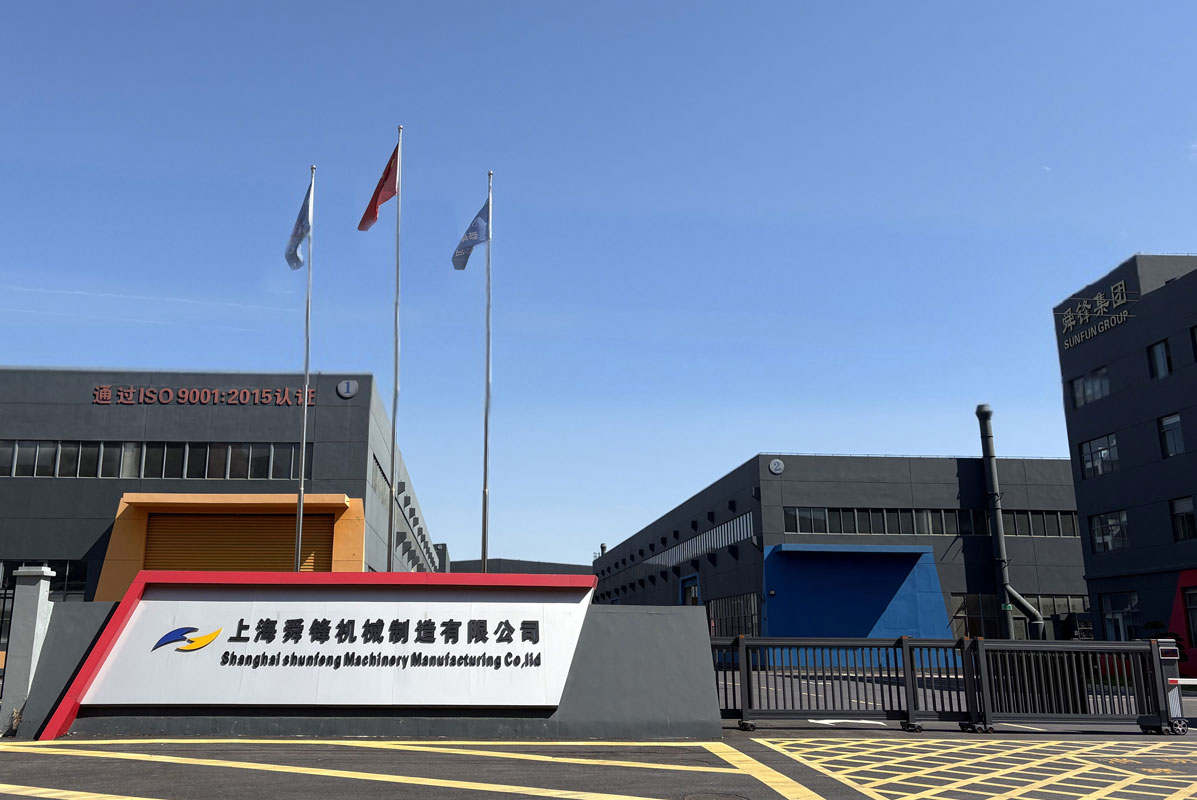
SUNFUN Group has accumulated specialized knowledge in stainless steel chamber fabrication over decades of manufacturing vacuum equipment. Our full-penetration welding techniques, developed through our in-house institute and talent academy, produce chambers that consistently pass helium leak testing at rates below 10⁻⁹ mbar·L/s. Our electropolishing processes achieve the surface finishes required for semiconductor applications. Our accredited technology enterprise status, demonstrated through completion of national-level R&D tasks and projects commissioned by the NDRC and MIIT, supports continuous improvement in chamber manufacturing methods. Through partnerships with universities and research institutions, we maintain awareness of evolving semiconductor process requirements that inform our chamber designs.
Key Specifications
- Materials: Type 304, 316L, and specialty stainless alloys
- Surface finish: Electropolished to Ra ≤ 0.5 µm
- Welding: Full-penetration with controlled heat input
- Leak rate: < 10⁻⁹ mbar·L/s helium
- Bakeout temperature: Up to 450 °C for UHV applications
- Chamber sizes: Custom configurations from 0.1 to 1,000+ litres
Product Category 2: Ultra-High Vacuum Chambers
Definition and Positioning
Ultra-high vacuum chambers represent the most demanding category of vacuum enclosures, operating at pressures below 10⁻⁷ mbar. These chambers are required for surface science, advanced semiconductor research, and particle accelerator applications where even trace contamination would compromise experimental or process outcomes. The engineering requirements for UHV chambers extend beyond those of standard semiconductor chambers, with additional emphasis on weld quality, surface cleanliness, and bakeout performance. Stainless steel is the universal material choice for UHV chambers—aluminum is not considered a viable option for these extreme applications.
Core Functions and Technical Features
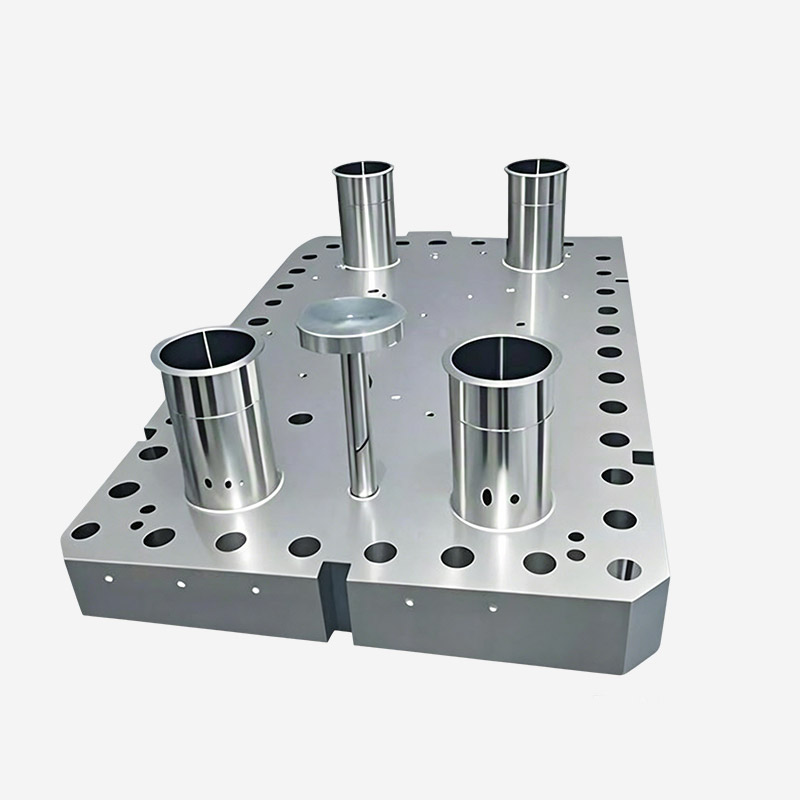
UHV chambers incorporate specific features that enable attainment of extreme vacuum pressures. All metal seals—typically ConFlat (CF) flanges with copper or aluminum gaskets—provide leak-tight closures that survive bakeout cycles at temperatures reaching 450 °C. Internal surfaces are electropolished to minimize surface area and eliminate microscopic crevices that could trap contaminants. Welded joints are designed with full penetration and minimal undercut to reduce virtual leakage sources. The chambers are typically equipped with viewports, electrical feedthroughs, and manipulator ports, all engineered to maintain UHV integrity. Materials used in UHV chambers—including stainless steel—are selected for low vapor pressure, minimizing the contribution of chamber materials to the gas load. These design features define ultra-high vacuum chambers as precision-engineered enclosures that enable research and advanced manufacturing at the atomic scale.
Stainless steel's advantages become particularly pronounced in UHV applications. The material's ability to be baked at elevated temperatures—essential for desorbing water vapor and other contaminants—is critical for achieving pressures below 10⁻⁹ mbar. Aluminum cannot be baked to the same temperatures without significant risk of dimensional change or degradation of sealing surfaces. Stainless steel's compatibility with ion and titanium sublimation pumps—common UHV pumping technologies—eliminates the galvanic compatibility concerns that arise with aluminum in these pumping configurations. The weldability and machinability of stainless steel enable the fabrication of complex chamber geometries with multiple ports and internal structures, while maintaining the low outgassing characteristics essential for UHV performance.
Typical Application Scenarios
SUNFUN Group's UHV chambers serve research and manufacturing applications at the forefront of technology. Molecular beam epitaxy systems—used for depositing high-purity semiconductor layers—require UHV environments to maintain the long mean-free paths needed for directed molecular beams. Surface science instruments including scanning tunneling microscopes, X-ray photoelectron spectrometers, and low-energy electron diffraction systems rely on UHV chambers to maintain atomically clean surfaces for extended periods. Particle accelerator vacuum systems use UHV chambers throughout beamline sections to prevent scattering and maintain beam quality. Each application demands the low outgassing and clean vacuum stainless steel provides.
Differentiation from Standard Semiconductor Chambers
UHV chambers are distinguished from standard semiconductor vacuum chambers by their more stringent cleanliness requirements and bakeout capabilities. Standard semiconductor chambers typically operate at pressures between 10⁻³ and 10⁻⁷ mbar, with less demanding outgassing specifications. UHV chambers must achieve pressures below 10⁻⁷ mbar, requiring bakeout systems that operate at temperatures of 150-450 °C. The choice of stainless steel is essential for UHV applications because aluminum cannot be baked at these temperatures and exhibits higher outgassing rates under vacuum. Both categories represent semiconductor vacuum chambers but with different performance specifications and manufacturing requirements.
SUNFUN Group's UHV Fabrication Expertise
SUNFUN Group's UHV chamber production draws on specialized manufacturing capabilities developed through our in-house institute and talent academy. Our welding procedures are qualified to meet the requirements of UHV applications, including controlled heat input and inspection methods that detect microscopic weld defects. Our electropolishing techniques achieve the surface quality required for ultra-high vacuum. Through our open innovation ecosystem, established in partnership with universities and research institutions, we contribute to research on UHV materials and fabrication methods. Our accredited technology enterprise status and national-level R&D achievements support our capability to produce chambers that meet the rigorous requirements of UHV applications.
UHV Chamber Selection Criteria
- Target base pressure: 10⁻⁷ to 10⁻¹² mbar range
- Bakeout temperature capability: 150 °C to 450 °C standard
- Leak rate specification: < 10⁻¹⁰ mbar·L/s helium
- Surface finish requirement: Electropolished, Ra ≤ 0.4 µm
- Outgassing rate: ≤ 10⁻⁹ mbar·L/s·cm² after bakeout
- Flange standard: CF (ConFlat) with all-metal gaskets
Product Category 3: Aluminum Vacuum Chambers for Less Demanding Applications
Definition and Positioning
Aluminum vacuum chambers occupy a specific niche in vacuum equipment—applications where the extreme performance of stainless steel is not required. These chambers are fabricated from aluminum alloys and used in industrial drying, vacuum packaging, and some research applications that operate at pressures above 10⁻³ mbar. Aluminum chambers are lighter, more thermally conductive, and generally less expensive to fabricate than equivalent stainless steel chambers. However, they cannot achieve the low outgassing or UHV performance of stainless steel chambers, limiting their use in semiconductor manufacturing.
Core Functions and Technical Features
Aluminum vacuum chambers offer functional advantages in specific applications. The material's high thermal conductivity—approximately four times that of stainless steel—enables rapid heat transfer and uniform temperature distribution during operation. The lower density of aluminum makes it preferable for applications requiring lightweight construction, such as portable vacuum systems or chambers mounted on moving assemblies. Aluminum is generally easier to machine than stainless steel, enabling more complex internal geometries at lower manufacturing cost. For applications requiring only rough to medium vacuum (10⁻¹ to 10⁻³ mbar), aluminum chambers can be constructed with elastomer seals and simpler fabrication techniques.
The limitations of aluminum become apparent when considering its suitability for semiconductor applications. Aluminum exhibits significantly higher outgassing rates than stainless steel—typically 10⁻⁶ to 10⁻⁸ mbar·L/s·cm² compared to 10⁻⁹ to 10⁻¹⁰ for stainless steel. This outgassing includes water vapor and organic contamination that would interfere with sensitive semiconductor processes. Aluminum's surface oxide layer, while protective, is susceptible to chemical attack from halogen-based etch gases commonly used in semiconductor processing. Welding aluminum presents challenges including porosity and reduced strength in the weld zone, requiring careful process control and inspection. The material's lower melting point limits bakeout temperatures to approximately 150 °C, well below the 450 °C achievable with stainless steel—a significant constraint for achieving UHV conditions.
Typical Application Scenarios
SUNFUN Group manufactures aluminum chambers for specific applications where stainless steel would be unnecessarily expensive or heavy. Industrial drying equipment uses aluminum chambers for vacuum dehydration processes operating at moderate vacuum levels. Vacuum packaging machinery frequently employs aluminum chambers in contact with food products, where its corrosion resistance and ease of cleaning are advantageous. Some research instruments that do not require UHV conditions use aluminum chambers for their weight and cost advantages. These applications demonstrate that aluminum retains a useful role in the vacuum equipment landscape, even as stainless steel dominates semiconductor applications.
Differentiation from Stainless Steel Chambers
The selection between aluminum and stainless steel chambers is not about one material being superior in absolute terms—it is about choosing the appropriate material for the required performance level. Stainless steel offers lower outgassing, higher bakeout temperature capability, and better resistance to semiconductor process chemistry, making it the preferred choice for industrial vacuum chambers in semiconductor manufacturing. Aluminum offers weight and cost advantages for less demanding applications. The informed decision requires evaluating process requirements, contamination sensitivity, and operational protocols to determine which material best meets the application's performance specifications.
SUNFUN Group's Capabilities Across Materials
SUNFUN Group maintains fabrication capabilities for both stainless steel and aluminum vacuum chambers, applying appropriate manufacturing techniques to each. Our in-house institute and talent academy have developed specialized welding and finishing processes for both materials. Our accredited technology enterprise status supports quality systems that ensure consistent chamber fabrication across materials and applications.
Key Specifications Comparison
| Parameter |
Stainless Steel (304/316L) |
Aluminum (5xxx/6xxx Series) |
| Outgassing rate (mbar·L/s·cm²) |
10⁻⁹ – 10⁻¹⁰ |
10⁻⁶ – 10⁻⁸ |
| Maximum bakeout temperature |
450 °C |
150 °C |
| Corrosion resistance (halogen environments) |
High |
Moderate (requires coating) |
| Weldability |
Excellent with controlled procedures |
Moderate (porosity risk) |
| Thermal conductivity (W/m·K) |
~16 |
~160 |
| Typical pressure range |
Atmosphere to UHV (10⁻¹² mbar) |
Atmosphere to 10⁻³ mbar |
The dominance of stainless steel in semiconductor vacuum chamber applications reflects the material's alignment with the requirements of semiconductor processing—low outgassing, high temperature bakeout capability, corrosion resistance, and weldability. SUNFUN Group has established fabrication capabilities that address both stainless steel and aluminum chamber requirements, with our precision manufacturing infrastructure supporting the production of chambers that meet the performance specifications of semiconductor, research, and industrial applications.
Frequently Asked Questions
Q1: Can aluminum vacuum chambers ever be used in semiconductor manufacturing?
Aluminum chambers are generally not used in mainline semiconductor fabrication due to their higher outgassing rates and limited bakeout capability. However, some semiconductor support equipment—such as load locks and transfer chambers operating at higher pressures—may use aluminum where vacuum requirements are less stringent. For processes requiring pressures below 10⁻⁵ mbar, stainless steel remains the standard material for semiconductor vacuum chambers.
Q2: Why is bakeout temperature capability important for semiconductor vacuum chambers?
Bakeout removes water vapor and other adsorbed gases from internal chamber surfaces, enabling lower base pressures. Stainless steel can be baked at 450 °C, which effectively desorbs these contaminants. Aluminum has a maximum bakeout temperature of about 150 °C—insufficient to remove tightly bound water and hydrogen, limiting its ultimate achievable pressure for ultra-high vacuum chambers.
Q3: How does surface finish affect vacuum chamber performance?
Surface finish affects both outgassing and particle generation in vacuum chambers. Electropolished stainless steel surfaces with Ra ≤ 0.5 µm reduce surface area for gas adsorption and provide smooth surfaces that minimise particle adhesion. Electropolished aluminum can also be produced, but the material's higher outgassing rate—even with comparable surface finish—limits its performance in semiconductor applications.
Q4: What quality controls apply to SUNFUN Group's vacuum chamber manufacturing?
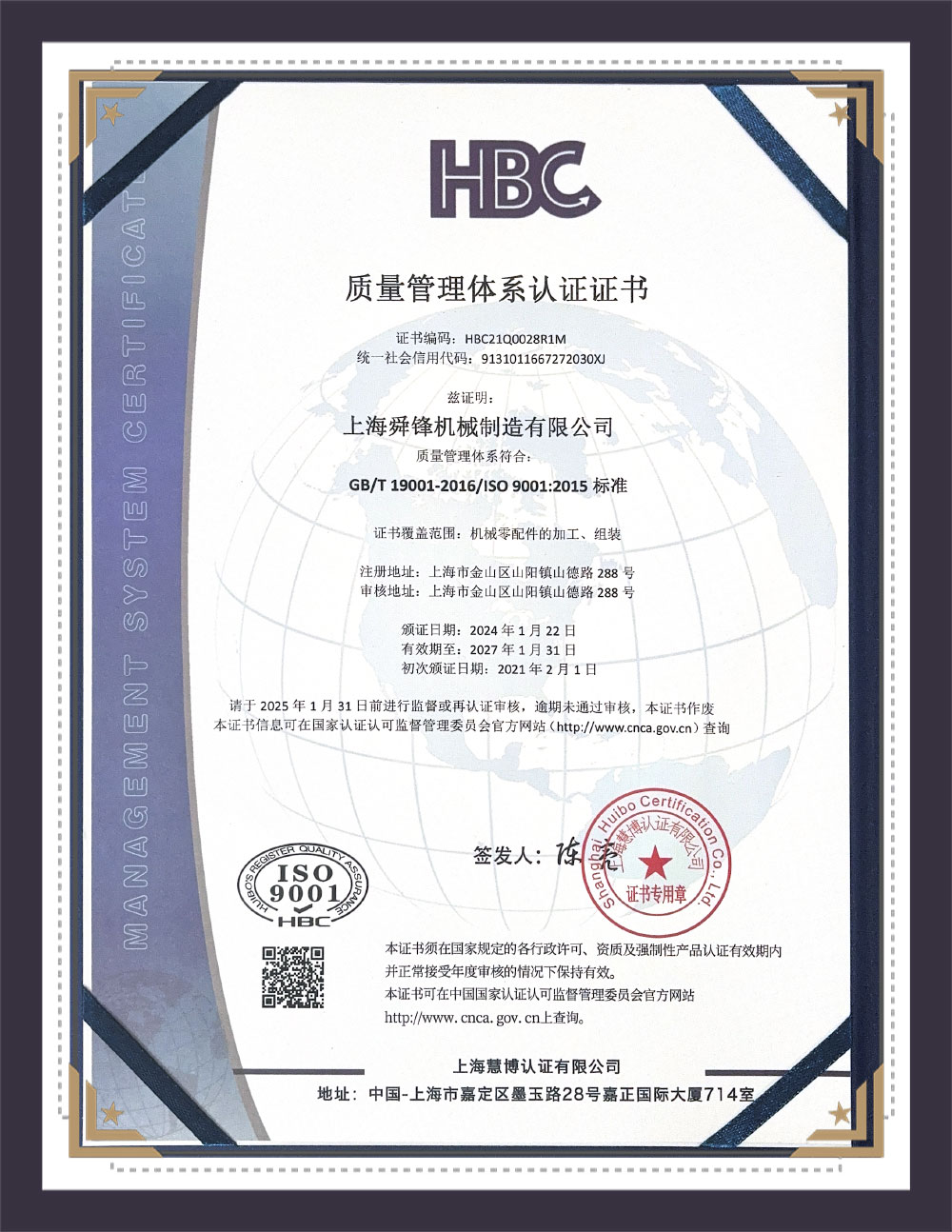
SUNFUN Group applies rigorous quality controls to vacuum chamber fabrication, including material certification, welding procedure qualification, dimensional inspection, surface finish measurement, and helium leak testing. Our accredited technology enterprise status supports comprehensive quality systems, and our in-house institute provides technical oversight for chamber manufacturing. Our history of national-level R&D achievements informs our quality control procedures for industrial vacuum chambers.


 English
 日本語
日本語
 عربى
عربى
 中文简体
中文简体