What are the key specifications of the JIS B 2290 vacuum flange standard?
The Japanese Industrial Standard B 2290 defines the specifications for vacuum flanges widely used across semiconductor, research, and industrial vacuum applications. This standard establishes dimensions, materials, sealing methods, and performance requirements for flange connections operating under vacuum conditions. SUNFUN Group manufactures flanges to this specification, applying precision machining capabilities developed over four decades to produce components that meet the dimensional and surface quality requirements of the standard.
Product Category 1: JIS VG Series Flanges
Definition and Positioning
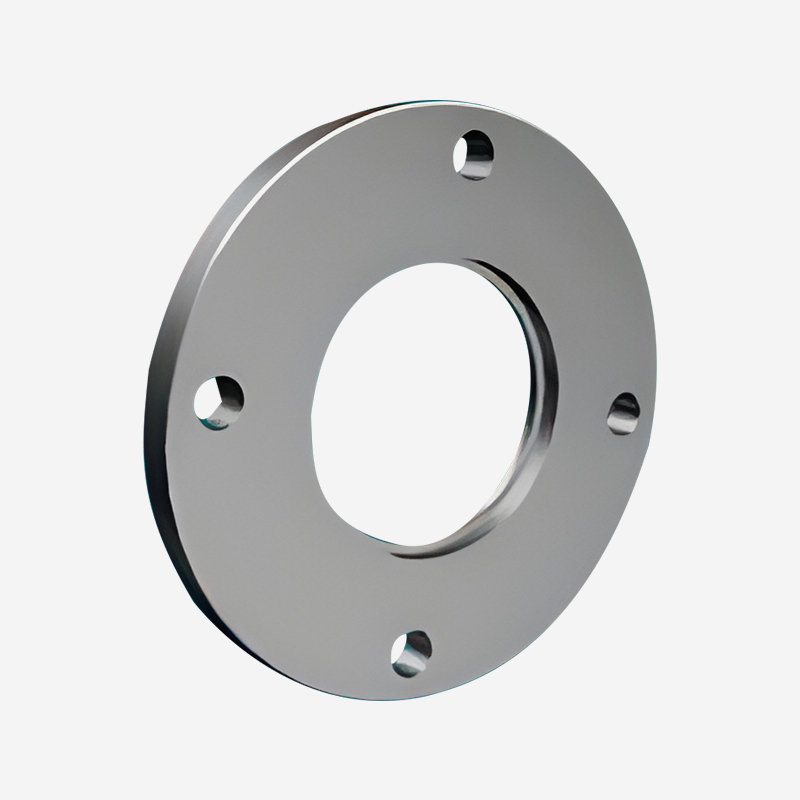
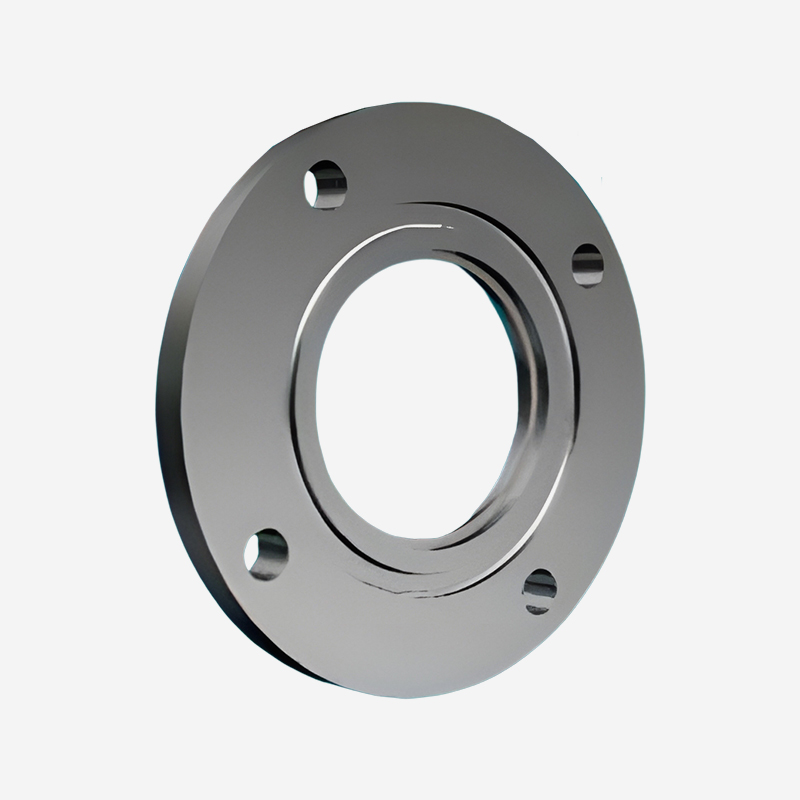
The JIS VG series represents the standard flange type within the JIS B 2290 specification, designed for general vacuum applications requiring reliable sealing and mechanical strength. These flanges are manufactured with a specific groove geometry that accommodates elastomer O‑ring seals, providing leak‑tight performance across a range of pressure conditions. SUNFUN Group's VG series flanges are produced from stainless steel materials, with sealing surfaces machined to the surface finish specifications required by the standard. The VG series serves as the foundational flange type for Japanese Industrial Standard Vacuum Flange applications across multiple industries.
Core Functions and Technical Features
JIS VG series flanges incorporate a groove design that positions the O‑ring seal at a defined depth and width, ensuring consistent compression when the flange connection is assembled. The groove dimensions specified in JIS B 2290 are engineered to provide the correct O‑ring compression for vacuum sealing while accommodating the thermal expansion and contraction that occurs during system operation. The flange face geometry includes a raised sealing surface that concentrates clamping force on the seal area, improving sealing reliability at moderate vacuum levels. Flange diameters range from DN 10 through DN 300, with bolt hole patterns and bolt sizes specified for each nominal diameter.
Surface finish requirements for JIS VG flanges are specified in the standard to ensure reliable sealing with elastomer O‑rings. The sealing face finish typically requires roughness values below 1.6 µm Ra to provide the surface required for effective O‑ring sealing. SUNFUN Group's manufacturing processes, including precision turning and surface finishing, achieve the dimensional accuracy required for JIS VG flange production, maintaining the groove depth and width tolerances necessary for consistent seal compression. These manufacturing practices result in JIS VG‑VF Vacuum Flange components that meet the performance requirements of the standard.
Typical Application Scenarios
SUNFUN Group's JIS VG series flanges are specified in vacuum systems across semiconductor manufacturing, research laboratories, and industrial processing. Semiconductor tools frequently incorporate JIS flanges for connections between process chambers and pumping systems, particularly in equipment designed for the Asian market where JIS standards are commonly specified. Research facilities use VG flanges for experimental vacuum systems, vacuum furnaces, and surface analysis instruments. Industrial vacuum applications—including coating systems, packaging equipment, and degassing systems—use JIS VG flanges for their cost‑effective sealing performance at moderate vacuum levels.
Differentiation from Other Flange Types
JIS VG flanges are distinguished from other flange standards such as KF, ISO, and CF by their specific groove geometry and clamping arrangement. While KF flanges use quick‑release clamps, JIS VG flanges typically employ bolted connections, providing greater clamping force and sealing reliability for larger diameter connections. The groove design differs from ISO flanges, with specific groove dimensions that are not interchangeable with other standards. Compared to CF flanges used for ultra‑high vacuum, JIS VG flanges are designed for elastomer seals and moderate bakeout temperatures, representing a cost‑effective solution for applications that do not require UHV performance. These distinctions make Japanese Industrial Standard Vacuum Flange products the appropriate choice for specific application requirements.
SUNFUN Group's VG Series Manufacturing
SUNFUN Group's VG series flange production applies precision machining capabilities to achieve the dimensional accuracy required by JIS B 2290. Our 0.001‑mm precision machining ensures groove dimensions and flange faces meet specification tolerances. Through our accredited technology enterprise status and national‑level R&D achievements—including projects commissioned by the NDRC, MOST, and MIIT—we maintain quality systems that ensure consistent flange production. Our fully intelligent process management maintains energy consumption within 0.1 % across manufacturing operations.
VG Series Specifications
- Nominal diameters: DN 10 through DN 300
- Sealing method: Elastomer O‑ring in specified groove
- Surface finish: Sealing face Ra ≤ 1.6 µm
- Materials: 304/316L stainless steel standard
- Connection type: Bolted flange with specified bolt pattern
- Bakeout capability: Limited by elastomer seal temperature rating
Product Category 2: JIS VF Series Flanges
Definition and Positioning
The JIS VF series represents a variation within the JIS B 2290 standard, designed for applications requiring different dimensional characteristics or sealing configurations. VF series flanges may incorporate modified groove designs, different flange face geometries, or specific bolt patterns that differentiate them from the standard VG configuration. SUNFUN Group's VF series flanges are manufactured to the same quality standards as VG series products, with dimensions verified against the JIS B 2290 specification to ensure compatibility with other JIS flanged components.
Core Functions and Technical Features
VF series flanges are engineered with specific features that distinguish them from the VG series. These may include different groove dimensions for specific O‑ring cross‑sections, alternative flange face geometries for particular mounting requirements, or variations in the bolt hole configuration to accommodate different clamping arrangements. The VF series retains the fundamental JIS B 2290 design principles—including the groove and raised face sealing geometry—while incorporating modifications that address specific application requirements. Flanges are manufactured from materials compatible with the intended service environment, with surface finishes meeting the same roughness specifications as the VG series.
Quality control for JIS VF flanges includes dimensional verification using calibrated measurement equipment to confirm compliance with JIS B 2290 specifications. Surface finish measurement confirms that the sealing face roughness meets the standard's requirements. SUNFUN Group's manufacturing systems track production quality, maintaining consistency across production runs. These practices ensure that JIS VG‑VF Vacuum Flange components meet the dimensional and performance specifications of the standard.
Typical Application Scenarios
VF series flanges serve the same general applications as VG series flanges—semiconductor manufacturing, research facilities, and industrial vacuum systems. The specific configuration of VF flanges may be specified for particular equipment designs where the groove geometry or connection arrangement of the VG series does not meet application requirements. SUNFUN Group produces both VG and VF series flanges, enabling customers to select the configuration that best meets their installation requirements and performance specifications.
Differentiation from VG Series
The VF series differs from the VG series in specific dimensional or configurational aspects, but both share the same fundamental design principles and are manufactured to the same JIS B 2290 standard requirements. The selection between VG and VF series typically depends on the specific equipment design or the preferred flange configuration for a particular application. SUNFUN Group offers both series to provide our customers with the flexibility to select flanges that meet their specific requirements, supporting their Japanese Industrial Standard Vacuum Flange needs across different equipment types.
SUNFUN Group's VF Series Manufacturing
SUNFUN Group's VF series flange production draws on the same precision manufacturing capabilities that support our entire flange product line. Our in-house institute and talent academy provide technical expertise for specialized flange configurations. Through our open innovation ecosystem, established in partnership with governments, enterprises, universities, and institutions, we maintain awareness of evolving requirements and technical developments. Our accredited technology enterprise status ensures consistent quality across all manufactured products.
VF Series Specifications
- Nominal diameters: As specified in JIS B 2290
- Sealing method: Elastomer O‑ring with VF‑specific groove
- Surface finish: Sealing face Ra ≤ 1.6 µm
- Materials: 304/316L stainless steel standard
- Connection type: Bolted flange with specified bolt pattern
- Variations: Modified groove or face geometry as specified
Product Category 3: JIS B 2290 Adaptor Flanges and Transition Components
Definition and Positioning
Adaptor flanges and transition components enable the connection of JIS B 2290 flanges to vacuum components manufactured to other standards. These components include flanges that combine JIS B 2290 flange faces with KF, ISO, or CF connection types on the opposite side, as well as components that transition between different JIS flange series. SUNFUN Group manufactures these adaptor components to support customers who need to interconnect equipment manufactured to different vacuum flange standards.
Core Functions and Technical Features
Adaptor flanges are manufactured with a JIS B 2290 flange face on one side and a different connection standard on the other, enabling the interconnection of components that would otherwise be incompatible. The mechanical strength and dimensional accuracy of the adaptor are critical for maintaining system integrity and vacuum performance. SUNFUN Group's adaptor flanges are precision‑machined to meet the dimensions of both flange standards, ensuring correct alignment and sealing on each connection. Surface finishes are maintained on both flange faces to the standards required by the applicable specifications for JIS B 2290 Flange connections.
The transition between standards requires careful attention to the seal geometry on each flange face. JIS B 2290 flanges use specific groove dimensions for elastomer seals, while other standards such as KF and ISO may use different groove configurations. SUNFUN Group's adaptor designs address these differences by incorporating the correct seal geometry for each standard, ensuring leak‑tight connections on both sides of the adaptor. This design approach provides customers with reliable interconnection capability between JIS VG‑VF Vacuum Flange systems and other vacuum equipment.
Typical Application Scenarios
Adaptor flanges are used whenever vacuum systems combine equipment manufactured to different flange standards. A semiconductor fab may have process tools with ISO flanges that need to connect to JIS flanged pumping systems. Research facilities frequently need to interconnect equipment from different manufacturers who may have specified different flange standards. Industrial vacuum systems assembled from components sourced from multiple suppliers may require adaptors to connect JIS B 2290 flanges to KF or ISO components. These adaptors enable the integration of Japanese Industrial Standard Vacuum Flange components into systems with other flange standards.
Differentiation from Standard Flanges
Adaptor flanges differ from standard JIS flanges in their dual‑standard design, with one flange face manufactured to JIS B 2290 specifications and the other face to a different standard. The manufacturing of adaptors requires controlling dimensions for two different flange standards while maintaining concentricity and alignment between the two flange faces. This multi‑standard capability distinguishes adaptor flanges from single‑standard flanges, providing the interconnection functionality required for mixed‑standard vacuum systems.
SUNFUN Group's Adaptor Manufacturing
SUNFUN Group manufactures adaptor flanges for multiple standard combinations. Our precision machining capabilities ensure that both flange faces meet the dimensional requirements of their respective standards. Our in-house institute provides engineering support for custom adaptor configurations. Through our open innovation ecosystem, established in partnership with universities and research institutions, we maintain knowledge of vacuum system interconnection requirements across different standards.
Key Specifications Comparison
| Parameter |
VG Series |
VF Series |
Adaptor Flanges |
| Primary function |
Standard JIS vacuum connection |
JIS with modified configuration |
Interface between standards |
| Sealing method |
Elastomer O‑ring in groove |
Elastomer O‑ring in modified groove |
O‑ring on JIS side; appropriate seal for other standard |
| Surface finish requirement |
Ra ≤ 1.6 µm |
Ra ≤ 1.6 µm |
Meets requirements of both standards |
| Diameter range |
DN 10 – DN 300 |
As specified |
Depends on standard combination |
| Connection type |
Bolted flange |
Bolted flange |
Bolted flanges on both sides |
The JIS B 2290 standard provides comprehensive specifications for vacuum flanges used across semiconductor, research, and industrial applications. SUNFUN Group manufactures the full range of JIS vacuum flange types, including VG series, VF series, and adaptor configurations, applying precision machining and quality assurance processes developed over four decades of experience. Our capabilities in 0.001‑mm precision machining, surface finishing, and quality control ensure that our JIS flanges meet the dimensional and performance specifications of the standard. Through our accredited technology enterprise status—demonstrated by completion of national‑level R&D tasks and projects commissioned by the NDRC, MOST, and MIIT—we maintain the technical expertise required for flange production across multiple standards. SUNFUN Group's commitment to intelligent and sustainable industrial development supports continuous improvement in our flange manufacturing processes, delivering reliable vacuum connections for our customers.
Frequently Asked Questions
Q1: What is the difference between JIS VG and VF series flanges?
The VG series represents the standard JIS B 2290 flange configuration with the specified groove geometry and face dimensions. The VF series includes variations within the standard—such as modified groove dimensions or different face geometries—that address specific application requirements. Both series are manufactured to JIS B 2290 specifications and are interchangeable with other JIS VG‑VF Vacuum Flange components of the same nominal diameter.
Q2: What sealing materials are used with JIS B 2290 flanges?
JIS B 2290 flanges are designed for use with elastomer O‑ring seals. Common O‑ring materials include NBR for general applications, FKM for higher temperature or chemical resistance, and silicone for specific temperature requirements. The JIS standard specifies the groove dimensions required for O‑ring installation, ensuring consistent seal compression and vacuum performance for Japanese Industrial Standard Vacuum Flange connections.
Q3: Are JIS B 2290 flanges interchangeable with other flange standards?
JIS B 2290 flanges are not directly interchangeable with KF, ISO, or CF flange standards—each uses different dimensions, sealing geometries, and clamping arrangements. However, adaptor flanges can connect JIS B 2290 flanges to other standard flange types, enabling system integration while maintaining vacuum performance for JIS B 2290 Flange connections.
Q4: What quality controls apply to SUNFUN Group's JIS flange manufacturing?
SUNFUN Group applies dimensional verification using calibrated measurement equipment, surface finish measurement to confirm sealing face roughness, material certification, and visual inspection to all JIS flange production. Our accredited technology enterprise status supports comprehensive quality systems for all JIS VG‑VF Vacuum Flange products.


 English
 日本語
日本語
 عربى
عربى
 中文简体
中文简体