

 English
 日本語
日本語
 عربى
عربى
 中文简体
中文简体


High Vacuum and Ultra-High Vacuum General Semiconductor Vacuum Chambers
Meeting HV and UHV standards, these chambers are rigorously helium leak-tested to ensure ultra-low l...

Content
Coating lines, semiconductor process tools, and research instruments all slow down or fail when vacuum pressure drifts. In many cases, the source is not the pump but a worn seal, an undersized flange, or a material with an unexpectedly high outgassing rate. High vacuum equipment is not a single product. It is a connected system of pumps, chambers, valves, piping, and components that must work together to reach and hold pressures between 10-5 and 10-1 Pa. Understanding how these parts fit together is the first step to avoiding costly downtime.
High vacuum equipment refers to the integrated components that create and maintain a pressure range of roughly 10-5 to 10-1 Pa. Below that, systems move into ultra-high vacuum territory, where different materials, seals, and procedures become mandatory.
The IUPAC classification is the most useful way to orient the terminology.
| Vacuum Level | Pressure Range | Typical Applications |
|---|---|---|
| Rough Vacuum | 103 to 105 Pa | Filtration, packaging, drying |
| Medium Vacuum | 10-1 to 103 Pa | Degassing, distillation |
| High Vacuum | 10-5 to 10-1 Pa | Coating, electron microscopy, semiconductor processing |
| Ultra-High Vacuum | 10-9 to 10-5 Pa | Surface analysis, molecular beam epitaxy, particle accelerators |
| Extreme High Vacuum | Below 10-9 Pa | Advanced physics research |
At high vacuum, gas molecules travel in straight lines before hitting a wall, which makes techniques like physical vapor deposition and electron microscopy possible. At ultra-high vacuum, the gas density is so low that even a single monolayer of contaminants on a substrate can ruin an experiment. Pressure in the high vacuum range is typically measured with a Pirani gauge or a cold cathode gauge, while hot cathode ionization gauges are used for ultra-high vacuum measurement.
Any reliable high vacuum system depends on five core components: pumps, chambers, valves, flanges and piping, and accessories. Selecting them together as a system matters more than optimizing one part in isolation.
Pump selection is usually driven by the required ultimate pressure and the volume of gas that must be moved. Mechanical rotary vane pumps are common as roughing pumps, while oil diffusion pumps can deliver high throughput in coating applications. The DPM16 high vacuum oil diffusion pump is an example of a compact diffusion pump designed for industrial coating and metallurgical processes.
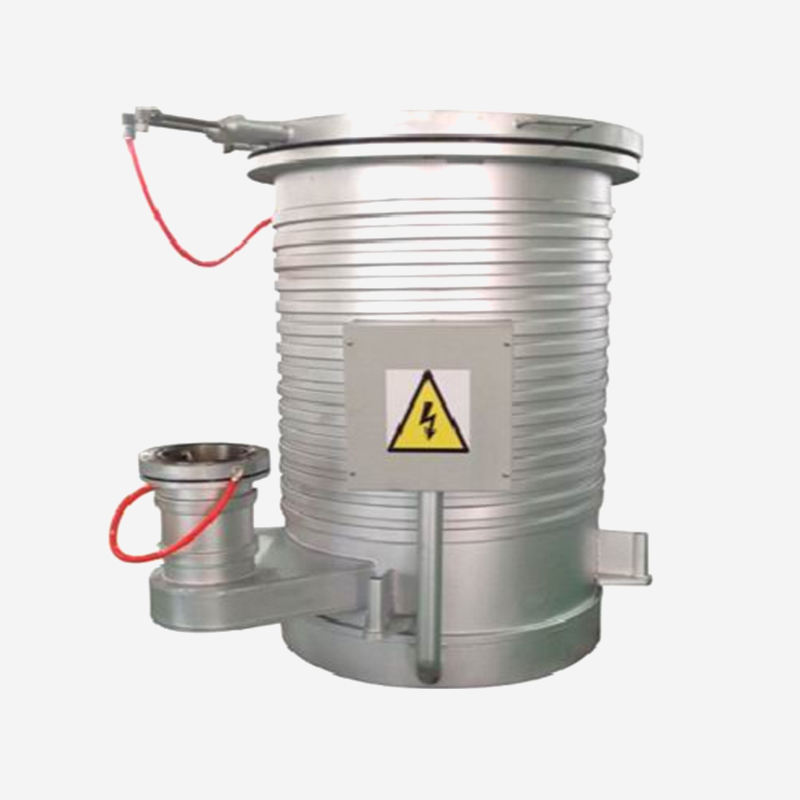 DPM-16 High Vacuum Oil Diffusion Pump for Coating and MetallurgyThis compact diffusion pump suits industrial coating and metallurgical processes, offering high throughput and a critical back pressure that fits roughing pump setups.View Product →
| Pump Type | Ultimate Pressure | Maintenance | Best Fit |
|---|---|---|---|
| Oil diffusion pump | 10-6 Pa | Oil replacement every 1-2 years | High throughput coating |
| Turbomolecular pump | 10-8 Pa | Bearing replacement | Semiconductor and research |
| Mechanical rotary vane | 10-1 Pa | Oil and vane inspection | Roughing and backing |
The chamber itself determines how much outgassing and virtual leak risk you inherit. A high vacuum and ultra-high vacuum semiconductor chamber is built with low-outgassing stainless steel or aluminum, and often includes surface treatments, viewports, and sealed feedthroughs that match the process environment. For high vacuum tasks, aluminum is a good weight-saving option; for ultra-high vacuum and hydrogen-sensitive processes, 304 or 316L stainless steel is the safer default.
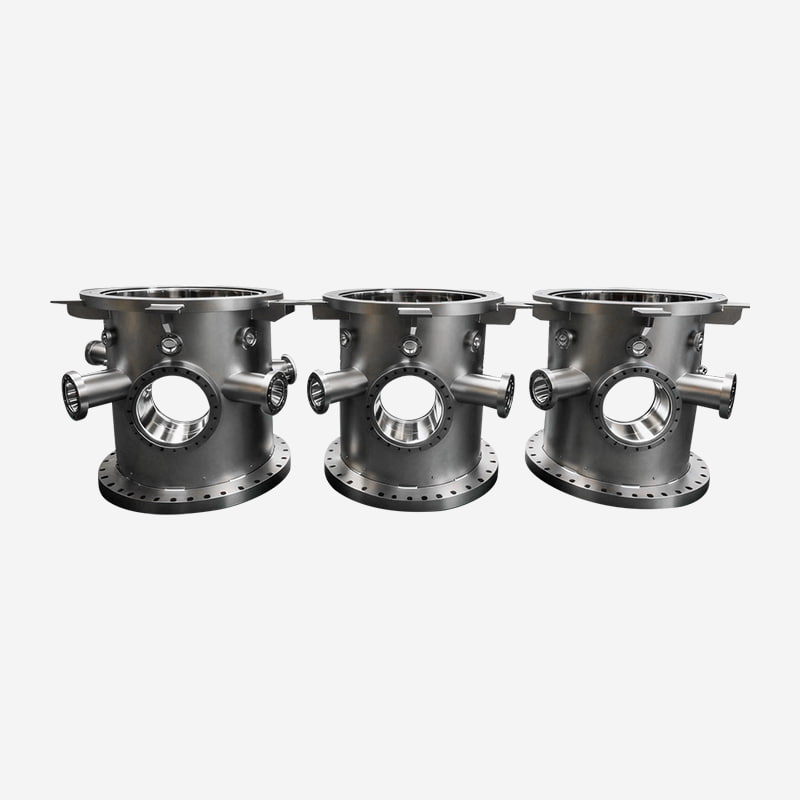 High Vacuum and Ultra-High Vacuum Semiconductor Vacuum ChambersBuilt from low-outgassing stainless or aluminum, these helium-leak-tested chambers are ideal for HV/UHV processes, reducing virtual leak risks in demanding applications.View Product →
Valves control gas flow and isolate different sections. The main choices are angle valves, gate valves, butterfly valves, and all-metal valves. Flange standards are equally important because they determine interchangeability and sealing method. KF is common for high vacuum, CF for ultra-high vacuum, and ISO for larger lines. Elastomer O-rings suit KF and ISO flange systems, while copper gaskets are standard for CF flanges. Accessories such as viewports, electrodes, and magnetically coupled feedthroughs extend what you can do inside the chamber.
Choose the components by working pressure first, then by pump speed, outgassing behavior, seal type, and cost. Solve the pressure requirement before you optimize any other variable.
Flanges and chambers are only as good as their machined surfaces. Seal faces must be flat, free of scratches, and within the tight tolerances that the flange standard expects. This is exactly where how precision machined parts are manufactured determines whether an O-ring can seal reliably or will leak as the system cycles.
The most concentrated demand for high vacuum equipment comes from semiconductor manufacturing, optical coating, and scientific research.
PVD, CVD, PECVD, and ALD processes all rely on high vacuum to control film composition and uniformity. In the photovoltaic segment, sputtering and evaporation systems coat transparent conductive oxides and metal layers on silicon cells or flexible substrates.
Optical devices require precisely controlled film thickness, which is difficult to achieve above 10-1 Pa. Dielectric coatings, anti-reflective layers, and hard coatings are produced by electron beam evaporation or magnetron sputtering in high vacuum.
Surface analysis, electron microscopy, and molecular beam epitaxy all demand ultra-high vacuum. A clear viewport can help monitor sample status during an experiment. A KF flange tempered glass viewport is a practical, cost-effective choice for high vacuum chambers that need process visibility without compromising seal quality.
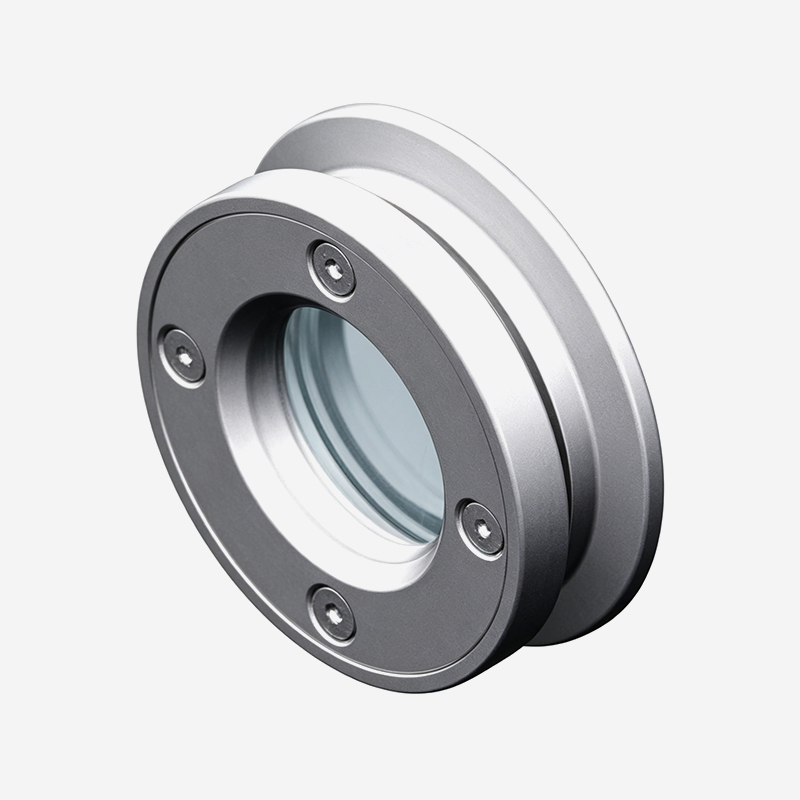 KF Flange Tempered Glass Viewport for Process VisibilityA practical tempered glass viewport with SUS304 frame and Viton O-ring, sealing to 1×10⁻⁹ mbar·L/s for monitoring samples in high vacuum chambers.View Product →
Most high vacuum failures can be traced to leaks, outgassing, or contaminated seals. A structured maintenance schedule separates a stable system from one that suffers intermittent pressure spikes.
A helium leak detector is the fastest way to locate leaks. Start at the sealing surfaces, then move to welded joints and feedthroughs. When no helium enters under normal conditions, check for virtual leaks from trapped volumes inside the chamber.
Baking out a stainless steel system at 150-250°C for 12-24 hours can reduce the outgassing rate by orders of magnitude. The exact temperature depends on the seals. KF O-rings usually limit the bake-out temperature to around 150°C, while CF metal seals tolerate 250°C and more.
Replace O-rings when they lose elasticity, show cracks, or leave compression set. Copper gaskets are single-use. Oil diffusion pumps need oil changes every 1-2 years, and the mechanical backing pump oil must be checked more often. Air leaks from worn vane oil seals also cause pump performance to drop well before a major failure appears.
If a high vacuum system does not reach its target pressure, start by isolating the pump. A slow pump-down curve usually points to a leak or a contaminated seal, while a flat curve suggests the pump itself is underperforming.
High vacuum typically covers 10-5 to 10-1 Pa. Ultra-high vacuum covers 10-9 to 10-5 Pa. UHV systems require stricter surface preparation, metal seals, and bake-out capability. The practical switch is usually driven by the process, not by preference.
Inspect elastomer O-rings every 6 months and replace them every 12-24 months. Viton O-rings are more resistant to heat and chemicals than NBR. Copper gaskets in CF flanges are one-time use parts.
Yes. Aluminum offers lower weight and good thermal conductivity. After surface treatment, it can reach a low outgassing rate. For ultra-high vacuum and hydrogen-sensitive processes, stainless steel is still the preferred material.
Longer pump-down time, elevated ultimate pressure, oil discoloration, and unusual noise or vibration are the most common indicators. Check the pump curves against the measured performance to confirm the diagnosis.
High vacuum equipment is a systems engineering challenge. Matching the chamber, pump, valve, flange, and seal to the target pressure and process environment will determine whether your equipment runs smoothly or demands constant troubleshooting. When the geometry and surface precision of flanges and chambers are controlled, the whole system becomes easier to maintain and far less likely to fail during a critical production run.
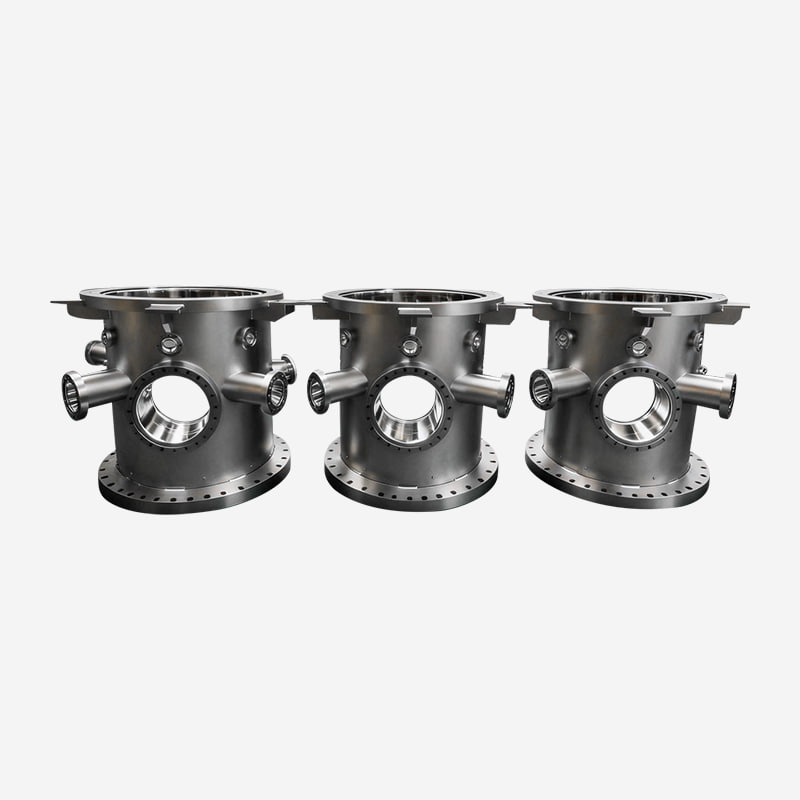
Meeting HV and UHV standards, these chambers are rigorously helium leak-tested to ensure ultra-low l...
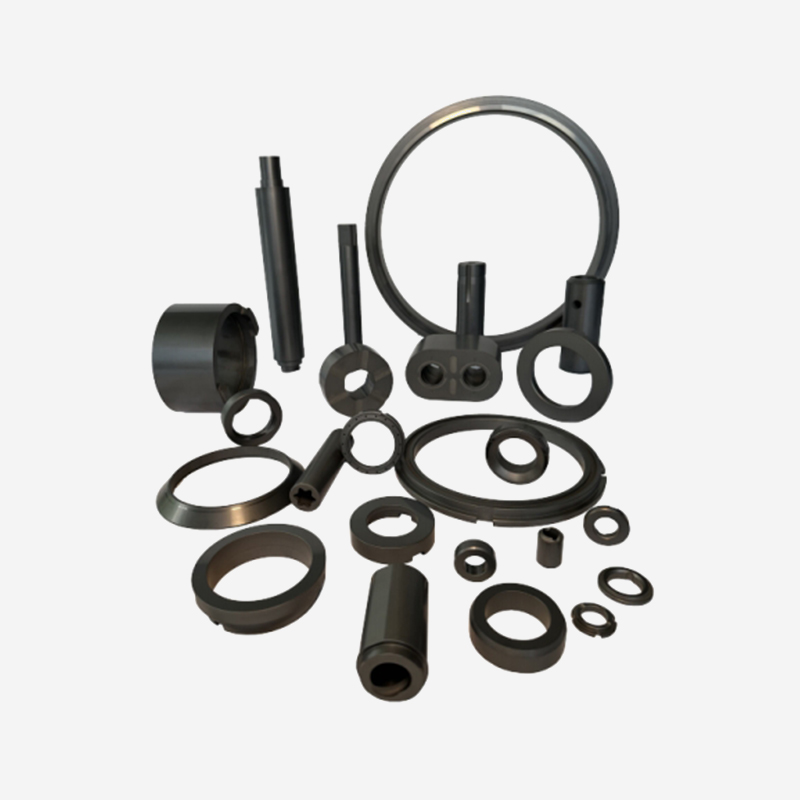
Silicon carbide materials have extremely high hardness and strength, excellent wear resistance and a...
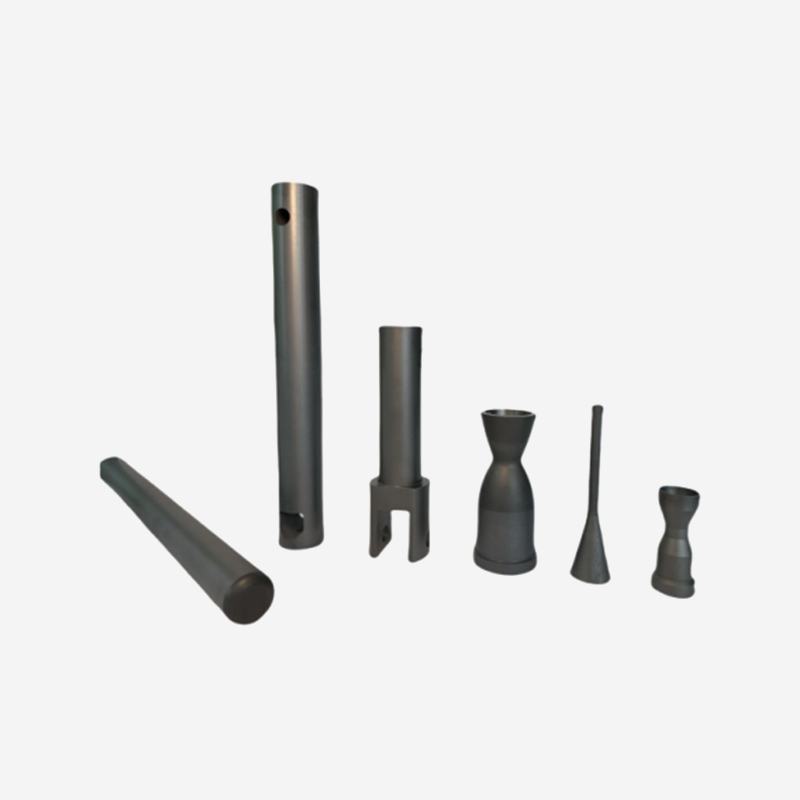
For the most demanding high-temperature applications, sintered silicon carbide outperforms most meta...
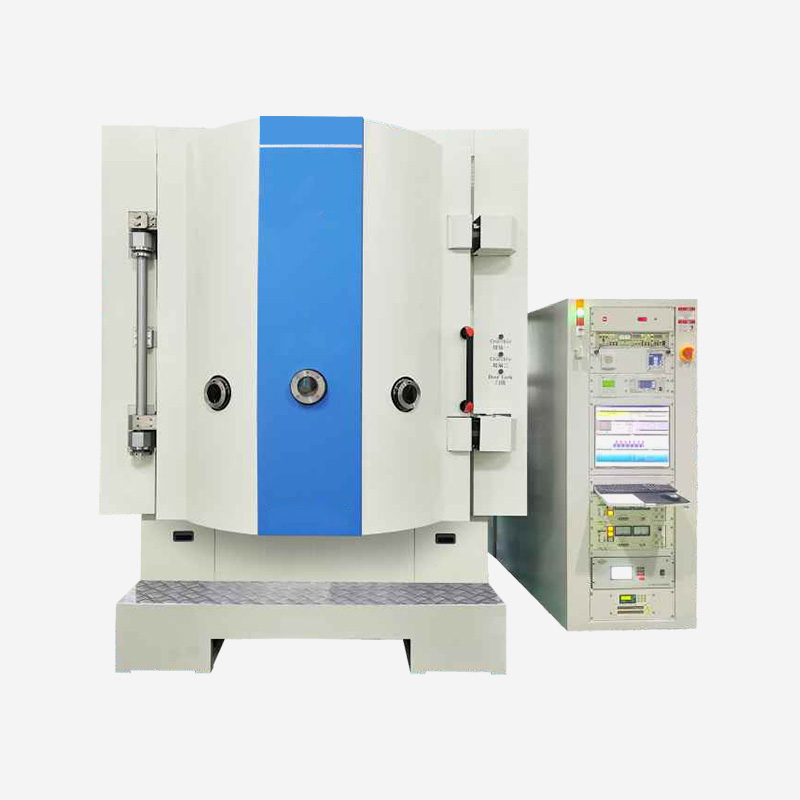
This series of equipment is equipped with automatic optical film thickness control, optional RF/Kauf...
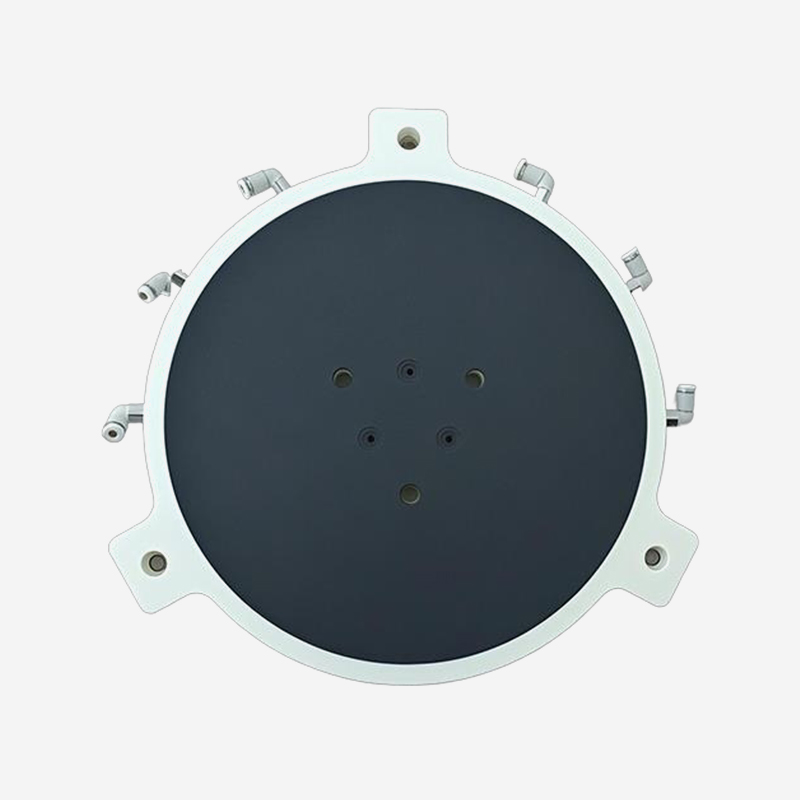
Product Features High cleanliness: Ceramic material, no metal ion contamination, smooth surface (Ra≤...
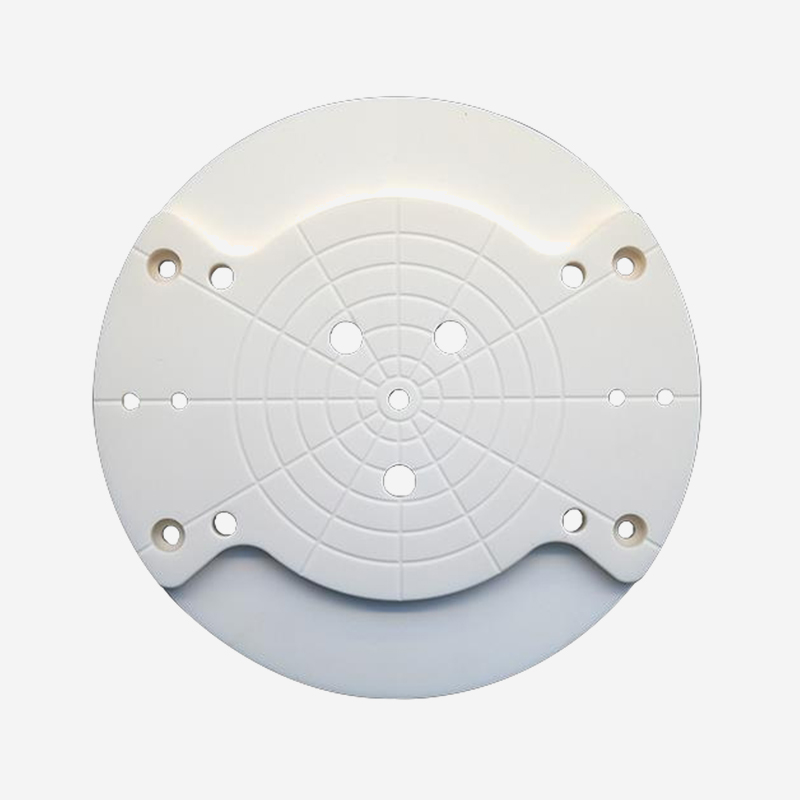
Product Features Clean and precise: Smooth surface (not easy to scratch the workpiece), uniform and ...
Ready to Innovate Together? Contact Our Experts.

Contact Us
Address: 288 Shande Road, Shanyang Town, Jinshan District, Shanghai, China TEL/WhatsApp:Mobile terminal