What are the key differences between HJT and TOPCON solar cell manufacturing equipment?
The key differences between HJT (heterojunction) and TOPCON (tunnel oxide passivated contact) solar cell manufacturing equipment lie in the deposition technologies, process sequences, thermal requirements, and precision control needed for each cell architecture. HJT equipment is built around low‑temperature processes (below 200 °C) using plasma‑enhanced chemical vapour deposition (PECVD) for amorphous silicon layers, while TOPCON equipment requires high‑temperature processes (around 900 °C) using thermal oxidation and chemical vapour deposition (CVD) for tunnel oxide and poly‑silicon layers. SUNFUN Group has been manufacturing precision components for photovoltaic equipment since 1986, applying 0.001‑mm precision machining to support both HJT and TOPCON solar cell production lines.
Product Category 1: HJT (Heterojunction) Solar Cell Equipment
Definition and Positioning
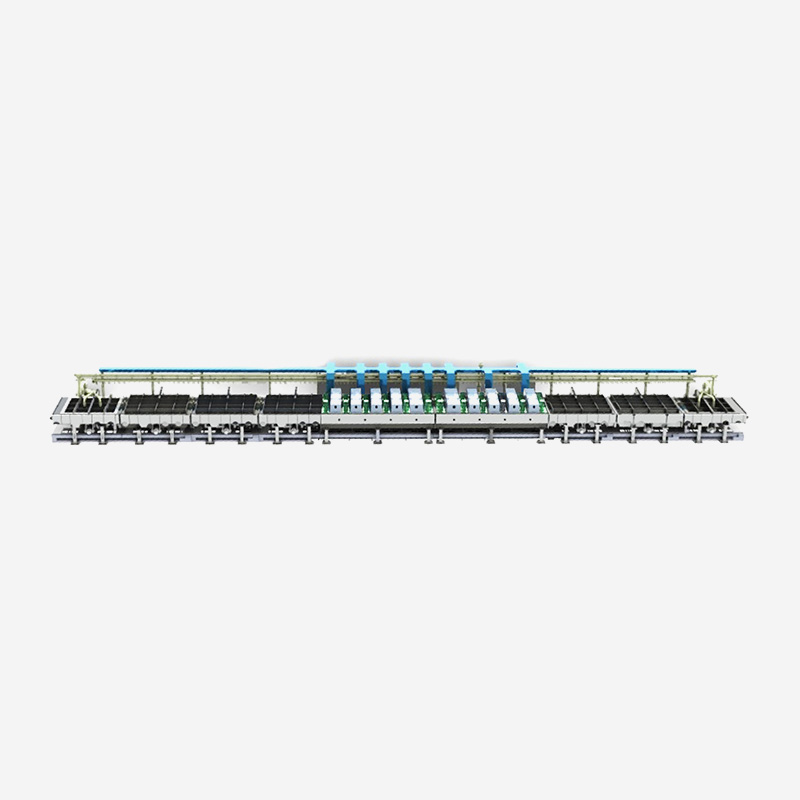
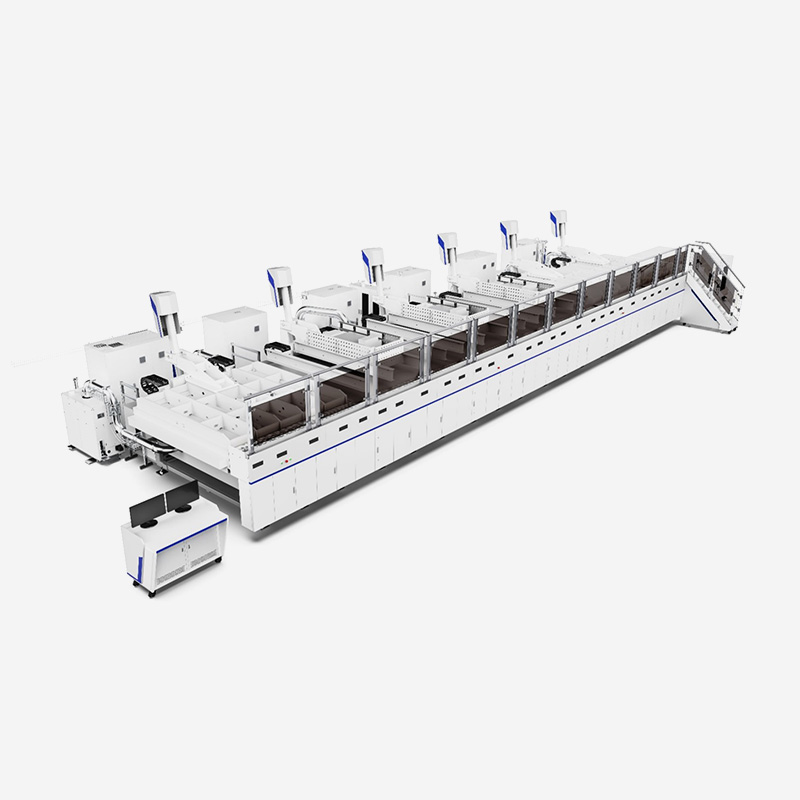
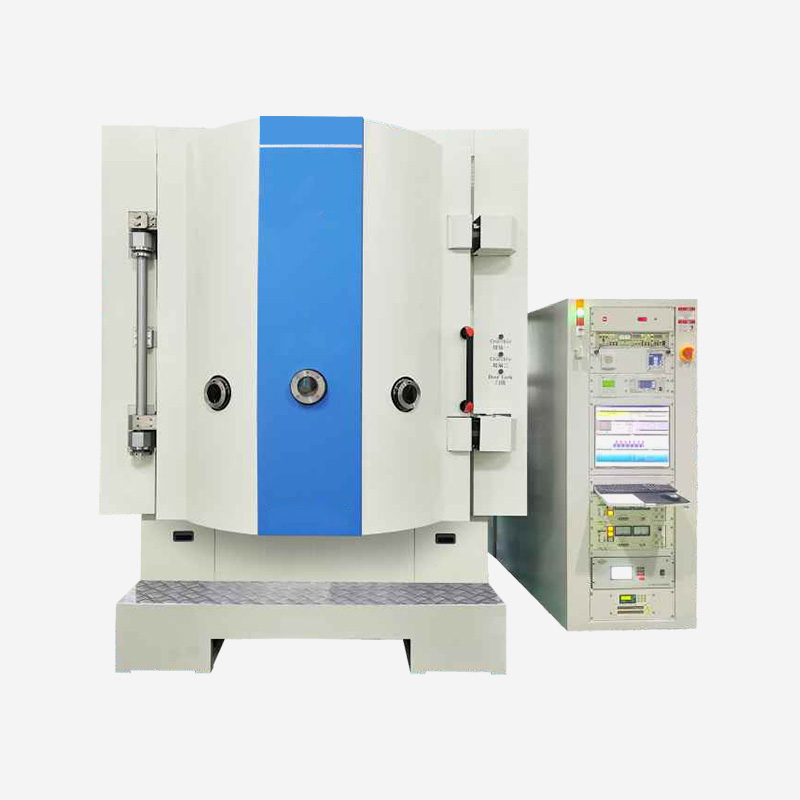
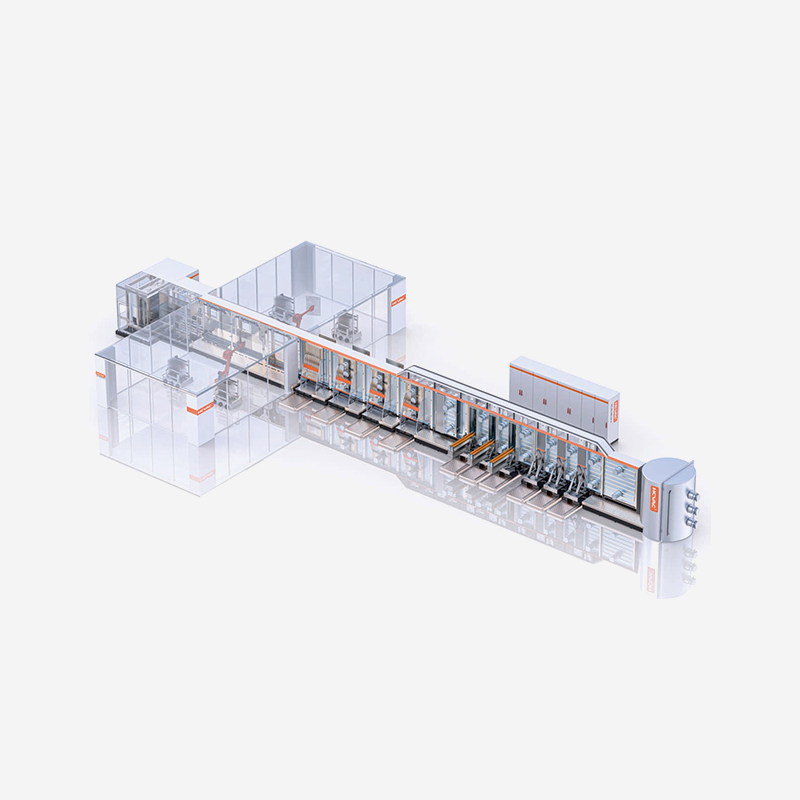
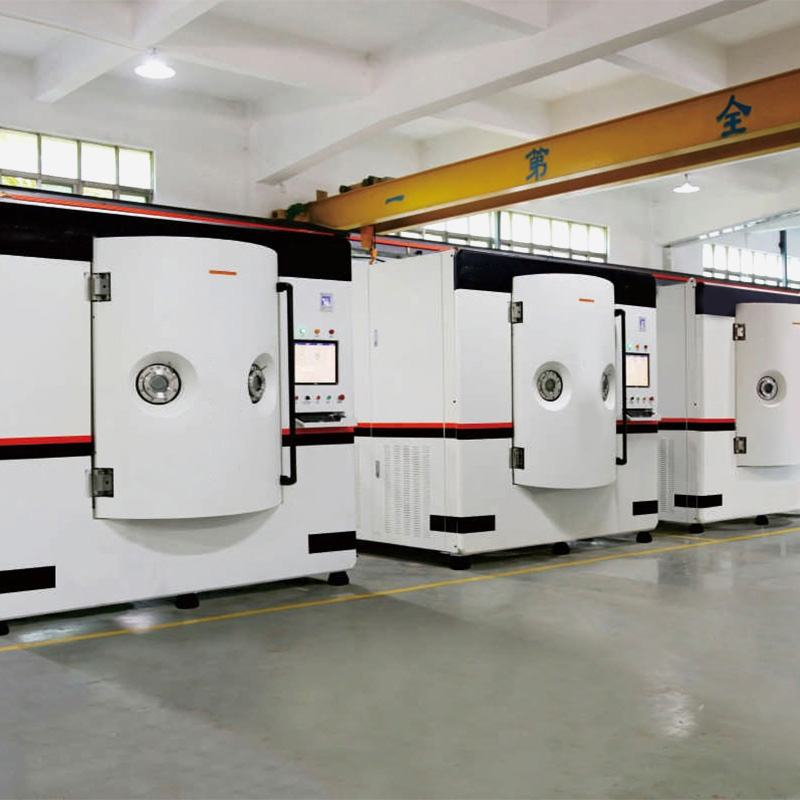
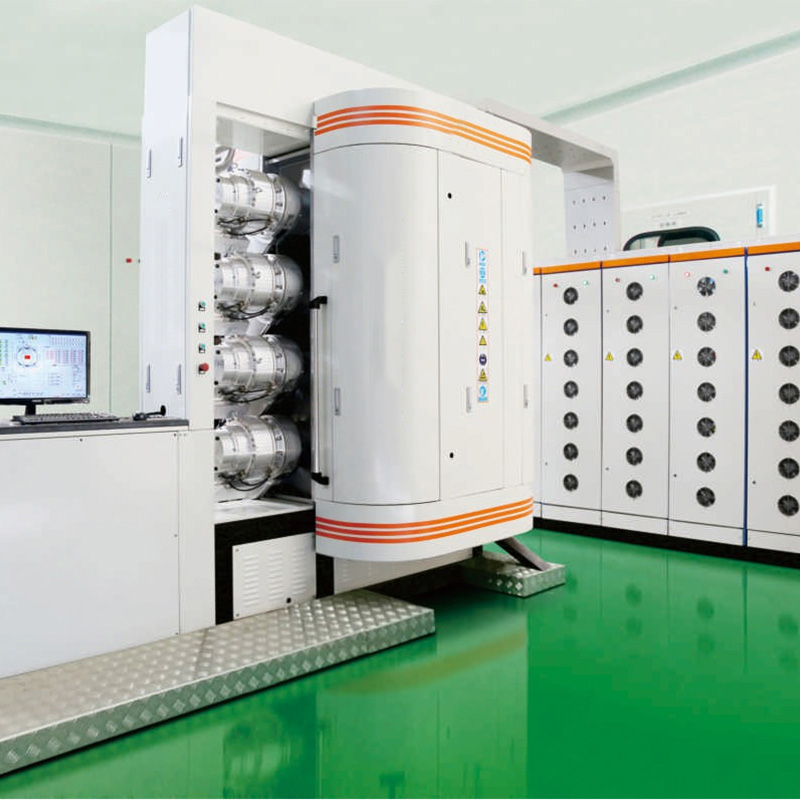
HJT solar cell manufacturing equipment is designed for the production of heterojunction solar cells, which combine crystalline silicon with thin amorphous silicon layers to achieve high efficiency with low thermal budgets. This equipment includes PECVD systems for depositing amorphous silicon layers, physical vapour deposition (PVD) or sputtering systems for transparent conductive oxide (TCO) deposition, and associated handling and automation systems. SUNFUN Group manufactures precision components for HJT equipment—including susceptors, gas distribution components, and vacuum system parts—that support the demanding requirements of low‑temperature, high‑precision deposition. As solar photovoltaic equipment, HJT systems are essential for achieving the highest cell efficiencies.
Core Functions and Technical Features
HJT equipment functions through multi‑stage deposition processes that build the cell structure on silicon wafers. The process begins with wafer cleaning and texturing, followed by PECVD deposition of intrinsic and doped amorphous silicon layers on both wafer surfaces. PVD or sputtering systems then deposit TCO layers that provide electrical conductivity and anti‑reflection properties. The deposition processes operate at temperatures below 200 °C, preserving the bulk silicon quality and enabling the use of thin wafers.
The design of HJT equipment emphasises process precision, low‑temperature operation, and high throughput. PECVD systems must achieve uniform amorphous silicon deposition across large wafer areas with precise doping control. Sputtering systems require stable plasma conditions and uniform TCO deposition. SUNFUN Group's precision components are manufactured with tolerances that support consistent cell fabrication. These HJT/TOPCON solar cell equipment components are essential for achieving high cell efficiency with HJT architecture.
Typical Application Scenarios
HJT equipment is used in manufacturing facilities producing high‑efficiency solar cells. The HJT architecture is particularly suited for applications requiring high efficiency, such as utility‑scale solar installations and premium residential systems.
Differentiation from TOPCON Equipment
HJT equipment is distinguished from TOPCON equipment by its low‑temperature deposition processes and the type of passivation layers deposited. HJT uses amorphous silicon passivation with PECVD, while TOPCON uses thermal oxide and poly‑silicon passivation requiring high‑temperature furnaces.
SUNFUN Group's Manufacturing Capabilities
SUNFUN Group's HJT equipment component production applies precision machining and quality control appropriate for photovoltaic applications. Our 0.001‑mm precision machining ensures that susceptors and gas distribution components meet dimensional requirements for consistent film deposition. Through our open innovation ecosystem, established in partnership with governments, enterprises, universities, and institutions, we maintain knowledge of evolving HJT manufacturing requirements for deposition films processing equipment.
HJT Equipment Specifications
- Process temperature: < 200 °C
- Deposition methods: PECVD, sputtering
- Wafer size: M6, M10, G12
- Throughput: 4,000‑8,000 wafers/hour
- Efficiency: 24‑26 % (typical)
- Key process: Amorphous silicon deposition
Product Category 2: TOPCON Solar Cell Equipment
Definition and Positioning
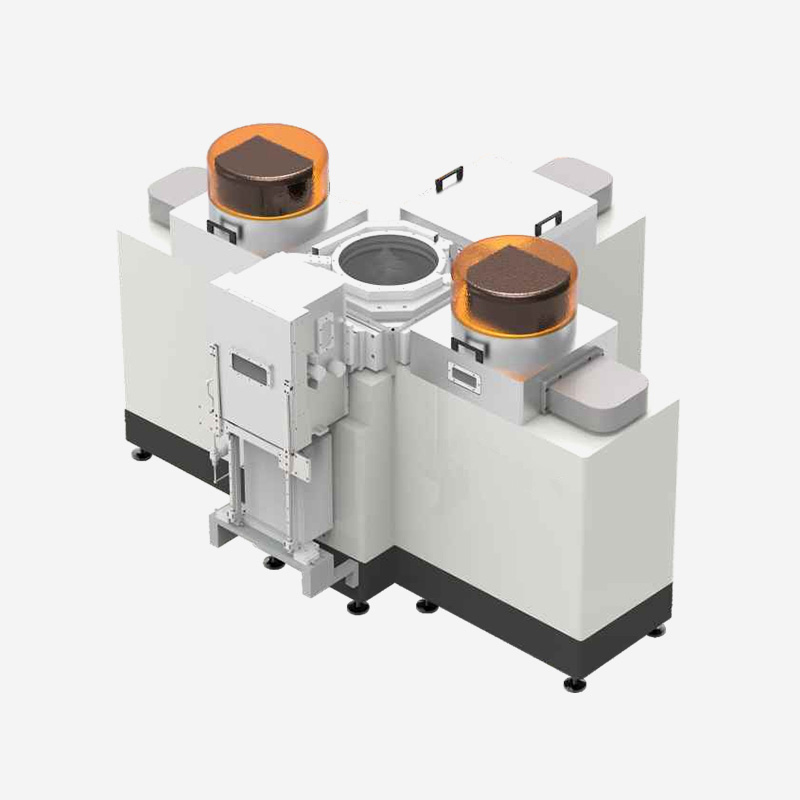
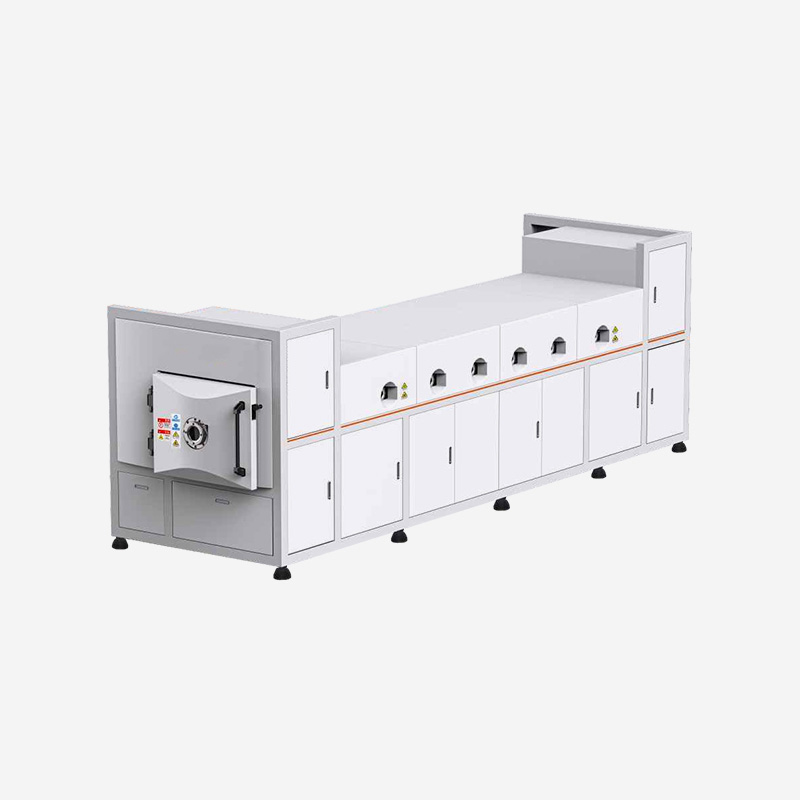
TOPCON solar cell manufacturing equipment is designed for the production of tunnel oxide passivated contact solar cells, which use a thin silicon oxide layer and doped poly‑silicon layer to achieve passivation and carrier selectivity. This equipment includes thermal oxidation furnaces, low‑pressure chemical vapour deposition (LPCVD) or plasma‑enhanced chemical vapour deposition (PECVD) systems, high‑temperature diffusion furnaces, and associated handling systems. SUNFUN Group manufactures precision components for TOPCON equipment—including quartz tubes, wafer carriers, and high‑temperature support structures—that withstand the extreme thermal conditions of TOPCON processing. These solar photovoltaic equipment components support the demanding requirements of high‑temperature cell fabrication.
Core Functions and Technical Features
TOPCON equipment functions through a process sequence that includes high‑temperature steps for oxide formation and poly‑silicon deposition. Thermal oxidation furnaces grow the tunnel oxide layer (1‑2 nm) at temperatures around 900 °C. LPCVD or PECVD systems deposit poly‑silicon layers on both wafer surfaces. High‑temperature diffusion furnaces activate dopants and drive them into the poly‑silicon layers. The thermal budget is significantly higher than HJT processes, requiring equipment designed for stable high‑temperature operation.
The design of TOPCON equipment emphasises temperature uniformity, process control, and thermal cycling capability. Furnaces must maintain uniform temperature profiles across large wafer loads. Deposition systems must achieve uniform poly‑silicon deposition with precise thickness control. SUNFUN Group's precision components are manufactured from materials and with tolerances that support consistent cell fabrication. These new energy equipment components are essential for achieving high cell efficiency with TOPCON architecture.
Typical Application Scenarios
TOPCON equipment is used in manufacturing facilities producing high‑efficiency solar cells with established process technologies. TOPCON is particularly suited for applications requiring high efficiency with proven manufacturing processes, such as large‑scale utility projects.
Differentiation from HJT Equipment
TOPCON equipment is distinguished from HJT equipment by its high‑temperature processes, thermal oxidation furnaces, and poly‑silicon deposition systems. TOPCON processes operate at 900 °C compared to HJT processes below 200 °C, requiring different equipment designs and materials.
SUNFUN Group's Manufacturing Capabilities
SUNFUN Group's TOPCON equipment component production applies precision machining and quality control appropriate for high‑temperature photovoltaic applications. Our in‑house institute and talent academy provide technical expertise in component design for high‑temperature processing. Our accredited technology enterprise status—demonstrated through national‑level R&D tasks and projects commissioned by the NDRC, MOST, and MIIT—supports quality systems for HJT/TOPCON solar cell equipment.
TOPCON Equipment Specifications
- Process temperature: Up to 900 °C
- Deposition methods: LPCVD, PECVD
- Wafer size: M6, M10, G12
- Throughput: 4,000‑8,000 wafers/hour
- Efficiency: 23‑25 % (typical)
- Key process: Tunnel oxide + poly‑silicon
Product Category 3: Equipment Components and Process Support Systems
Definition and Positioning
Equipment components and process support systems—including wafer handling, automation, gas delivery, and vacuum systems—are essential for both HJT and TOPCON manufacturing lines. These components enable the high throughput, precision, and reliability required for cost‑effective solar cell production. SUNFUN Group manufactures precision components for photovoltaic process support systems, applying precision machining to produce parts that meet the demanding requirements of high‑volume manufacturing. These solar photovoltaic equipment components are essential for efficient cell production.
Core Functions and Technical Features
Process support systems function by enabling the automated, controlled operation of HJT and TOPCON manufacturing lines. Wafer handling systems—including robots, conveyors, and alignment stages—move wafers between process steps with precision and cleanliness. Gas delivery systems supply process gases with accurate flow control. Vacuum systems maintain the pressure conditions required for deposition processes. The reliability and precision of these support systems directly affect cell yield and manufacturing cost.
The design of support systems emphasises reliability, maintainability, and compatibility with the specific process requirements of HJT or TOPCON manufacturing. SUNFUN Group's components are manufactured with the precision required for consistent system operation. These CdTe coating equipment and low‑E film for glass deposition equipment components support efficient cell production across both cell architectures.
Typical Application Scenarios
Process support systems are used in all solar cell manufacturing facilities, regardless of the specific cell architecture. Both HJT and TOPCON production lines require automated handling, gas delivery, and vacuum systems for efficient operation.
Differentiation from Process Equipment
Process support systems are distinguished from process equipment by their enabling function—they enable the process steps rather than performing the primary deposition or thermal processing. However, support systems are equally critical for achieving high yield and throughput.
SUNFUN Group's Manufacturing Capabilities
SUNFUN Group manufactures precision components for photovoltaic process support systems, supporting both HJT and TOPCON manufacturing. Through our open innovation ecosystem, we maintain knowledge of evolving PV manufacturing requirements for deposition films processing equipment.
Key Specifications Comparison
| Parameter |
HJT Equipment |
TOPCON Equipment |
Support Systems |
| Process temperature |
< 200 °C |
Up to 900 °C |
Ambient |
| Primary deposition |
PECVD, sputtering |
LPCVD, thermal oxidation |
N/A |
| Key process |
Amorphous silicon |
Tunnel oxide + poly‑silicon |
Handling, gas, vacuum |
| Equipment complexity |
High |
Moderate |
Moderate |
| Capital cost |
Higher |
Moderate |
Moderate |
The key differences between HJT and TOPCON solar cell manufacturing equipment lie in their process temperatures, deposition methods, and layer structures—HJT uses low‑temperature PECVD for amorphous silicon, while TOPCON uses high‑temperature furnaces for tunnel oxide and poly‑silicon. SUNFUN Group manufactures precision components for both HJT and TOPCON equipment, applying precision machining and quality control developed over four decades of experience. Our 0.001‑mm precision machining ensures that photovoltaic equipment components meet dimensional requirements for consistent cell fabrication. Through our in‑house institute, talent academy, and open innovation ecosystem—established in partnership with governments, enterprises, universities, and institutions—SUNFUN Group maintains the technical expertise required for new energy equipment that supports the manufacturing of high‑efficiency solar cells.
Frequently Asked Questions
Q1: Which technology—HJT or TOPCON—has higher cell efficiency?
HJT typically achieves slightly higher laboratory efficiencies (26‑27 %) compared to TOPCON (25‑26 %), but both technologies are commercially viable for high‑efficiency solar cells. The efficiency advantage of HJT must be weighed against its higher equipment cost. Solar photovoltaic equipment selection depends on the specific manufacturing strategy and market positioning.
Q2: Why does HJT equipment operate at lower temperatures than TOPCON?
HJT uses amorphous silicon layers that degrade at temperatures above 200 °C, requiring low‑temperature processing. TOPCON uses crystalline silicon layers that require high‑temperature processing to form the tunnel oxide and poly‑silicon structures. HJT/TOPCON solar cell equipment must be designed for the specific temperature requirements of each technology.
Q3: Which equipment type is more complex to operate?
HJT equipment is generally considered more complex due to the precise PECVD deposition of amorphous silicon layers, requiring tighter process control and more sophisticated automation. TOPCON equipment is more complex in thermal management and handling of high‑temperature processes. New energy equipment for both technologies requires skilled operation and maintenance.
Q4: What quality controls apply to SUNFUN Group's photovoltaic equipment component manufacturing?
SUNFUN Group applies material certification, dimensional verification, surface finish measurement, and cleanliness inspection to all photovoltaic equipment component production. Our accredited technology enterprise status supports comprehensive quality systems for deposition films processing equipment, ensuring consistent component quality and reliable processing performance.


 English
 日本語
日本語
 عربى
عربى
 中文简体
中文简体