What are the best polishing materials for achieving a 1nm surface finish on optical glass?
Achieving a 1nm surface finish on optical glass requires a combination of precision polishing consumables that work together in a carefully controlled process. The best materials include cerium oxide slurries with controlled particle size distributions, polyurethane or pitch polishing pads with specific hardness characteristics, and deionized water with precise pH control. The selection and integration of these materials determine the achievable surface quality, with the final 1nm finish requiring optimization of abrasive particle size, polishing pressure, speed, and process duration. SUNFUN Group has been supplying precision polishing consumables since 1986, applying our understanding of precision manufacturing to support customers achieving the most demanding surface finish requirements.
Product Category 1: Cerium Oxide Polishing Slurries
Definition and Positioning
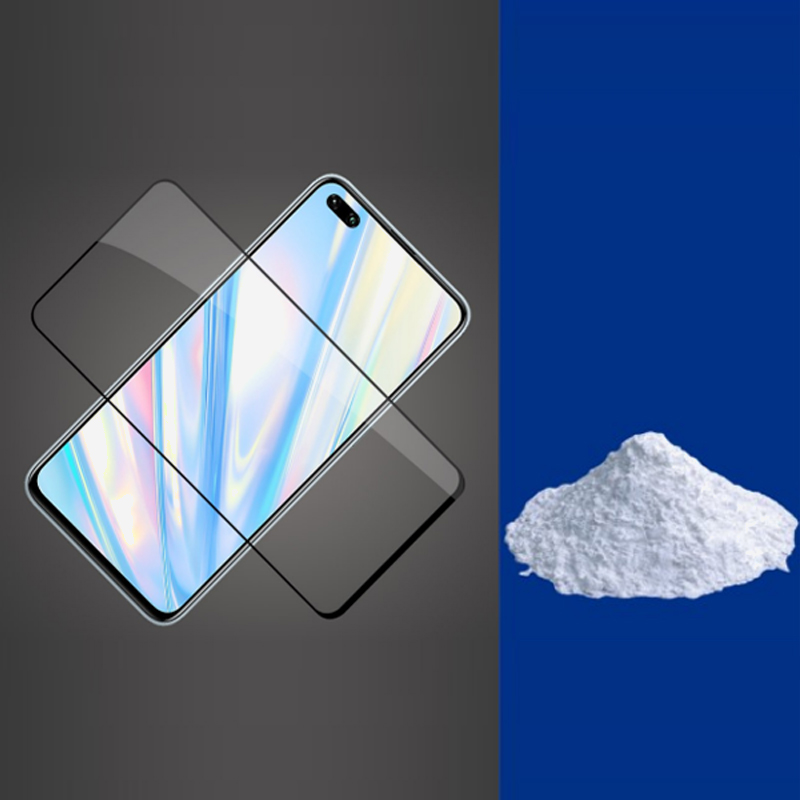
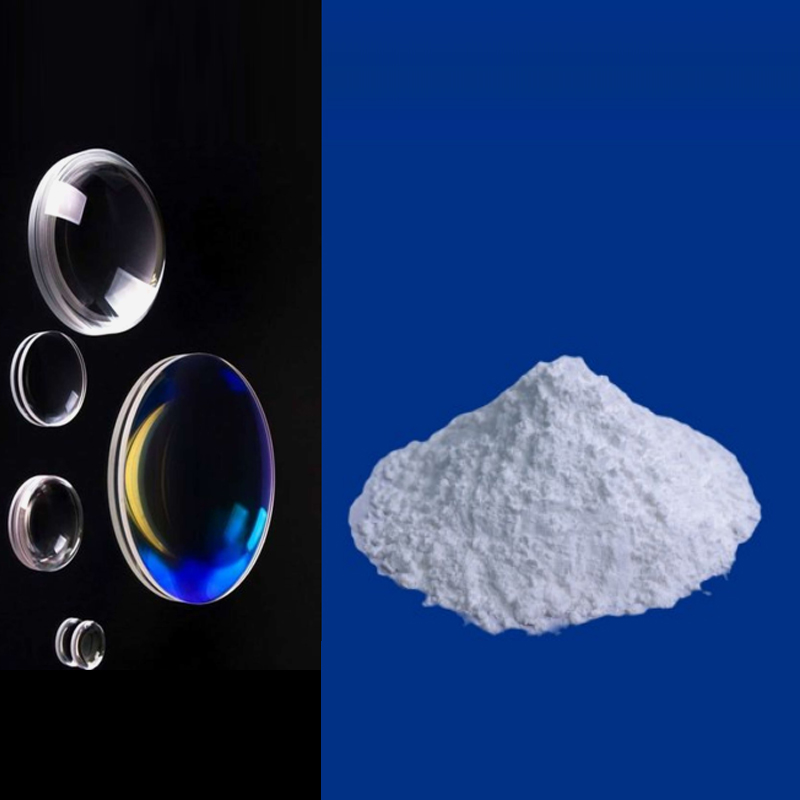
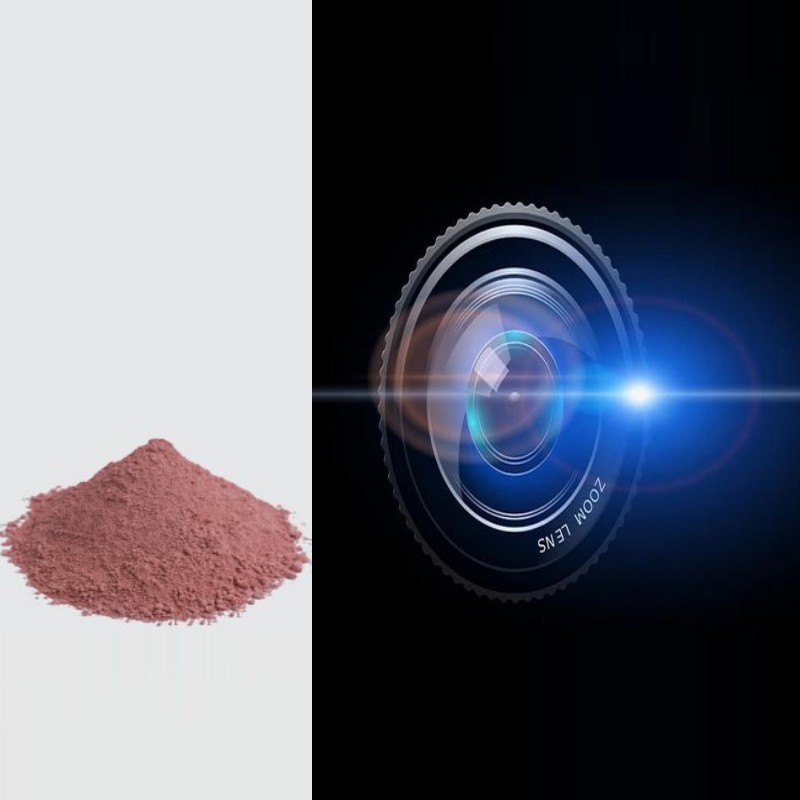
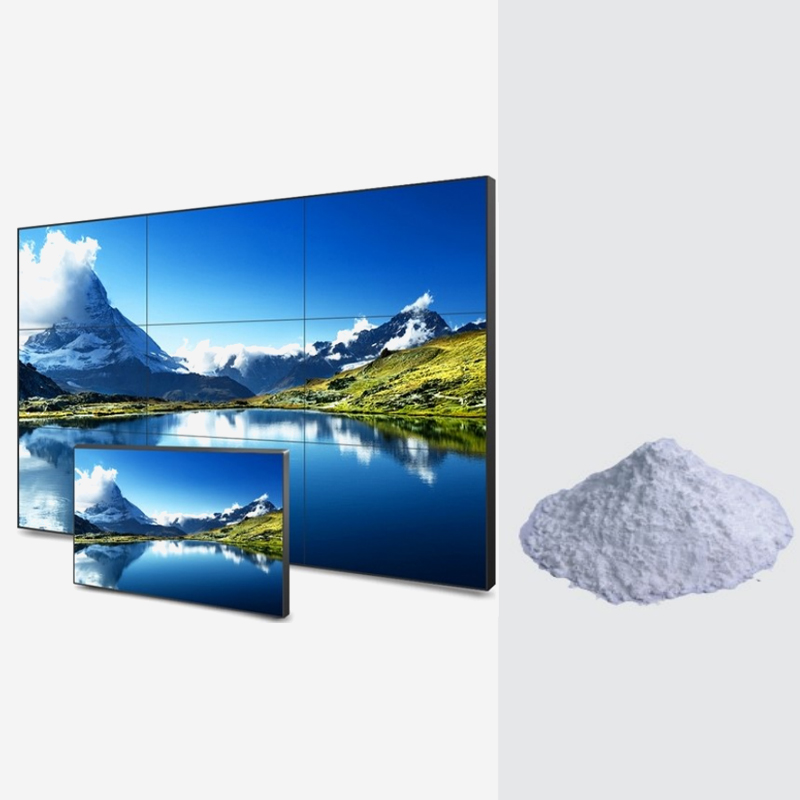
Cerium oxide polishing slurries are the primary abrasive material used for precision polishing of optical glass, silicon wafers, and other precision surfaces. These slurries consist of cerium oxide particles suspended in a liquid carrier, with the particle size and concentration determining the material removal rate and surface finish achieved. SUNFUN Group supplies cerium oxide polishing slurries in various particle size distributions—from coarse grades for stock removal to ultra‑fine grades for final finishing. As precision polishing consumables, cerium oxide slurries are essential for achieving atomic‑scale surface finishes.
Core Functions and Technical Features
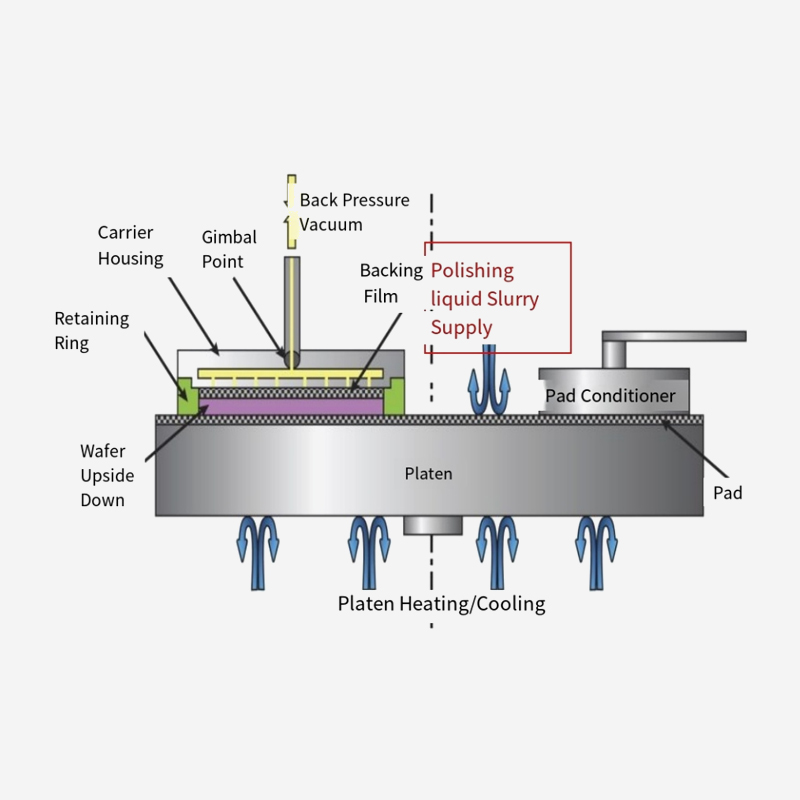
Cerium oxide polishing slurries function through a chemical‑mechanical polishing mechanism—the cerium oxide particles react with the glass surface, forming a softened layer that is then mechanically removed by the abrasive action. This combination of chemical and mechanical action enables efficient material removal with minimal subsurface damage, essential for achieving the high surface quality required for optical applications. The particle size distribution determines the surface roughness achievable—smaller particles produce smoother surfaces but with slower removal rates.
For 1nm surface finish applications, cerium oxide slurries with particle sizes in the 20‑50 nm range are typically required. These ultra‑fine particles provide the gentle removal action needed to achieve atomic‑level smoothness without introducing scratches or subsurface damage. The slurry must be carefully controlled for concentration, pH, and temperature to maintain consistent polishing performance. SUNFUN Group's glass polishing materials are manufactured with controlled particle size distributions and consistent quality, supporting the repeatability required for high‑precision optical polishing.
Typical Application Scenarios
Cerium oxide polishing slurries are used in precision optical manufacturing for polishing lenses, windows, mirrors, and other optical components requiring atomic‑level surface finishes. Semiconductor applications use cerium oxide slurries for silicon wafer polishing. Precision glass manufacturing uses cerium oxide for achieving the surface quality required for advanced optical systems.
Differentiation from Other Abrasives
Cerium oxide is distinguished from other polishing abrasives by its chemical‑mechanical polishing mechanism, which enables higher removal rates with minimal subsurface damage compared to purely mechanical abrasives. Cerium oxide provides superior surface quality on glass compared to alumina or colloidal silica.
SUNFUN Group's Manufacturing Capabilities
SUNFUN Group's cerium oxide slurry production applies quality control appropriate for precision polishing applications. Our 0.001‑mm precision machining background informs our understanding of the surface quality requirements for precision components. Through our open innovation ecosystem, established in partnership with governments, enterprises, universities, and institutions, we maintain knowledge of evolving polishing requirements for optical precision polishing materials.
Cerium Oxide Slurry Specifications
- Particle size: 20‑50 nm (ultra‑fine)
- Concentration: 5‑20 % solids
- pH range: 6‑8 (optimized for glass)
- Median particle size: 30‑40 nm
- Purity: ≥ 99.9 %
- Application: Final polishing for 1nm finish
Product Category 2: Polishing Pads and Fabric Materials
Definition and Positioning
Polishing pads and fabric materials provide the mechanical support and slurry distribution for precision polishing processes. The pad material—typically polyurethane, pitch, or woven fabric—must provide consistent contact with the workpiece surface while distributing slurry uniformly across the polishing area. SUNFUN Group supplies polishing pads with specific hardness and porosity characteristics optimized for different polishing applications. These precision polishing consumables are critical for achieving the surface quality required for 1nm finish optical components.
Core Functions and Technical Features
Polishing pads function by providing the mechanical interface between the polishing machine and the workpiece, with the pad properties determining the polishing process characteristics. The pad hardness affects the pressure distribution across the workpiece surface—harder pads produce more aggressive polishing action, while softer pads provide more conformable contact. The pad porosity controls slurry retention and distribution, with open‑pore pads providing better slurry flow but potentially rougher finishes.
For 1nm surface finish applications, soft polyurethane pads with fine pore structures are typically preferred, providing gentle polishing action with excellent slurry distribution. Pitch pads are also used for critical optical finishing, offering extremely fine surface quality through their viscoelastic properties. SUNFUN Group's glass polishing materials include pad selections optimized for the specific glass type and surface finish requirement.
Typical Application Scenarios
Polishing pads are used in all precision glass polishing applications—including optical manufacturing, precision glass component fabrication, and semiconductor substrate polishing. The pad selection depends on the glass type, polishing slurry, and required surface quality.
Differentiation from Other Pad Types
Precision polishing pads are distinguished from standard polishing pads by their controlled hardness, porosity, and surface characteristics. Precision pads provide the consistency required for achieving atomic‑level surface finishes in critical optical applications.
SUNFUN Group's Manufacturing Capabilities
SUNFUN Group supplies polishing pads with controlled characteristics appropriate for precision optical polishing. Our in‑house institute and talent academy provide technical expertise in polishing process development. Our accredited technology enterprise status—demonstrated through national‑level R&D tasks and projects commissioned by the NDRC, MOST, and MIIT—supports quality systems for optical precision polishing materials.
Pad Specifications
- Material: Polyurethane, pitch, fabric
- Hardness: Shore A 50‑90
- Porosity: Controlled for slurry retention
- Surface: Grooved or smooth for slurry distribution
- Thickness: 0.5‑3 mm
- Application: Final polishing
Product Category 3: Polishing Process Fluids and Additives
Definition and Positioning
Polishing process fluids and additives—including deionized water, pH buffers, and surfactants—are essential for achieving 1nm surface finish by controlling the chemical environment of the polishing process. These fluids maintain stable pH, control slurry dispersion, and help remove reaction products from the polishing interface. SUNFUN Group supplies process fluids and additives optimized for precision glass polishing applications. These precision polishing consumables are critical for achieving consistent, high‑quality surface finishes in optical polishing.
Core Functions and Technical Features
Polishing process fluids function by providing the liquid medium for slurry transport, maintaining stable chemical conditions, and facilitating removal of polishing byproducts. Deionized water provides the carrier fluid with controlled conductivity. pH buffers maintain stable acidity or alkalinity conditions for the chemical‑mechanical polishing reaction. Surfactants help disperse the abrasive particles and improve slurry wetting on the workpiece surface. The precise control of these fluid properties is essential for achieving 1nm surface finish.
The design of polishing fluid systems addresses the requirements of precision optical polishing—including stable pH control, low contaminant levels, and consistent slurry rheology. SUNFUN Group's glass polishing materials include fluid systems optimized for the specific glass type and polishing requirement.
Typical Application Scenarios
Polishing process fluids and additives are used in all precision glass polishing applications, supporting the slurry performance and process stability required for high‑quality surface finishes.
Differentiation from Standard Fluids
Precision polishing fluids are distinguished from standard fluids by their controlled purity, consistent pH, and optimized additive content for specific polishing applications.
SUNFUN Group's Manufacturing Capabilities
SUNFUN Group supplies polishing fluids and additives with controlled purity and composition appropriate for precision glass polishing. Through our open innovation ecosystem, we maintain knowledge of evolving polishing requirements for optical precision polishing materials.
Key Specifications Comparison
| Parameter |
Cerium Oxide |
Polishing Pads |
Process Fluids |
| Primary function |
Abrasive removal |
Slurry distribution |
Chemical control |
| Critical property |
Particle size distribution |
Hardness, porosity |
pH, purity |
| Typical value range |
20‑50 nm |
Shore A 50‑90 |
pH 6‑8, 18 MΩ·cm |
| Replacement frequency |
Per batch |
200‑500 parts |
Continuous |
| Key quality measure |
Particle size distribution |
Hardness, surface condition |
Conductivity, pH |
The best polishing materials for achieving a 1nm surface finish on optical glass are cerium oxide slurries with particle sizes in the 20‑50 nm range, soft polyurethane or pitch polishing pads with controlled hardness and porosity, and deionized water with precise pH control. SUNFUN Group supplies complete precision polishing consumable solutions—including cerium oxide slurries, polishing pads, and process fluids—applying our understanding of precision manufacturing developed over four decades of experience. Through our in‑house institute, talent academy, and open innovation ecosystem—established in partnership with governments, enterprises, universities, and institutions—SUNFUN Group maintains the technical expertise required for precision polishing consumables that deliver the atomic‑level surface finishes demanded by advanced optical applications.
Frequently Asked Questions
Q1: What is the role of cerium oxide in achieving 1nm surface finish?
Cerium oxide provides the chemical‑mechanical polishing action required to achieve 1nm surface finish on glass. The cerium oxide particles react with the glass surface to form a softened layer that is then mechanically removed, enabling atomically smooth surfaces without subsurface damage. Precision polishing consumables incorporating cerium oxide are essential for achieving the highest quality optical surfaces.
Q2: What particle size is required for 1nm surface finish?
For 1nm surface finish, cerium oxide particles in the 20‑50 nm range are typically required. Smaller particles produce smoother surfaces but with slower removal rates—the particle size must be optimized for the specific application and glass type. Glass polishing materials with controlled particle size distributions are essential for achieving 1nm finish.
Q3: How does pad selection affect surface finish?
Pad selection affects surface finish through its effect on pressure distribution and slurry flow. Soft pads provide more conformable contact for smoother finishes, while harder pads are used for higher removal rates. Optical precision polishing materials include pad selections optimized for different glass types and surface finish requirements.
Q4: What quality controls apply to SUNFUN Group's polishing consumable manufacturing?
SUNFUN Group applies material certification, particle size analysis, hardness measurement, and purity verification to all polishing consumable production. Our accredited technology enterprise status supports comprehensive quality systems for precision polishing consumables, ensuring consistent material quality and reliable polishing performance.


 English
 日本語
日本語
 عربى
عربى
 中文简体
中文简体