
 English
 日本語
日本語
 عربى
عربى
 中文简体
中文简体


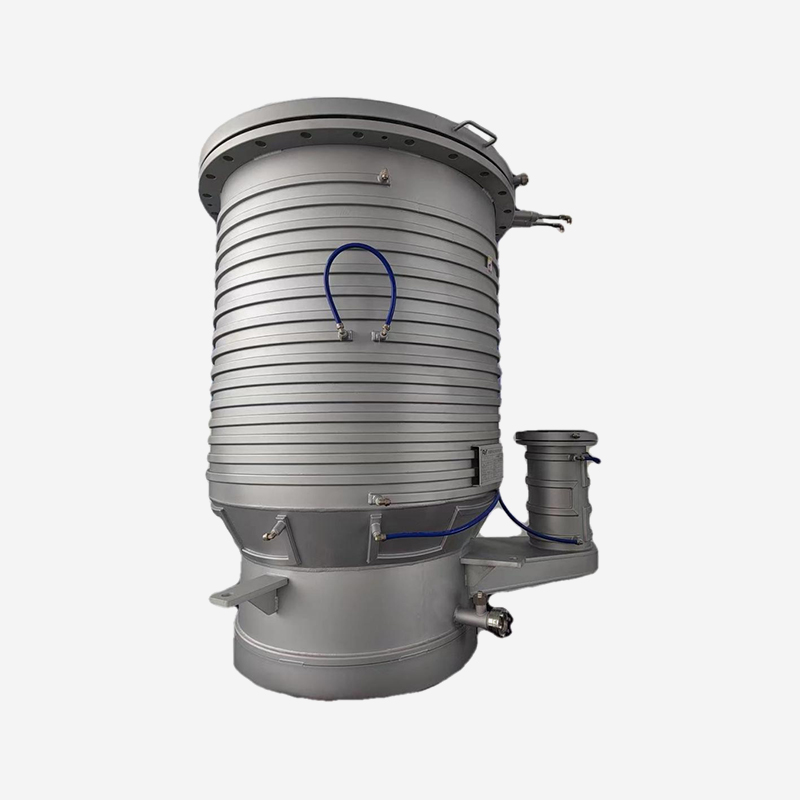
Third-Generation Semiconductor Single Crystal Growth Furnace
Specifically designed for SiC and GaN crystal growth, providing exceptional thermal field stability ...

Content
A medical device manufacturer in Minnesota awarded a production contract to a CNC shop based solely on the lowest quote. Six weeks later, 40 percent of the delivered parts failed inspection, the production timeline slipped by three weeks, and the engineering team spent over 80 hours reworking components. The root cause was not a single machining error—it was a systematic failure in supplier qualification that could have been avoided with a structured evaluation process.
Choosing a reliable CNC machining manufacturer is one of the most consequential decisions a product development team can make. The right partner brings technical expertise, production stability, and cost efficiency. The wrong partner introduces quality risk, delivery uncertainty, and hidden costs that far outweigh any initial price advantage. This guide provides a practical framework for evaluating CNC machining suppliers, based on decades of industry experience and real-world performance metrics.
The first and most tangible criterion is the manufacturer's technical capability. This extends beyond simply owning CNC machines—it is about having the right equipment for your specific part geometry, material, and tolerance requirements. A reliable shop should offer a balanced mix of 3-axis, 4-axis, and 5-axis machining centers, along with turning centers equipped with live tooling. Multi-axis capability reduces setup changes, improves accuracy, and enables complex geometries that would otherwise require multiple operations.
Equipment age and condition are equally important. A shop running 20-year-old machines may struggle with the thermal stability and spindle accuracy required for modern tolerances. Look for manufacturers who invest in new equipment every three to five years and can demonstrate their machine maintenance protocols. Top-tier shops now employ in-process probing and tool condition monitoring, which catch dimensional deviations before they become scrap.
Machine capability by axis type
Percentages represent the proportion of CNC machining shops offering each capability. Exact figures vary by region and industry segment.
A reliable CNC machining manufacturer treats quality as a system, not an afterthought. ISO 9001 and AS9100 certifications are baseline indicators, but the real test is how the shop implements these standards in daily operations. Look for comprehensive inspection protocols that include first-article inspection, in-process sampling, and final dimensional verification using coordinate measuring machines or optical measurement systems.
Statistical process control is another hallmark of a mature quality culture. Shops that track Cp and Cpk values for critical features demonstrate that they understand both capability and consistency. Request capability studies on similar parts they have produced—this data reveals more about their true performance than any certificate ever could.
Quality performance by certification level
Quality performance metric based on first-pass yield. Higher certification levels correlate with more rigorous quality systems and better process control.
Not all metals machine the same way, and a shop that excels in aluminum may struggle with titanium or Inconel. The best manufacturers develop deep expertise in specific material families—they understand cutting speeds, tool coatings, and coolant strategies that maximize productivity while maintaining quality. This knowledge reduces trial and error on your parts and accelerates the production ramp-up.
Supply chain integration is equally important. Shops that maintain strong relationships with certified material suppliers can offer competitive pricing and shorter lead times. Some even carry common alloys in stock, eliminating procurement delays. When evaluating a manufacturer, ask about their material sourcing process and how they verify incoming material certifications. For complex assemblies, consider shops that offer value-added services such as heat treatment, surface finishing, or assembly. A single-source provider reduces coordination overhead and quality risk.
High machinability materials
Low machinability materials
Material capability radar
A prototype supplier is not always the right production partner. As your volumes grow, you need a shop that can scale from hundreds to thousands of parts without compromising quality. This requires not only machine capacity but also skilled labor, tooling inventory, and robust process documentation. Assess whether the manufacturer has the physical space, equipment, and workforce to accommodate your projected volume increases over the next two to three years.
Lead time reliability is a key differentiator. Request on-time delivery statistics—a good shop will have metrics at 95 percent or higher. But dig deeper: do they deliver on the agreed date, or do they routinely ship early to inflate their numbers? Consistency is more valuable than speed. Shops that use enterprise resource planning systems to track jobs in real time can provide accurate status updates and early warnings about potential delays.
Price is important, but the lowest quote is rarely the best value. Reliable manufacturers provide transparent cost breakdowns that separate material, machining, finishing, and overhead. This transparency allows you to identify cost drivers and make informed decisions about design changes or material substitutions. A detailed quote also helps you compare apples-to-apples across multiple suppliers.
Beware of shops that offer vague quotes or resist providing detailed breakdowns. These manufacturers often add hidden costs later in the project, such as setup fees, inspection charges, or packaging costs that were not included in the initial quotation. A trustworthy partner will work with you to optimize costs through design-for-manufacturing feedback, suggesting tolerances that can be relaxed or features that can be simplified without affecting functionality.
A technically perfect shop can still fail if communication breaks down. Responsiveness during the quoting phase is a strong indicator of how the manufacturer will treat you once production begins. Do they answer technical questions clearly? Do they offer design feedback that improves manufacturability? These interactions reveal their commitment to partnership rather than simply transaction.
Cultural alignment matters as well. Shops that share your values around quality, safety, and continuous improvement are easier to work with over the long term. Consider visiting the facility if possible—the state of the shop floor, the attitude of the operators, and the cleanliness of the work environment speak volumes about management priorities. A manufacturer that invests in training, maintains a low turnover rate, and encourages employee feedback is typically more reliable and innovative.
| Evaluation criterion | What to look for | Red flags |
| Technical capability | Multi-axis machines, probing, modern controls | Outdated equipment, limited axis count |
| Quality systems | ISO/AS certification, CMM inspection, SPC data | No certification, vague quality processes |
| Material expertise | Proven experience with your material family | Reluctance to share case studies |
| Scalability | Capacity for volume ramp, documented processes | Overcapacity, high operator turnover |
| Cost transparency | Detailed breakdown, DFM feedback | Vague quotes, hidden fees |
| Communication | Responsive, clear, proactive updates | Slow response, evasive answers |
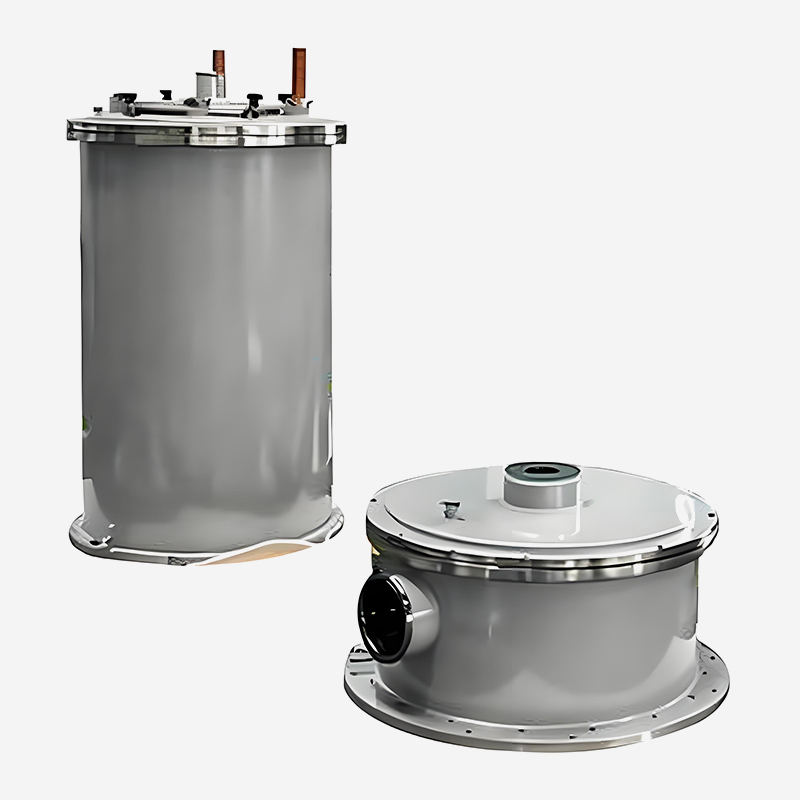
Specifically designed for SiC and GaN crystal growth, providing exceptional thermal field stability ...
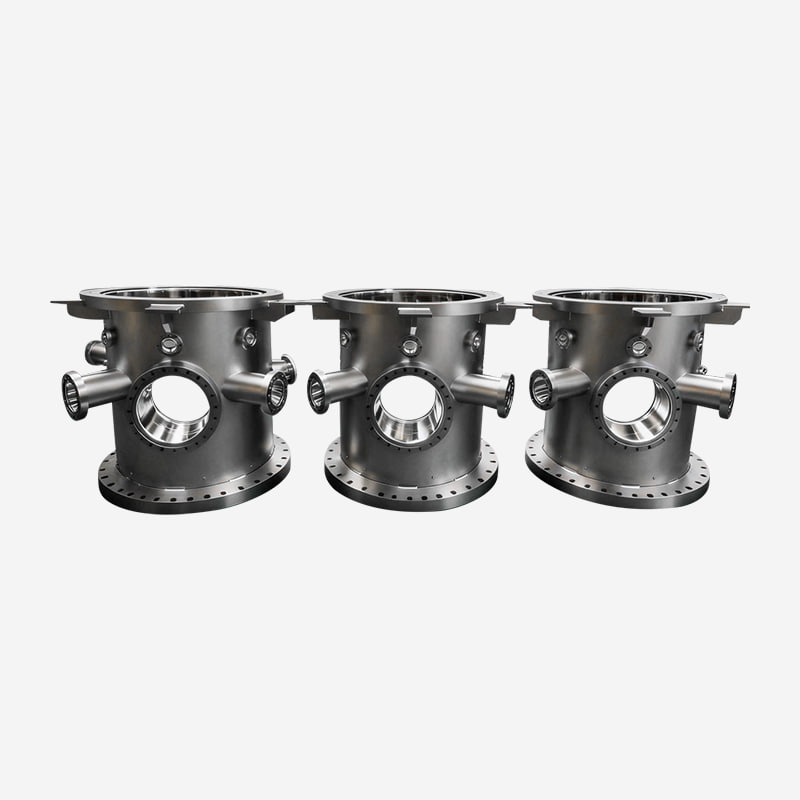
Meeting HV and UHV standards, these chambers are rigorously helium leak-tested to ensure ultra-low l...
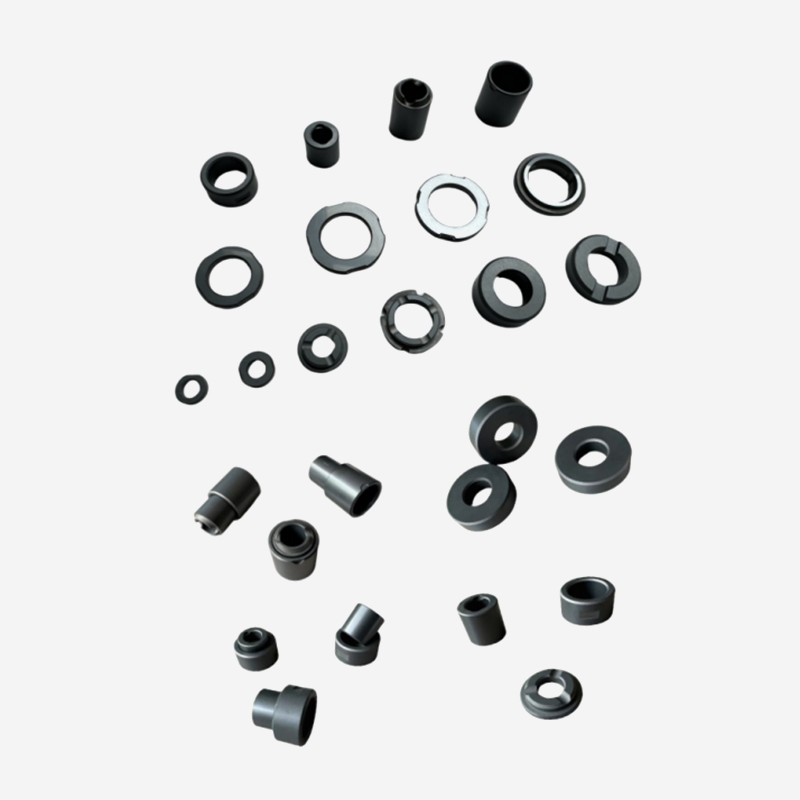
High-performance silicon carbide ceramics feature extremely high wear resistance and friction resist...
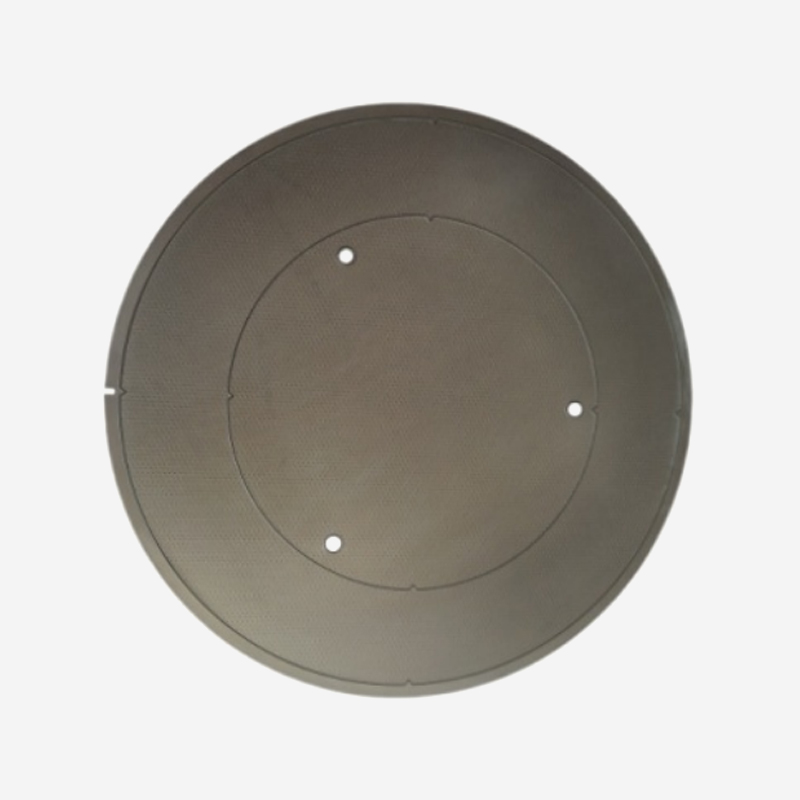
Silicon carbide has a thermal expansion coefficient that matches that of silicon, and it features a ...
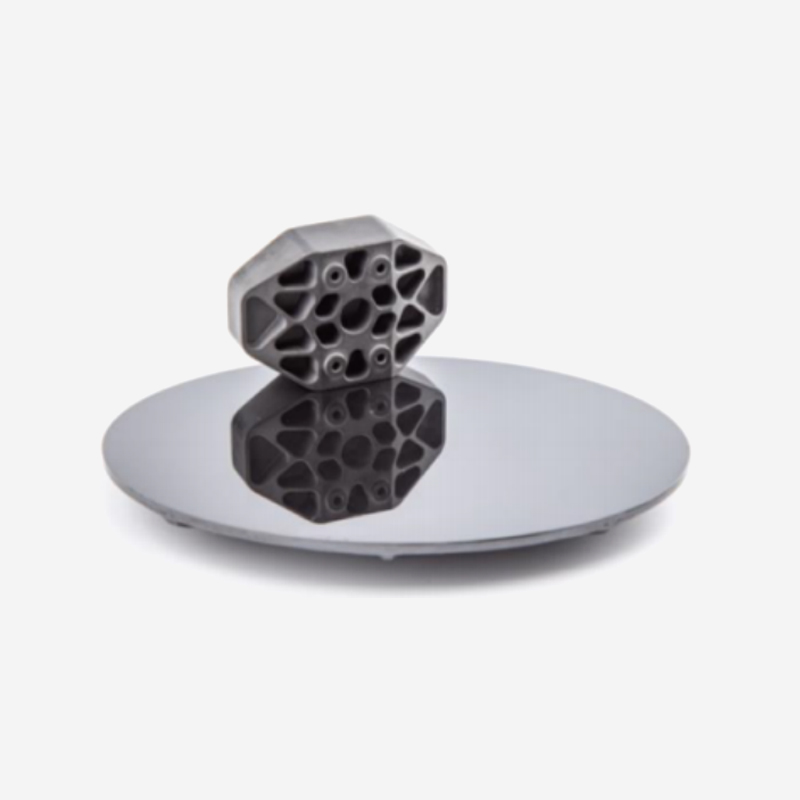
Silicon carbide features an extremely low porosity, a uniform and dense microstructure, a low densit...
Ready to Innovate Together? Contact Our Experts.

Contact Us
Address: 288 Shande Road, Shanyang Town, Jinshan District, Shanghai, China TEL/WhatsApp:Mobile terminal