How do motorized spindles improve machining efficiency in precision manufacturing?
Motorized spindles improve machining efficiency in precision manufacturing by integrating the motor and spindle into a single, compact unit that eliminates belt drives and external motors—reducing vibration, increasing speed capability, and enabling faster acceleration and deceleration. This integration delivers higher material removal rates, improved surface finish, reduced cycle times, and greater machining flexibility across a wide range of materials and applications. SUNFUN Group has been manufacturing precision spindle components since 1986, applying 0.001‑mm precision machining to produce components that meet the demanding requirements of high‑speed, high‑precision machining operations.
Product Category 1: High‑Speed Motorized Spindles
Definition and Positioning
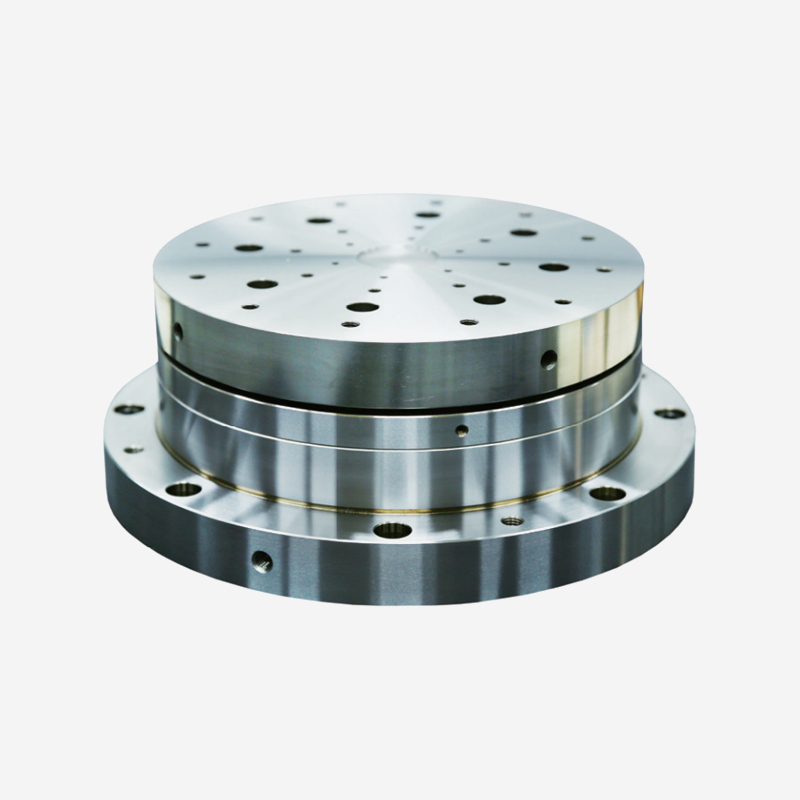
High‑speed motorized spindles are precision machining units that operate at rotational speeds exceeding 20,000 RPM, with some configurations reaching 60,000 RPM or higher. These spindles are designed for applications requiring high material removal rates with fine surface finishes—including die and mould machining, aerospace component manufacturing, and medical device production. SUNFUN Group manufactures high‑speed spindle components—including rotors, shafts, and bearing housings—that are precision‑machined to maintain balance and concentricity at extreme rotational speeds. As motorized spindles, these units enable the high‑speed machining capabilities required for modern precision manufacturing.
Core Functions and Technical Features
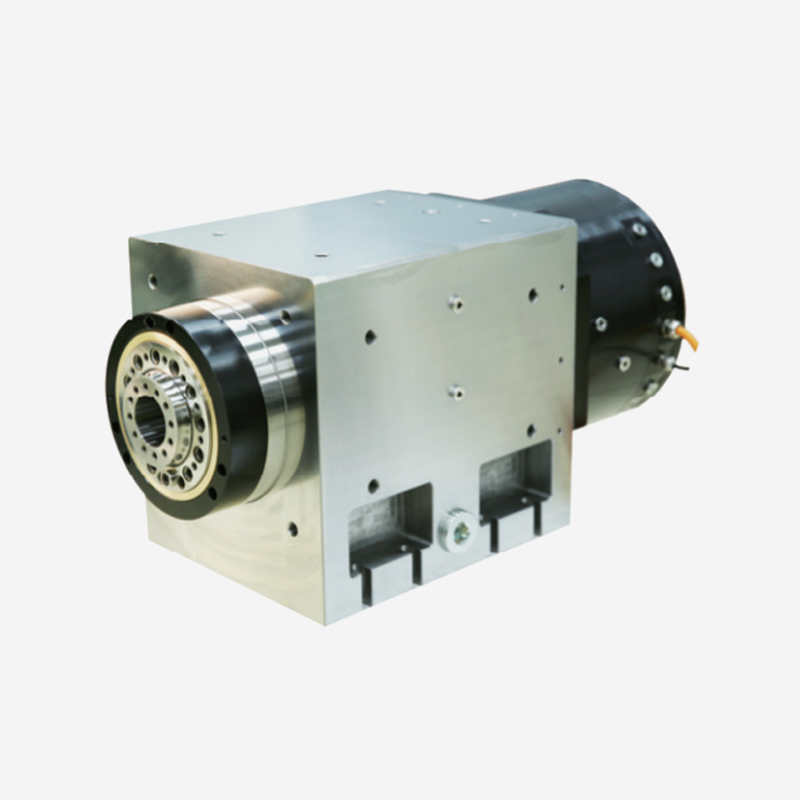
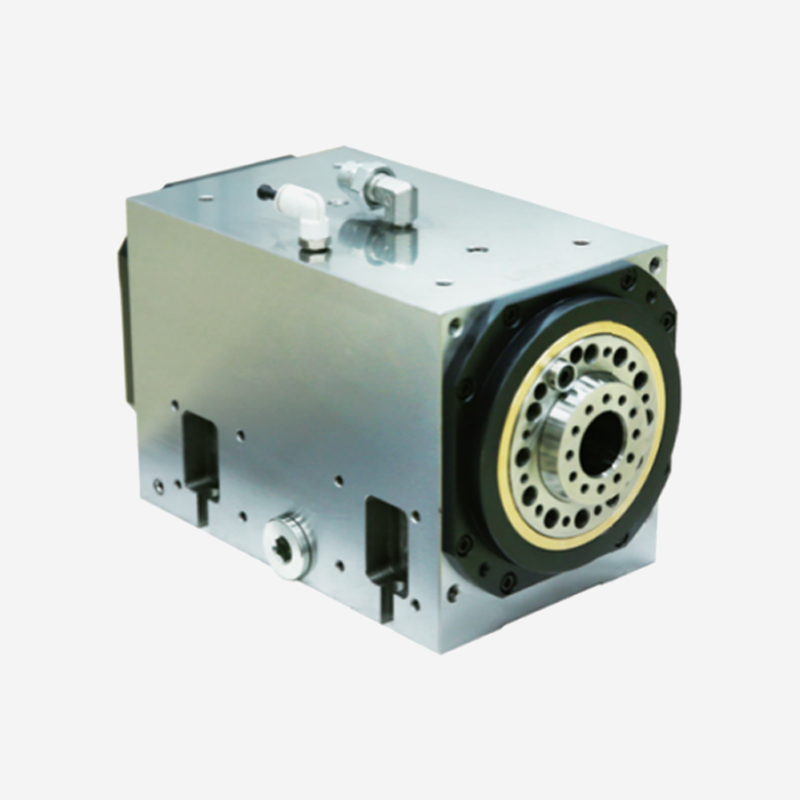
High‑speed motorized spindles function through the direct integration of the electric motor with the spindle shaft, eliminating belt drives and reducing the rotating mass that limits acceleration and speed in conventional spindle designs. The motor rotor is mounted directly on the spindle shaft, with the stator housed in the spindle body. This direct drive configuration enables rapid acceleration to operating speed, precise speed control, and instant speed changes during machining operations.
The design of high‑speed spindles addresses the challenges of high‑speed operation—including centrifugal forces, thermal management, and bearing performance. Rotors and shafts are manufactured from materials with high strength‑to‑weight ratios to maintain structural integrity at high speeds. Cooling systems—typically liquid or air‑cooled—dissipate the heat generated by the motor and bearings. SUNFUN Group's components are manufactured with the precision required for high‑speed operation, including balance tolerances and surface finishes that support stable, vibration‑free rotation. These precision spindles are essential for achieving the material removal rates and surface finishes required in high‑speed machining.
Typical Application Scenarios
High‑speed motorized spindles are used in applications requiring fine surface finishes and high material removal rates. Die and mould machining uses high‑speed spindles for finishing operations on hardened steels. Aerospace component manufacturing uses high‑speed spindles for aluminium and titanium alloy machining. Medical device production uses high‑speed spindles for precision machining of implants and instruments.
Differentiation from Other Spindle Types
High‑speed spindles are distinguished from standard spindles by their rotational speed capability, acceleration characteristics, and application focus. Standard spindles typically operate below 15,000 RPM, while high‑speed spindles operate above 20,000 RPM with faster acceleration and deceleration. The direct drive configuration eliminates the speed limitations and power losses associated with belt drives.
SUNFUN Group's Manufacturing Capabilities
SUNFUN Group's high‑speed spindle component production applies precision machining and quality control appropriate for high‑speed applications. Our 0.001‑mm precision machining ensures that rotors and shafts meet balance and concentricity requirements for stable high‑speed rotation. Through our open innovation ecosystem, established in partnership with governments, enterprises, universities, and institutions, we maintain knowledge of evolving high‑speed machining requirements for industrial spindles.
High‑Speed Spindle Specifications
- Speed range: 20,000 – 60,000 RPM
- Power range: 5 – 50 kW
- Torque: 0.5 – 10 N·m
- Cooling: Liquid or air cooled
- Balance grade: G0.4 or better
- Runout: ≤ 0.001 mm (0.00004 in)
Product Category 2: Heavy‑Duty Motorized Spindles
Definition and Positioning
Heavy‑duty motorized spindles are designed for high‑torque, low‑to‑medium speed applications requiring substantial material removal in tough materials—including steel, titanium, and nickel‑based superalloys. These spindles operate at speeds ranging from 1,000 to 15,000 RPM with torque ratings exceeding 50 N·m, enabling roughing operations that remove large volumes of material efficiently. SUNFUN Group manufactures heavy‑duty spindle components—including large‑diameter shafts, heavy‑section housings, and high‑load bearings—that support the demands of heavy‑duty machining. These motorized spindles deliver the cutting power required for efficient material removal in precision manufacturing.
Core Functions and Technical Features
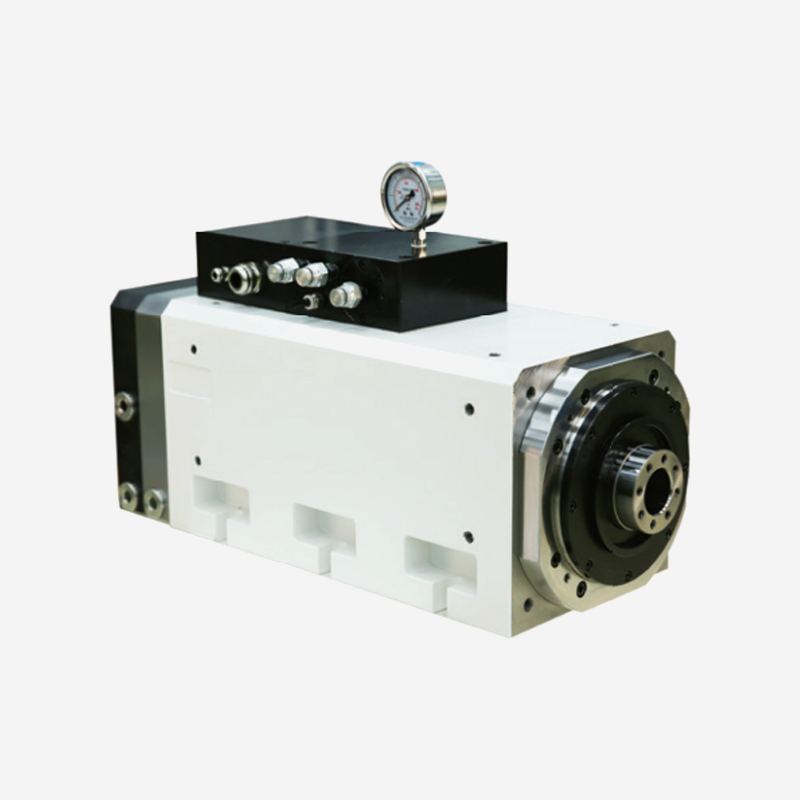
Heavy‑duty motorized spindles function through high‑torque motor designs and robust mechanical construction that withstand the cutting forces of heavy‑duty machining. The motor is sized to provide the torque required for high‑load cutting operations, with power ratings typically exceeding 30 kW. The spindle shaft and housing are manufactured from high‑strength materials with larger cross‑sections than high‑speed spindles, providing the stiffness required for heavy‑cutting operations.
The design of heavy‑duty spindles addresses the challenges of high‑load operation—including cutting force management, heat generation, and bearing life. Bearings are selected for high load capacity and extended service life under heavy‑duty conditions. Cooling systems manage the heat generated by both the motor and the cutting process. SUNFUN Group's components are manufactured with the precision required for heavy‑duty operation, including dimensional accuracy and surface finishes that support stable cutting performance. These industrial spindles are essential for achieving efficient material removal in tough materials.
Typical Application Scenarios
Heavy‑duty motorized spindles are used in applications requiring substantial material removal. Aerospace component manufacturing uses heavy‑duty spindles for machining titanium and nickel‑based superalloys. Heavy equipment manufacturing uses heavy‑duty spindles for machining large steel components. Energy sector manufacturing—including oil and gas equipment—uses heavy‑duty spindles for high‑load cutting operations.
Differentiation from High‑Speed Spindles
Heavy‑duty spindles are distinguished from high‑speed spindles by their torque characteristics, speed range, and application focus. Heavy‑duty spindles are designed for high torque at moderate speeds, enabling efficient material removal in tough materials. High‑speed spindles are designed for high speed with lower torque, enabling fine surface finishes and efficient machining in softer materials.
SUNFUN Group's Manufacturing Capabilities
SUNFUN Group's heavy‑duty spindle component production applies precision machining and quality control appropriate for high‑load applications. Our 0.001‑mm precision machining ensures that large‑diameter shafts and housings meet dimensional requirements for heavy‑duty operation. Our accredited technology enterprise status—demonstrated through national‑level R&D tasks and projects commissioned by the NDRC, MOST, and MIIT—supports quality systems for precision spindles.
Heavy‑Duty Spindle Specifications
- Speed range: 1,000 – 15,000 RPM
- Power range: 30 – 100+ kW
- Torque: 50 – 500+ N·m
- Cooling: Liquid cooled standard
- Balance grade: G1 or better
- Runout: ≤ 0.005 mm (0.0002 in)
Product Category 3: Ultra‑Precision Motorized Spindles
Definition and Positioning
Ultra‑precision motorized spindles are designed for applications requiring the highest levels of accuracy and surface finish—including optical component manufacturing, semiconductor equipment production, and ultra‑precision machining of specialised materials. These spindles operate at controlled speeds with extremely low runout and vibration, achieving surface finishes measured in nanometres. SUNFUN Group manufactures ultra‑precision spindle components—including air‑bearing shafts, precision housings, and high‑resolution encoders—that support the accuracy requirements of ultra‑precision machining. These precision spindles enable the machining accuracy required for the most demanding precision manufacturing applications.
Core Functions and Technical Features
Ultra‑precision motorized spindles function through air‑bearing technology, precision motor control, and advanced thermal management to achieve extremely low runout and vibration. Air bearings provide friction‑free support with sub‑micron accuracy, enabling rotation with runout measured in nanometres. High‑resolution encoders provide precise speed and position feedback for closed‑loop control. Thermal management systems maintain stable operating temperatures to prevent thermal growth affecting accuracy.
The design of ultra‑precision spindles addresses the challenges of achieving nanometre‑level accuracy—including vibration isolation, thermal stability, and environmental control. Components are manufactured to tolerances that support sub‑micron accuracy. The spindle is typically operated in temperature‑controlled environments to maintain dimensional stability. SUNFUN Group's components are manufactured with the precision required for ultra‑precision operation, including surface finishes and dimensional accuracies that support nanometre‑level performance. These motorized spindles are essential for achieving the accuracy required in ultra‑precision manufacturing.
Typical Application Scenarios
Ultra‑precision motorized spindles are used in applications requiring the highest levels of accuracy. Optical component manufacturing uses ultra‑precision spindles for machining lenses and mirrors. Semiconductor equipment production uses ultra‑precision spindles for manufacturing precision components. Ultra‑precision machining of specialised materials—including silicon, ceramics, and hardened metals—uses ultra‑precision spindles for achieving nanometre‑level surface finishes.
Differentiation from Other Spindle Types
Ultra‑precision spindles are distinguished from other spindle types by their accuracy, runout characteristics, and application focus. Ultra‑precision spindles achieve runout below 0.1 µm, while high‑speed spindles typically achieve runout below 1 µm. The ultra‑precision spindle also requires tighter environmental control and more sophisticated error compensation.
SUNFUN Group's Manufacturing Capabilities
SUNFUN Group's ultra‑precision spindle component production applies the highest levels of precision machining and quality control. Through our open innovation ecosystem, we maintain knowledge of evolving ultra‑precision machining requirements for industrial spindles.
Key Specifications Comparison
| Parameter |
High‑Speed |
Heavy‑Duty |
Ultra‑Precision |
| Speed range (RPM) |
20,000‑60,000 |
1,000‑15,000 |
500‑30,000 |
| Power rating |
5‑50 kW |
30‑100+ kW |
1‑20 kW |
| Torque capability |
Low‑moderate |
High |
Low‑moderate |
| Runout specification |
≤ 0.001 mm |
≤ 0.005 mm |
≤ 0.0001 mm |
| Primary application |
Finishing, high speed |
Roughing, heavy loads |
Ultra‑precision |
Motorized spindles improve machining efficiency in precision manufacturing through direct motor integration that enables higher speeds, faster acceleration, reduced vibration, and improved surface finish—delivering higher material removal rates, shorter cycle times, and greater machining flexibility. SUNFUN Group manufactures components for all types of motorized spindles—high‑speed, heavy‑duty, and ultra‑precision—applying precision machining and quality control developed over four decades of experience. Our 0.001‑mm precision machining ensures that spindle components meet dimensional requirements for stable, reliable performance. Through our in‑house institute, talent academy, and open innovation ecosystem—established in partnership with governments, enterprises, universities, and institutions—SUNFUN Group maintains the technical expertise required for motorized spindles that deliver improved efficiency in precision manufacturing applications.
Frequently Asked Questions
Q1: What is the main advantage of a motorized spindle over a belt‑driven spindle?
The main advantage of a motorized spindle is the elimination of belt drives, which removes the speed limitations, power losses, and vibration sources associated with belt‑driven systems. Motorized spindles achieve higher speeds, faster acceleration, and improved surface finish compared to belt‑driven designs.
Q2: What speed range do motorized spindles typically operate?
Motorized spindles are available across a wide speed range—from 1,000 RPM for heavy‑duty applications to 60,000 RPM for high‑speed finishing operations. The specific speed range depends on the spindle design and application requirements. Industrial spindles can be selected to match the speed requirements of any precision manufacturing application.
Q3: How does vibration affect machining performance?
Vibration in machining operations affects surface finish, tool life, and dimensional accuracy. Motorized spindles reduce vibration through balanced rotating components, direct drive without belt vibration, and integrated cooling systems. Precision spindles with low vibration characteristics enable superior surface finish and extended tool life.
Q4: What quality controls apply to SUNFUN Group's motorized spindle component manufacturing?
SUNFUN Group applies material certification, dimensional verification, surface finish measurement, balance testing, and concentricity inspection to all motorized spindle component production. Our accredited technology enterprise status supports comprehensive quality systems for motorized spindles, ensuring consistent component quality and reliable spindle performance.


 English
 日本語
日本語
 عربى
عربى
 中文简体
中文简体