What is the main difference between ISO‑K and ISO‑F vacuum flanges?
The main difference between ISO‑K and ISO‑F vacuum flanges lies in their clamping mechanism and sealing configuration. ISO‑K flanges use a quick‑release clamp system with a centering ring and elastomer O‑ring, similar to KF flanges but in larger diameters. ISO‑F flanges, by contrast, employ a bolted connection with a separate clamp ring and are designed for applications requiring higher clamping force or where space constraints favour a lower‑profile connection. SUNFUN Group, with four decades of precision manufacturing experience, produces both ISO‑K and ISO‑F flanges, applying 0.001‑mm precision machining to ensure dimensional accuracy and reliable vacuum performance across both standards.
Product Category 1: ISO‑K Flanges
Definition and Positioning
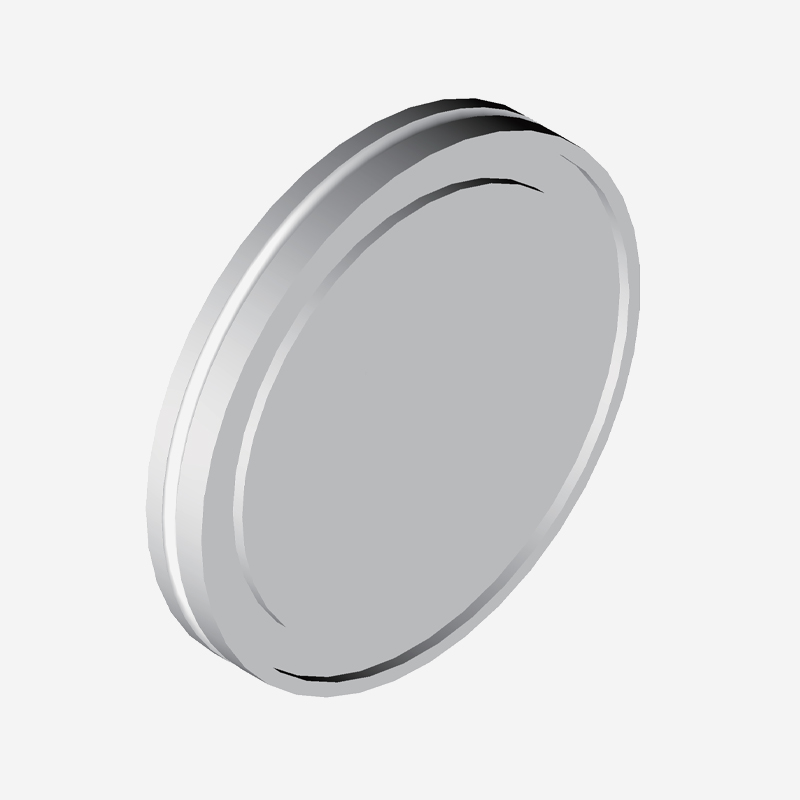
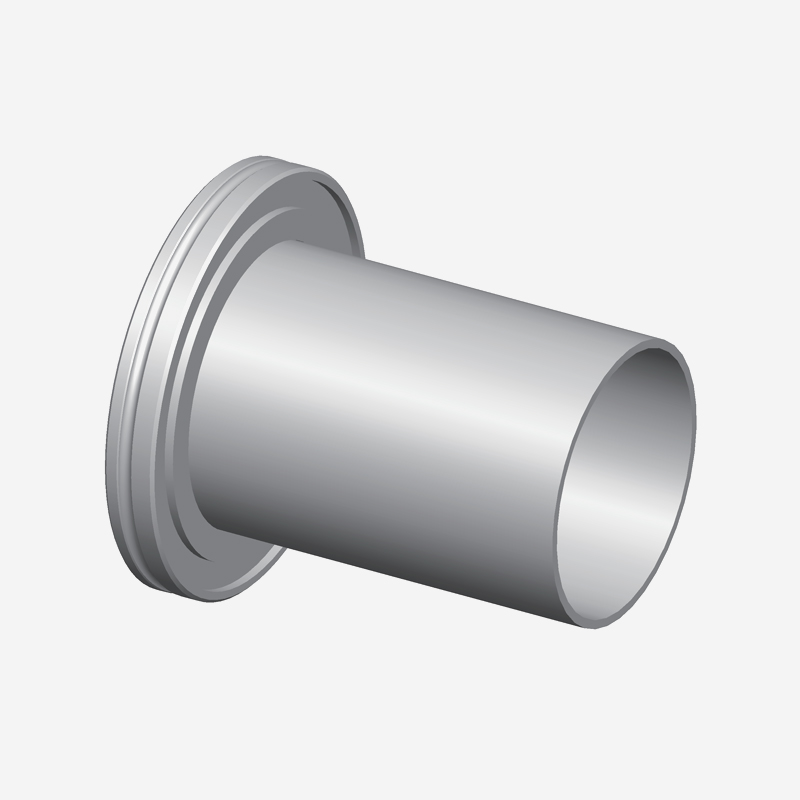
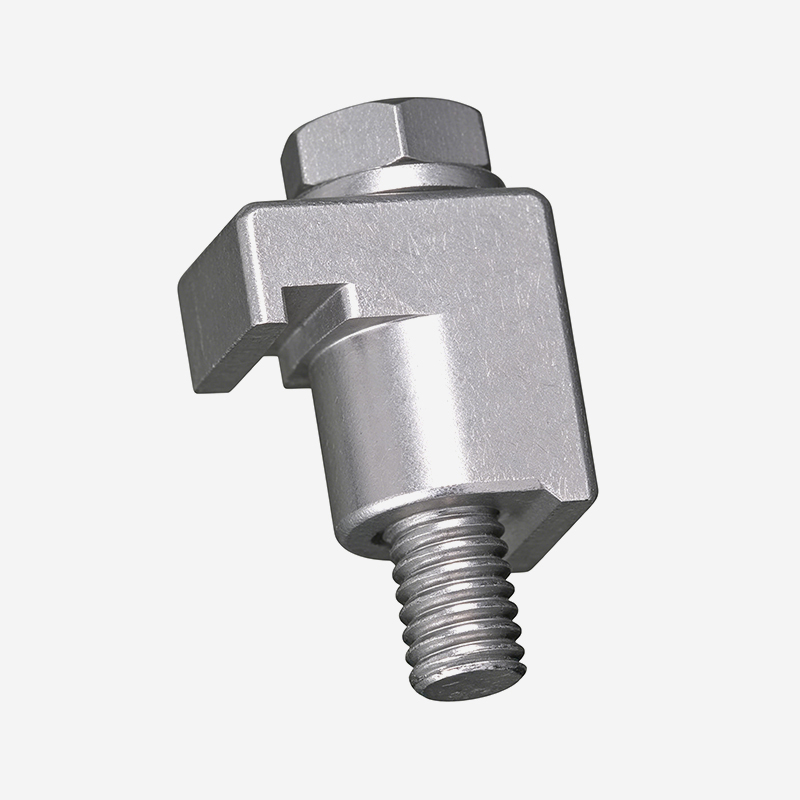
ISO‑K flanges are quick‑release vacuum connection components designed for larger diameter applications, typically ranging from DN 63 to DN 500. These flanges use a hinged or split clamp mechanism with a wing nut or bolt that compresses the flange faces against a centering ring and O‑ring seal. SUNFUN Group manufactures ISO‑K flanges from stainless steel with precision‑machined sealing surfaces, positioning them as the standard for applications requiring rapid assembly and disassembly in larger pipe sizes. As ISO flanges in the K configuration, these components serve semiconductor, research, and industrial vacuum applications.
Core Functions and Technical Features
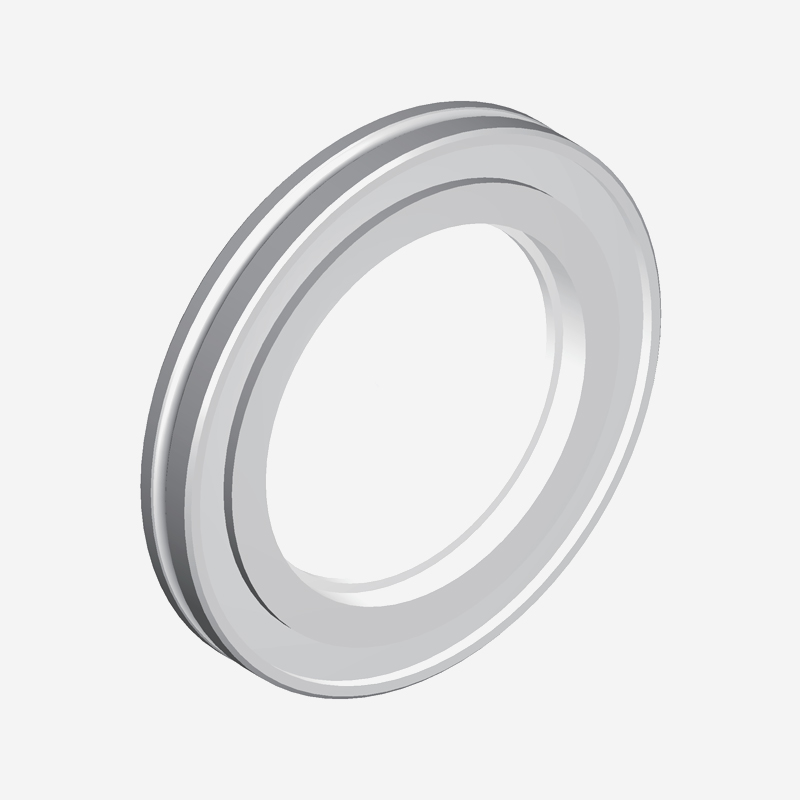
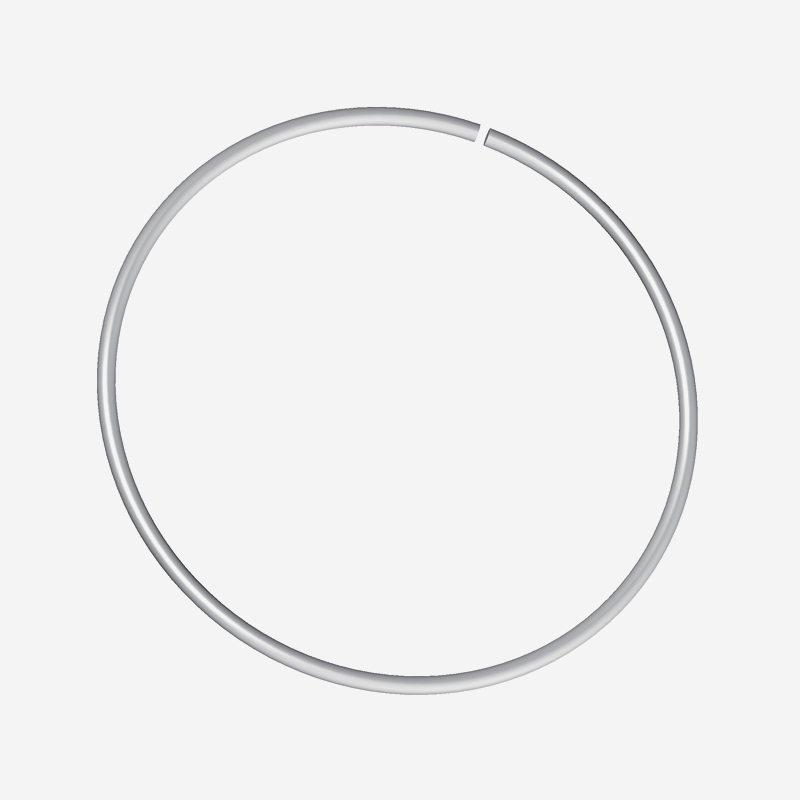
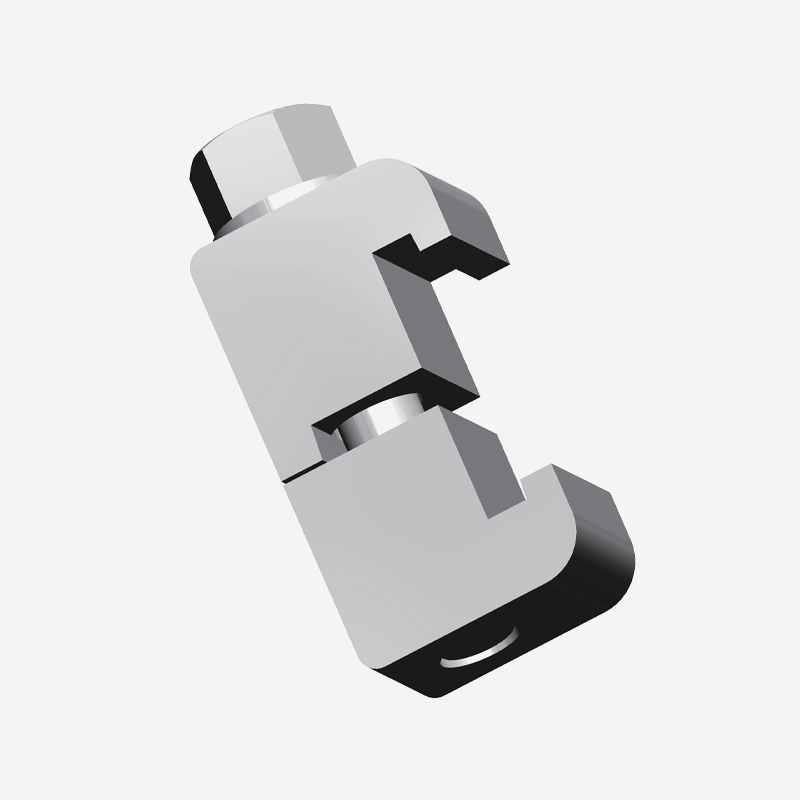
The ISO‑K connection system operates through a clamping mechanism similar in principle to KF flanges but scaled for larger diameters. The clamp applies uniform circumferential compression to the flange faces, compressing the O‑ring seal against the centering ring. The clamp design includes a hinged or split construction that enables placement around assembled flanges. The wing nut or bolt provides the tightening mechanism, with the clamp geometry distributing load evenly around the flange circumference. This design enables ISO vacuum fittings to be assembled and disassembled with minimal tooling.
Surface finish requirements for ISO‑K flanges are specified to ensure reliable sealing with elastomer O‑rings. The sealing face finish typically requires roughness values below 1.6 µm Ra. SUNFUN Group's manufacturing processes, including precision turning and surface finishing, achieve the dimensional accuracy required for ISO‑K flange production. Our 0.001‑mm precision machining ensures that flange faces meet the dimensional requirements for consistent seal compression. These iso vacuum flange components maintain sealing integrity through repeated assembly and disassembly cycles.
Typical Application Scenarios
ISO‑K flanges are specified in applications requiring larger diameter connections with quick‑release capability. Semiconductor manufacturing uses ISO‑K flanges for transfer chamber connections and pumping lines where larger conductance is required. Research facilities with larger experimental apparatus employ ISO‑K connections for their ease of assembly and reconfiguration. Industrial vacuum systems—including large‑scale coating and drying equipment—use ISO‑K flanges for their combination of conductance and serviceability.
Differentiation from ISO‑F Flanges
ISO‑K flanges are distinguished from ISO‑F flanges by their clamping mechanism. ISO‑K uses a quick‑release clamp system that supports rapid assembly and disassembly, while ISO‑F uses a bolted connection with a separate clamp ring and threaded fasteners. This distinction affects installation time and service accessibility, with ISO‑K providing faster access for applications requiring frequent maintenance or reconfiguration. Both types serve as ISO flanges but with different operational characteristics.
SUNFUN Group's Manufacturing Capabilities
SUNFUN Group's ISO‑K flange production applies precision machining and quality control appropriate for larger diameter vacuum components. Our fully intelligent process management maintains energy consumption within 0.1 % across manufacturing operations. Through our open innovation ecosystem, established in partnership with governments, enterprises, universities, and institutions, we maintain knowledge of evolving vacuum connection requirements. Our accredited technology enterprise status—demonstrated through national‑level R&D tasks and projects commissioned by the NDRC, MOST, and MIIT—supports quality systems for ISO vacuum fittings.
ISO‑K Specifications
- Size range: DN 63 to DN 500
- Sealing method: Elastomer O‑ring with centering ring
- Surface finish: Ra ≤ 1.6 µm sealing face
- Materials: 304/316L stainless steel standard
- Clamp type: Hinged or split quick‑release
- Applications: Large diameter quick‑release connections
Product Category 2: ISO‑F Flanges
Definition and Positioning
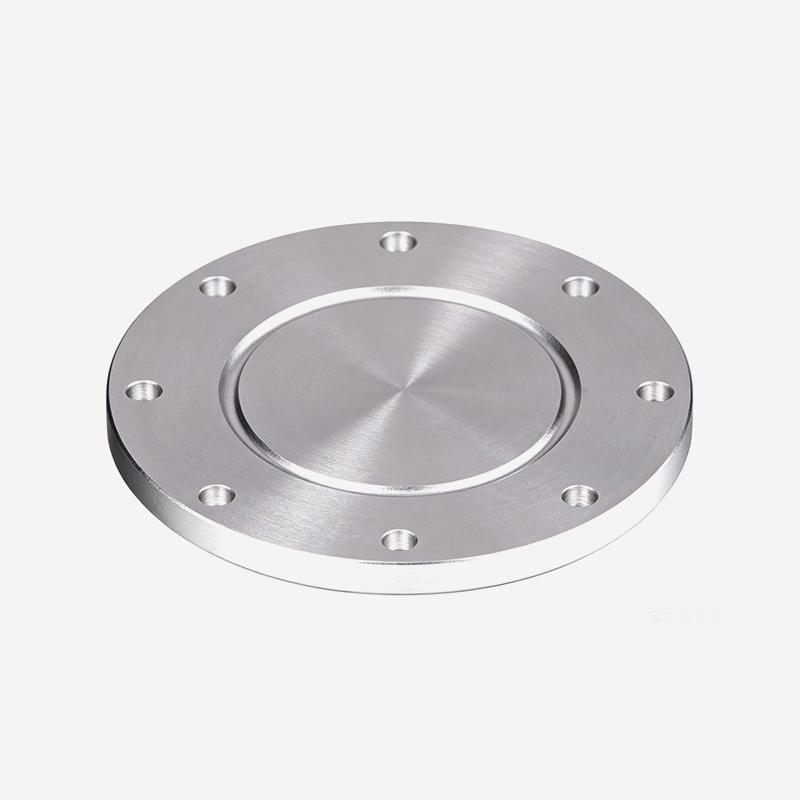
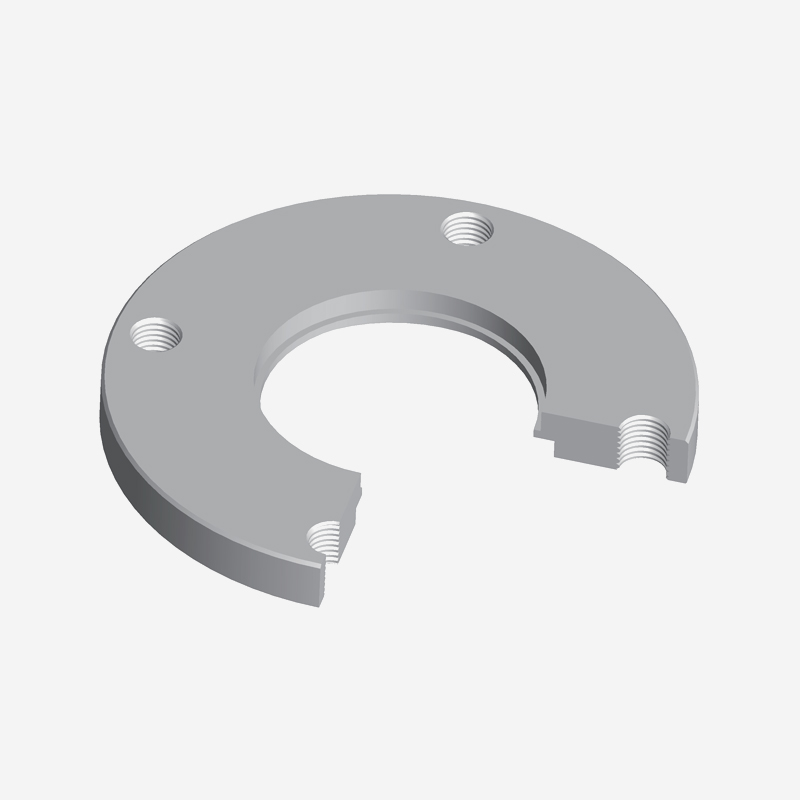
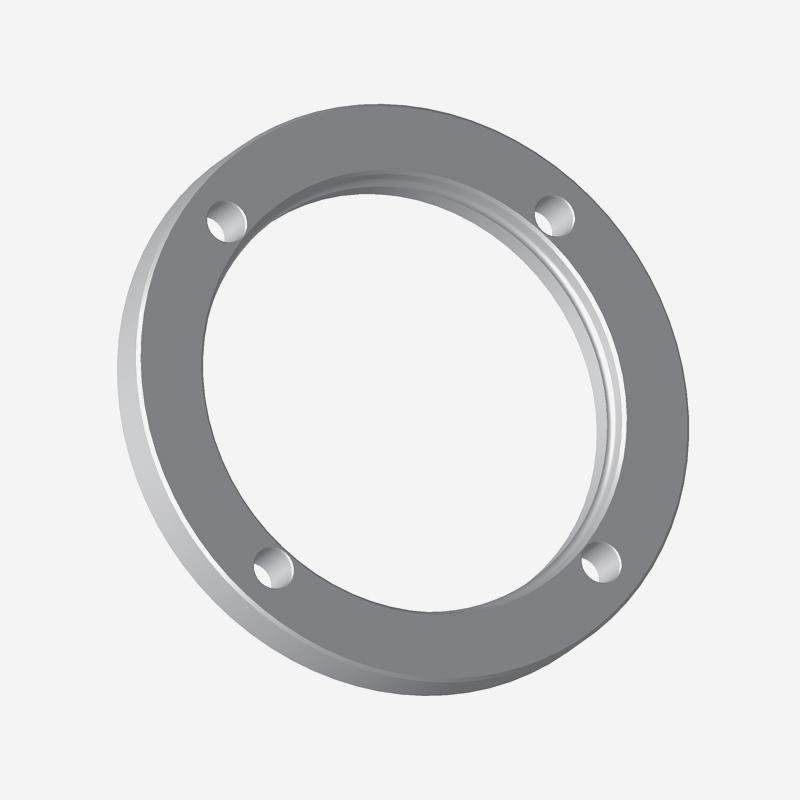
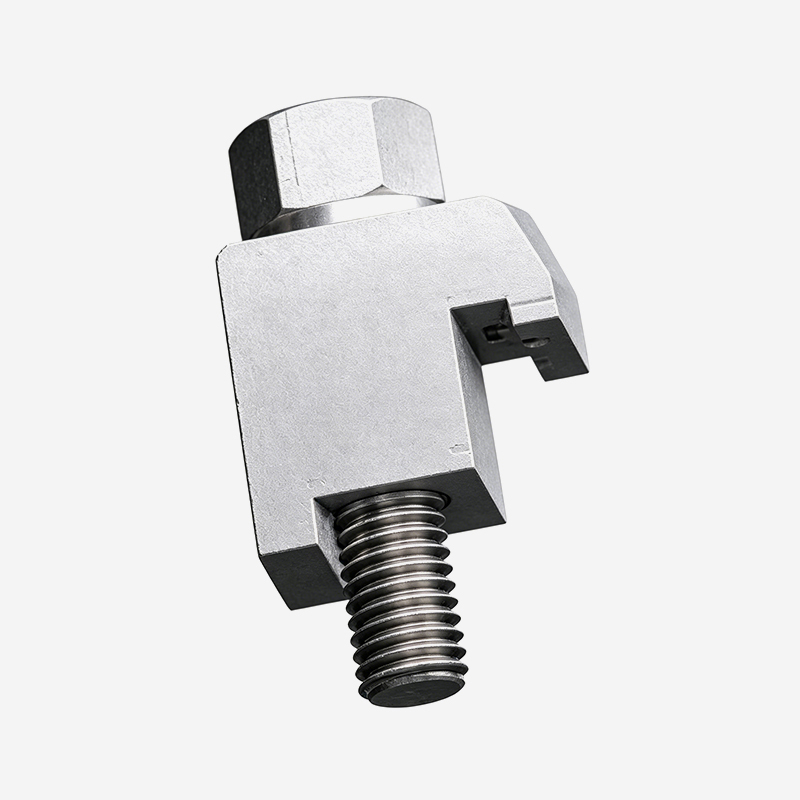
ISO‑F flanges are bolted vacuum connection components designed for applications requiring higher clamping force or lower profile connections. These flanges use a separate clamp ring with threaded fasteners that provide mechanical compression of the flange faces, centering ring, and O‑ring seal. SUNFUN Group manufactures ISO‑F flanges from stainless steel with precision‑machined sealing surfaces, positioning them for applications where space constraints or vibration considerations favour a bolted connection over quick‑release clamps.
Core Functions and Technical Features
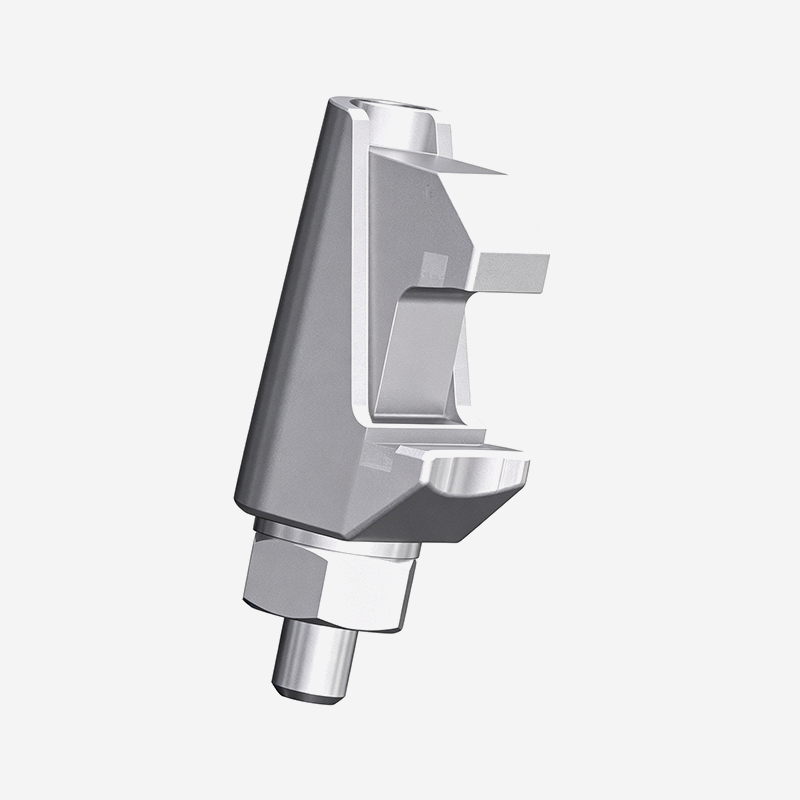
The ISO‑F connection system uses a clamp ring that fits over the flange lips, with bolts providing compression force. The bolted connection provides consistent clamping force that is less dependent on operator technique than quick‑release clamps. The clamp ring design distributes load around the flange circumference, ensuring even O‑ring compression. The bolted configuration provides a lower profile than quick‑release clamps, beneficial in space‑constrained installations.
The bolted connection in ISO‑F flanges offers advantages in specific applications. The consistent clamping force provided by torque‑controlled fasteners reduces variability in seal compression. The lower profile of the bolted clamp ring can be advantageous in installations with limited clearance. The bolted connection may provide better resistance to vibration loosening in some applications. These characteristics make ISO‑K and ISO‑F flanges complementary rather than competing options.
Typical Application Scenarios
ISO‑F flanges are specified in applications where quick‑release capability is not required or where space constraints favour a lower profile connection. Fixed installations where connections are not routinely opened may specify ISO‑F for its lower profile. Equipment designed for limited service access may use ISO‑F where the bolted connection provides secure sealing with minimal protrusion.
Differentiation from ISO‑K Flanges
ISO‑F flanges are distinguished from ISO‑K flanges by their bolted clamp ring configuration. ISO‑F uses threaded fasteners with a separate clamp ring, while ISO‑K uses an integrated quick‑release clamp. The bolted connection provides consistent torque‑controlled compression, while the quick‑release clamp offers faster assembly and disassembly.
SUNFUN Group's Manufacturing Capabilities
SUNFUN Group's ISO‑F flange production applies the same precision machining and quality control standards as ISO‑K production. Our in‑house institute and talent academy provide technical expertise in bolted connection design and application. Through our accredited technology enterprise status, we maintain quality systems for iso vacuum flange products.
ISO‑F Specifications
- Size range: DN 63 to DN 500
- Sealing method: Elastomer O‑ring with centering ring
- Surface finish: Ra ≤ 1.6 µm sealing face
- Materials: 304/316L stainless steel standard
- Clamp type: Bolted clamp ring with threaded fasteners
- Applications: Fixed installations, space‑constrained locations
Product Category 3: ISO Adaptor Flanges and Transition Components
Definition and Positioning
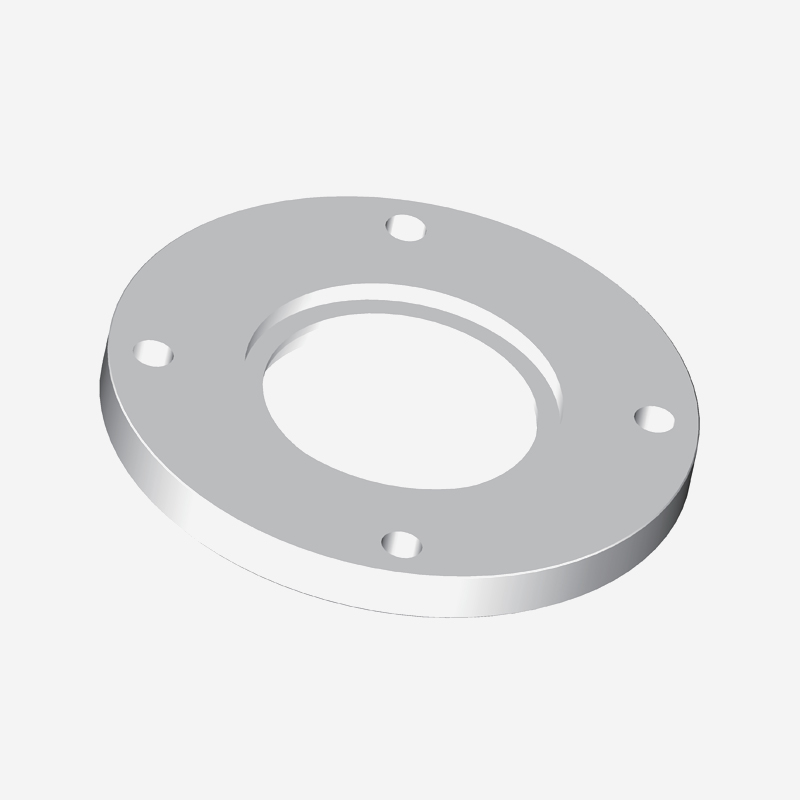
ISO adaptor flanges enable the connection of ISO‑K and ISO‑F flanges to other vacuum connection standards, including KF, CF, and JIS flanges. SUNFUN Group manufactures ISO adaptors that support interconnection of systems with different connection standards, applying precision machining to ensure dimensional accuracy on both sides of the adaptor.
Core Functions and Technical Features
ISO adaptors are manufactured with an ISO flange face on one side—either ISO‑K or ISO‑F configuration—and a different connection standard on the other. The ISO flange face is manufactured to ISO specifications, with appropriate sealing surface finish and dimensions. The other flange face is manufactured to the applicable standard, with dimensions and surface finish appropriate for that connection type.
The adaptor design must maintain concentricity between the two flange faces while providing sufficient material thickness for structural integrity. SUNFUN Group's adaptors are manufactured with dimensional accuracy that ensures proper sealing on both connections. These ISO vacuum fittings enable system integration across different connection standards.
Typical Application Scenarios
ISO adaptors are used when connecting ISO flanged components to equipment with other connection standards. Research laboratories use ISO‑to‑KF adaptors to connect larger ISO components to smaller KF systems. Semiconductor manufacturing may require ISO‑to‑CF adaptors for connections between general vacuum sections and UHV systems.
Differentiation from Standard Flanges
ISO adaptors differ from standard flanges in their dual‑standard design. Standard ISO flanges have ISO flanges on both ends, while adaptors provide a transition between different connection standards.
SUNFUN Group's Adaptor Manufacturing
SUNFUN Group manufactures ISO adaptors for multiple standard combinations. Our precision machining capabilities ensure dimensional accuracy for both flange faces. Through our open innovation ecosystem, we maintain knowledge of vacuum system interconnection requirements for ISO flanges.
Key Specifications Comparison
| Parameter |
ISO‑K Flanges |
ISO‑F Flanges |
ISO Adaptors |
| Clamping mechanism |
Quick‑release clamp |
Bolted clamp ring |
As specified per side |
| Assembly time |
Rapid |
Moderate |
Depends on standards |
| Tool requirement |
Minimal |
Wrench/hex key |
Per standard |
| Profile height |
Higher |
Lower |
Depends on configuration |
| Typical applications |
Frequent access |
Fixed installations |
System interconnection |
The main difference between ISO‑K and ISO‑F vacuum flanges is the clamping mechanism: ISO‑K uses a quick‑release clamp for rapid assembly and disassembly, while ISO‑F uses a bolted clamp ring with a lower profile and torque‑controlled compression. SUNFUN Group manufactures both ISO‑K and ISO‑F flanges, along with adaptor components for interconnection with other standards, applying precision machining and quality control developed over four decades of experience. Our 0.001‑mm precision machining ensures that ISO flanges meet dimensional requirements for consistent seal compression and reliable vacuum performance. Through our in‑house institute, talent academy, and open innovation ecosystem—established in partnership with governments, enterprises, universities, and institutions—SUNFUN Group maintains the technical expertise required for ISO vacuum fittings across the full range of connection configurations.
Frequently Asked Questions
Q1: Can ISO‑K and ISO‑F flanges be interchanged?
ISO‑K and ISO‑F flanges of the same nominal diameter are dimensionally compatible in terms of flange face geometry and can be used together—an ISO‑K flange can connect to an ISO‑F flange of the same size. The clamping method, however, differs. ISO‑K and ISO‑F flanges with the same diameter share the same flange face dimensions and sealing configuration.
Q2: What size range do ISO flanges cover?
ISO flanges are available from DN 63 to DN 500 for both ISO‑K and ISO‑F configurations. This range covers the larger diameter connections commonly required in semiconductor processing equipment, research systems, and industrial vacuum applications. ISO flanges bridge the gap between KF (which stops at DN 50) and CF flanges used in UHV systems.
Q3: What sealing materials are used with ISO flanges?
ISO flanges typically use elastomer O‑ring seals with centering rings. Common O‑ring materials include NBR for general applications and FKM for higher temperature or chemical resistance. ISO vacuum fittings in the K and F configurations are designed for elastomer sealing in the high‑vacuum range.
Q4: What quality controls apply to SUNFUN Group's ISO flange manufacturing?
SUNFUN Group applies material certification, dimensional verification, surface finish measurement, and visual inspection to all ISO flange production. Our accredited technology enterprise status supports comprehensive quality systems for iso vacuum flange products, ensuring consistent component quality and reliable vacuum performance.


 English
 日本語
日本語
 عربى
عربى
 中文简体
中文简体