What is the difference between ultra‑high vacuum and standard industrial vacuum equipment?
Selecting between ultra‑high vacuum (UHV) and standard industrial vacuum systems requires understanding not only pressure specifications but also the engineering principles, material science, and operational protocols that distinguish these equipment classes. The differences extend far beyond numerical pressure values—they encompass sealing technologies, surface preparation, pumping methodologies, and the physical phenomena that dominate at different pressure regimes. SUNFUN Group has manufactured vacuum components across this entire spectrum since 1986, applying our precision machining capabilities and intelligent process controls to serve applications from industrial packaging to advanced semiconductor research.
Product Category 1: Standard Industrial Vacuum Equipment
Definition and Positioning
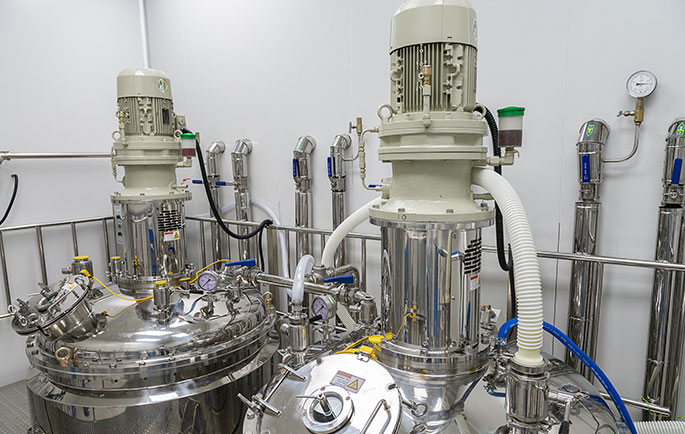
Standard industrial vacuum equipment covers the pressure range from atmospheric down to approximately 10⁻³ mbar. This product category includes rotary vane pumps, roots blowers, simple vacuum chambers, and basic valving arrangements. These systems are designed for manufacturing environments where the primary requirement is reliable material handling or process support—such as workpiece holding, packaging evacuation, or pneumatic conveying—rather than the ultimate cleanliness or lowest possible pressure. The engineering emphasis is on durability, serviceability, and cost‑effective operation over extended production cycles.
Core Functions and Technical Features
Our standard industrial vacuum systems use oil‑sealed or dry pumping technologies configured for specific industrial applications. Rotary vane pumps provide reliable rough vacuum with ultimate pressures reaching 10⁻³ mbar, while roots blowers increase pumping speed in the medium range. System components—including inlet filters, exhaust separators, and pressure switches—are selected for industrial environments where dust, moisture, and temperature variations are common. Sealing systems employ standard elastomer O‑rings that are economical to replace and maintain. These systems are engineered for straightforward field service, with wear parts designed for rapid replacement to minimise production interruptions.
Control systems for standard industrial vacuum equipment range from simple pressure switches to programmable logic controllers that integrate with facility automation. Our intelligent monitoring platforms track pump operating hours and performance trends, enabling scheduled maintenance that prevents unexpected failures. Energy efficiency is addressed through variable speed drives that match pumping capacity to process demand, reducing electrical consumption during idle or partial‑load periods. This combination of reliability, maintainability, and operational economy defines the commercial vacuum equipment segment that serves the majority of industrial vacuum applications.
Typical Application Scenarios
SUNFUN Group's standard industrial vacuum products support diverse manufacturing operations. Plastics processing facilities use vacuum systems to remove volatiles from extrusion and injection moulding processes. Woodworking operations employ vacuum hold‑down tables for workpiece fixturing during routing and machining. Food packaging lines rely on vacuum equipment for modified atmosphere packaging that extends product shelf life. Material handling applications—including sheet and panel lifting, as well as pneumatic conveying systems—depend on reliable vacuum sources for continuous operation. In each of these scenarios, the required pressure typically falls within the 10⁻¹ to 10⁻³ mbar range, and the systems must operate for extended periods with standard maintenance intervals.
Differentiation from Higher‑Performance Categories
The engineering approach to standard industrial vacuum equipment differs fundamentally from higher‑performance systems in several respects. Sealing technologies employ conventional elastomers that are cost‑effective and readily replaceable, rather than the all‑metal seals required for high‑temperature bakeout. Surface preparation is limited to standard machining finishes, avoiding the specialised electropolishing and vacuum firing processes needed for UHV applications. Material selection favours cast iron, carbon steel, and standard stainless grades over the specialised alloys used in extreme vacuum environments. These choices reflect the performance requirements of typical industrial applications, where the cost of UHV‑grade materials and fabrication would be unjustified.
SUNFUN Group's Manufacturing Foundation
Our standard vacuum equipment production draws on SUNFUN Group's precision manufacturing infrastructure. The same machining capabilities that produce UHV components also support cost‑effective production of industrial vacuum parts—enabling consistent quality across our product range. Through our open innovation ecosystem, developed in partnership with universities and research institutions, we continuously evaluate new materials and manufacturing techniques that improve pump efficiency and reliability. This research foundation, strengthened by our accredited technology enterprise status and projects commissioned by the NDRC and MIIT, ensures that our industrial vacuum products incorporate practical innovations that benefit our customers' operations.
Key Specifications at a Glance
- Pressure range: Atmosphere to 10⁻³ mbar
- Pump types: Rotary vane, dry screw, roots blower configurations
- Pumping speed: 5 to 5,000 m³/h depending on configuration
- Seal materials: NBR, FKM, PTFE elastomers
- Construction: Cast iron, carbon steel, standard stainless alloys
- Control: Pressure switches to programmable automation
Product Category 2: Ultra‑High Vacuum Equipment
Definition and Positioning
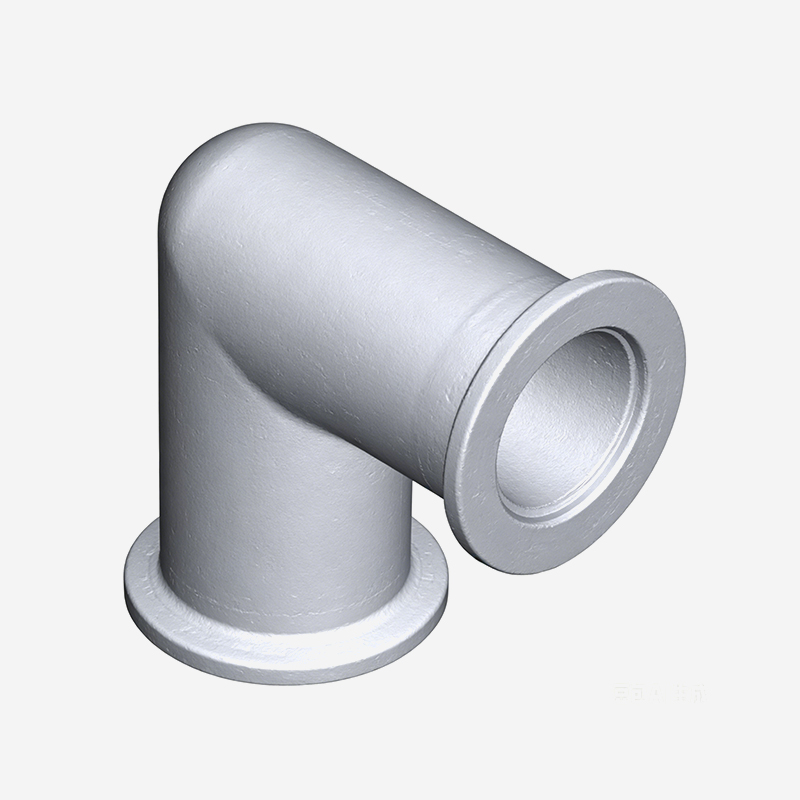
Ultra‑high vacuum equipment operates in the pressure regime below 10⁻⁷ mbar, extending to 10⁻¹² mbar for the most demanding applications. SUNFUN Group's UHV product line encompasses all‑metal sealed valves, CF flange assemblies, bakeable chambers, and specialised pumping systems—including turbo‑molecular, ion, and titanium sublimation pumps. This equipment serves applications where the presence of even trace gas molecules would interfere with primary processes, such as semiconductor device fabrication, surface science research, and particle accelerator operation.
Core Functions and Technical Features
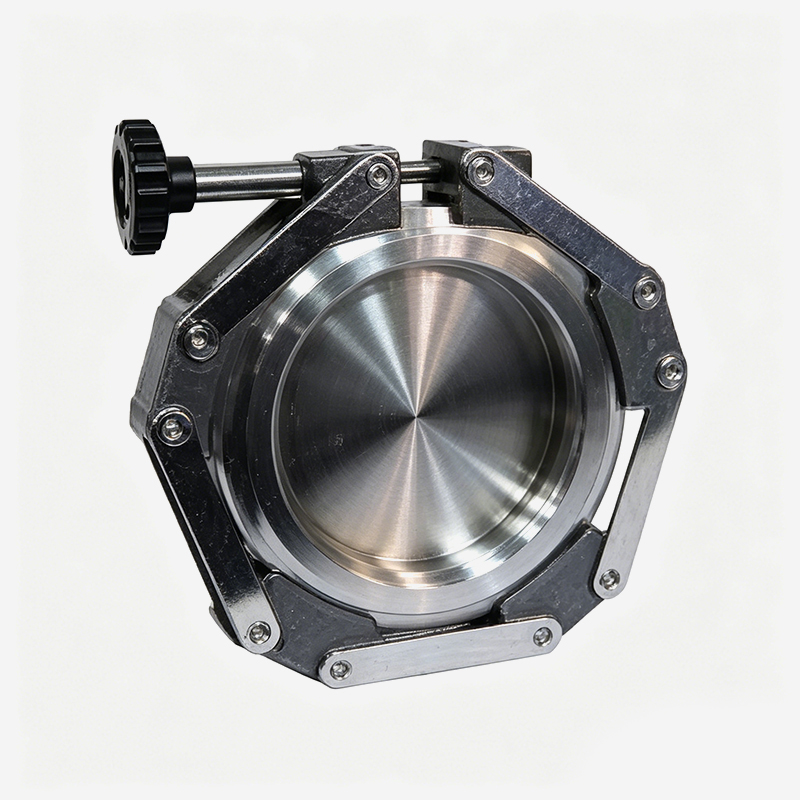
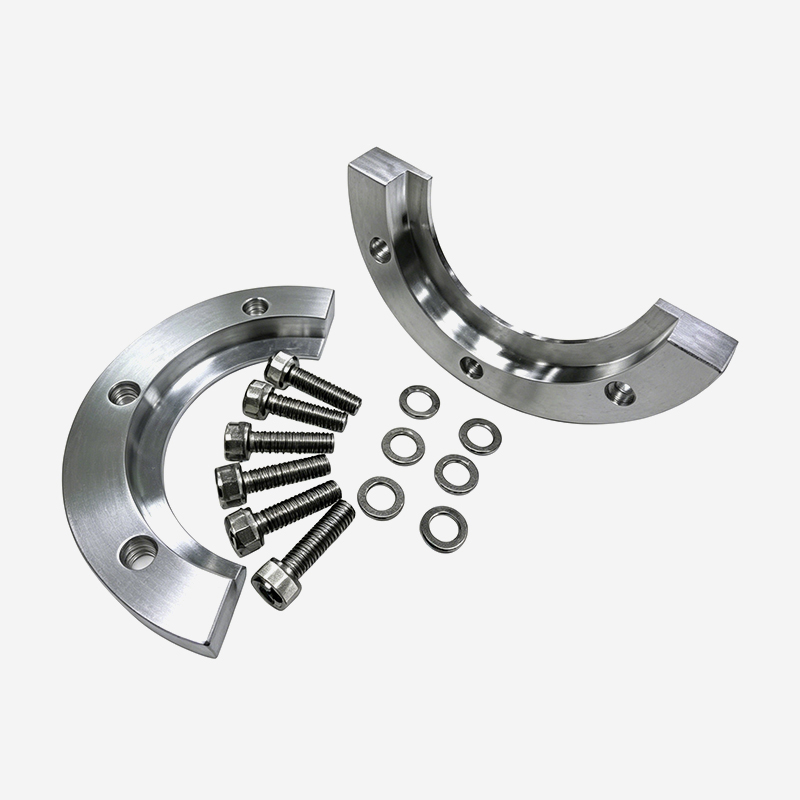
The defining characteristics of UHV equipment arise from the physical phenomena that become dominant at very low pressures. At 10⁻⁹ mbar, the mean free path of gas molecules exceeds typical chamber dimensions, and surface phenomena—including outgassing, permeation, and desorption—determine the achievable base pressure. SUNFUN Group's UHV products address these challenges through specific engineering choices. All‑metal sealing systems, typically CF flanges with copper gaskets, provide leak‑tight performance through repeated thermal cycling. Chambers are fabricated from low‑outgassing materials—principally 316L stainless steel or titanium alloys—with electropolished internal surfaces that minimise surface area and eliminate contamination traps. Bakeout systems raise chamber temperatures to 150‑450 °C, accelerating desorption of water vapour and other adsorbed species.
Pumping systems for UHV combine multiple technologies in staged configurations. Turbo‑molecular pumps provide high pumping speed across the transition from high vacuum to UHV, while ion pumps and titanium sublimation pumps handle the extremely low gas loads encountered at pressures below 10⁻⁹ mbar. Residual gas analysers monitor chamber composition, identifying specific molecular species that may affect process outcomes. The integration of these technologies defines ultra‑high vacuum equipment as a specialised product category with engineering requirements that differ substantially from standard industrial vacuum systems.
Typical Application Scenarios
SUNFUN Group's UHV equipment serves applications where contamination control is paramount. In semiconductor fabrication, molecular beam epitaxy (MBE) systems require UHV conditions to deposit high‑purity semiconductor layers with precisely controlled compositions. Electron beam lithography tools use UHV environments to maintain beam stability and prevent scattering from residual gas molecules. Surface science laboratories rely on UHV systems for techniques including scanning tunnelling microscopy, X‑ray photoelectron spectroscopy, and low‑energy electron diffraction—all of which require atomically clean surfaces for meaningful measurements. Particle accelerator facilities, including synchrotron light sources and linear accelerators, use UHV equipment throughout their beamlines to prevent beam degradation and maintain operational efficiency.
Differentiation from Standard Industrial Equipment
The distinction between UHV and standard industrial equipment lies in the engineering response to different performance requirements. Standard industrial systems achieve moderate vacuum levels using designs that favour cost and serviceability. UHV equipment addresses outgassing, permeation, and virtual leakage—phenomena that are inconsequential at higher pressures—through specialised materials, surface treatments, and sealing technologies. The use of all‑metal seals, bakeable construction, and electropolished surfaces are unique to UHV equipment. Our precision machining practices, developed over decades of manufacturing experience, produce the surface finishes and dimensional accuracy required for reliable UHV sealing.
SUNFUN Group's UHV Manufacturing Expertise
SUNFUN Group's UHV component production relies on specialised manufacturing disciplines developed through our in‑house institute and talent academy. Full‑penetration welding techniques with controlled heat input prevent distortion and porosity in chamber assemblies. Electropolishing processes achieve consistent surface finishes that minimise outgassing. Leak detection methods—including helium mass spectrometry—verify seal integrity before shipment. Our collaborative innovation ecosystem, established through partnerships with research institutions and universities, provides access to current vacuum science and emerging material technologies. Our accredited technology enterprise status, demonstrated through completion of national‑level R&D tasks, supports continuous improvement in UHV manufacturing processes.
Key Specifications Comparison
| Parameter |
Standard Industrial |
Ultra‑High Vacuum |
| Pressure range |
10⁻¹ – 10⁻³ mbar |
10⁻⁷ – 10⁻¹² mbar |
| Sealing method |
Elastomer O‑rings |
All‑metal (copper, aluminium, silver) |
| Bakeout capability |
Not required |
150 °C – 450 °C standard |
| Primary pump types |
Rotary vane, roots, dry screw |
Turbo‑molecular, ion, sublimation |
| Surface preparation |
Standard machining |
Electropolishing, vacuum firing |
| Flange standard |
KF, ISO, JIS |
CF (ConFlat) only |
Product Category 3: Medium and High‑Vacuum Systems
Definition and Positioning
Medium and high‑vacuum systems occupy the intermediate pressure range between standard industrial and ultra‑high vacuum regimes—typically from 10⁻³ to 10⁻⁷ mbar. SUNFUN Group's offering in this category includes turbo‑molecular pumped systems, cryogenic pumping assemblies, and hybrid configurations that combine multiple pumping technologies. These systems serve applications that require cleaner vacuum than standard industrial equipment can provide, but do not demand the extreme pressures of UHV. Optical coating, semiconductor processing, and advanced materials synthesis represent typical application areas.
Core Functions and Technical Features
Medium and high‑vacuum systems employ turbo‑molecular pumps as the primary high‑vacuum stage, backed by dry or oil‑sealed roughing pumps. Turbo‑molecular pumps achieve compression ratios exceeding 10⁹ for light gases, operating through momentum transfer to gas molecules. Magnetic bearing designs eliminate lubricant contamination and extend maintenance intervals. For vibration‑sensitive processes, cryogenic pumps provide vibration‑free operation by condensing and adsorbing gases on cryogenically cooled surfaces, achieving pressures down to 10⁻⁶ mbar without moving parts in the pumping path.
Pressure measurement in medium/high‑vacuum systems typically includes Pirani gauges for the rough vacuum range and cold cathode or Bayard‑Alpert ionisation gauges for high vacuum measurement. Some configurations incorporate residual gas analysers to monitor chamber composition during processing. System controls manage pump sequencing, valve operations, and process interlocks to ensure safe and repeatable operation. These integrated systems represent industrial vacuum equipment that balances cleanliness, pumping speed, and operational flexibility for diverse manufacturing and research applications.
Typical Application Scenarios
SUNFUN Group's medium and high‑vacuum systems support manufacturing processes where contamination control is important but UHV pressures are not required. Optical coating systems use high vacuum for electron beam evaporation and sputter deposition—processes that require pressures below 10⁻⁵ mbar to achieve acceptable film quality. Semiconductor plasma etching and physical vapour deposition equipment operate in the high‑vacuum regime to achieve the process conditions required for device manufacturing. Vacuum brazing and heat treatment furnaces use medium vacuum to protect materials from oxidation during high‑temperature processing. In each case, the required pressure range falls between standard industrial and UHV capabilities.
Differentiation from Adjacent Categories
Medium and high‑vacuum systems are distinguished from standard industrial equipment by their use of oil‑free pumping technologies and more stringent cleanliness standards. Unlike standard systems that may tolerate residual hydrocarbon contamination, medium/high‑vacuum systems for semiconductor and optical applications require clean vacuum to prevent process defects. Compared to UHV equipment, medium/high‑vacuum systems can use conventional elastomer seals with reduced surface area—a more economical approach that provides adequate performance without the cost of all‑metal sealing. This balance of capability and cost makes them appropriate for a broad range of manufacturing applications.
SUNFUN Group's System Integration Capabilities
SUNFUN Group designs and fabricates complete medium and high‑vacuum process modules, integrating chambers, pumping groups, valving, and control systems into pre‑engineered assemblies. Our in‑house institute provides system design expertise, including pressure level analysis and pumping speed calculations. Our open innovation ecosystem, developed through partnerships with universities and research institutions, contributes to our understanding of emerging process requirements and their implications for system design. Our accredited technology enterprise status, recognised through completion of national‑level projects, supports the development of integrated vacuum systems that meet the performance requirements of advanced manufacturing processes.
Ordered Selection Process for Vacuum Equipment
- Define required base pressure and pumping speed for the specific process
- Identify gas loads including outgassing, process gas flow, and leakage contributions
- Select primary pump technology based on pressure target and contamination sensitivity
- Choose chamber and sealing technology appropriate for the pressure range
- Specify measurement and control instruments for process monitoring and automation
Cross‑Category Comparison of SUNFUN Group's Vacuum Equipment
| Characteristic |
Standard Industrial |
Medium / High Vacuum |
Ultra‑High Vacuum |
| Pressure range |
10⁻¹ – 10⁻³ mbar |
10⁻³ – 10⁻⁷ mbar |
10⁻⁷ – 10⁻¹² mbar |
| Primary seal type |
Elastomer O‑rings |
Elastomer with reduced area |
All‑metal knife‑edge |
| Main pump technologies |
Rotary vane, roots |
Turbo‑molecular, cryogenic |
Turbo, ion, sublimation |
| Bakeout requirement |
None |
Optional |
Standard |
| Surface finish |
Standard machining |
Ra ≤ 1.0 µm |
Ra ≤ 0.8 µm, electropolished |
The selection between standard industrial, medium/high‑vacuum, and ultra‑high vacuum equipment depends on the specific pressure and cleanliness requirements of each application. SUNFUN Group produces equipment across this entire spectrum, applying our precision manufacturing capabilities to each category. Through our research partnerships and accredited technology enterprise status—with projects commissioned by the NDRC, MOST, and MIIT—we maintain the technical expertise required to serve customers across the full range of vacuum applications. Our SUNFUN Group product portfolio addresses the diverse needs of industrial, scientific, and manufacturing customers seeking reliable vacuum solutions.
Frequently Asked Questions
Q1: What pressure ranges define standard industrial, high‑vacuum, and ultra‑high vacuum equipment?
Standard industrial vacuum equipment operates from atmosphere to 10⁻³ mbar. Medium and high‑vacuum systems cover the range from 10⁻³ to 10⁻⁷ mbar. Ultra‑high vacuum equipment maintains pressures below 10⁻⁷ mbar, extending to 10⁻¹² mbar for specialised applications. These ranges represent the generally accepted classifications for industrial vacuum equipment across most industry sectors.
Q2: Why can't standard industrial vacuum equipment achieve ultra‑high vacuum pressures?
Standard industrial equipment uses elastomer seals, standard machining finishes, and materials that outgas at very low pressures. These design choices are appropriate for pressures down to 10⁻³ mbar but become limiting factors below 10⁻⁷ mbar, where outgassing from elastomers and surfaces prevents further pressure reduction. UHV equipment addresses these limitations through all‑metal seals, electropolished surfaces, and bakeable construction.
Q3: What applications require ultra‑high vacuum equipment rather than standard industrial systems?
Applications requiring UHV include semiconductor fabrication processes such as molecular beam epitaxy and electron beam lithography, surface science research techniques that require atomically clean surfaces, and particle accelerator operations where gas scattering would degrade beam performance. These applications demand base pressures below 10⁻⁷ mbar and clean vacuum conditions free from hydrocarbon contamination.
Q4: How does SUNFUN Group ensure quality across different vacuum equipment product categories?
SUNFUN Group maintains distinct manufacturing and quality control protocols for each product category. Our accredited technology enterprise status supports rigorous quality systems, and our in‑house institute and talent academy develop specialised competencies for each vacuum regime. Our open innovation ecosystem, established through partnerships with research institutions and universities, provides access to current knowledge in vacuum science and technology.


 English
 日本語
日本語
 عربى
عربى
 中文简体
中文简体