How often should vacuum system valves be serviced in a semiconductor fab?
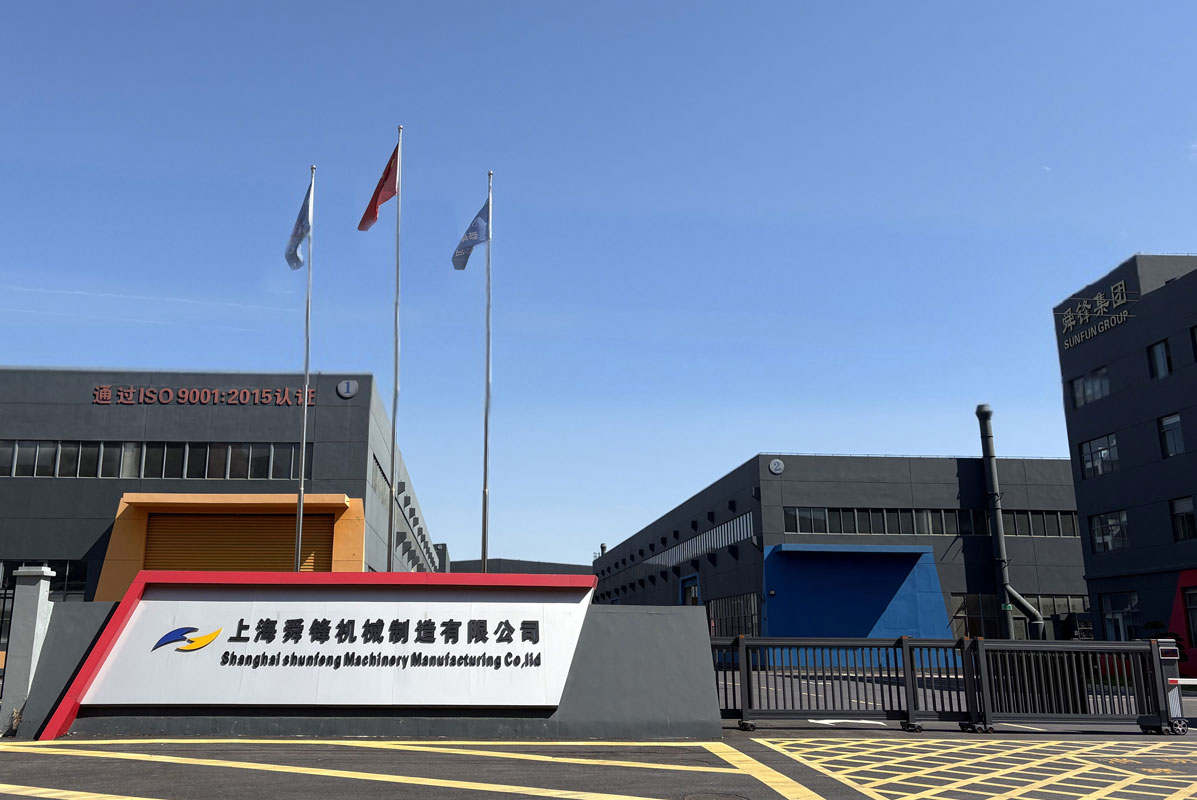
Vacuum valve service intervals in semiconductor fabrication facilities depend on valve type, operating conditions, process chemistry, and duty cycle. Unlike general industrial applications with fixed maintenance schedules, semiconductor fabs require condition‑based service programmes that account for the demanding operating environments of plasma etching, deposition, and ion implantation processes. SUNFUN Group, with four decades of precision manufacturing experience, produces vacuum valves designed for serviceability, applying intelligent process management to ensure consistent quality across the valve product line.
Product Category 1: Gate Valves for Semiconductor Processing
Definition and Positioning
Gate valves are widely used in semiconductor fabrication to isolate process chambers from pumping systems and to separate different vacuum zones within cluster tools. These valves use a gate mechanism that moves perpendicular to the flow path, providing full‑bore conductance when open and positive sealing when closed. SUNFUN Group manufactures gate valves in configurations suitable for semiconductor applications, including slit‑type gate valves for wafer transfer and pendulum gate valves for large‑diameter process chambers. As industrial vacuum valves, gate valves serve as critical isolation elements in semiconductor manufacturing systems.
Core Functions and Technical Features
Gate valves in semiconductor fabs perform isolation functions under demanding conditions. The gate mechanism must maintain alignment and sealing integrity through thousands of actuation cycles while withstanding exposure to reactive process gases and plasma environments. Valve bodies and gates are typically manufactured from 316L stainless steel with surface finishes that minimize particle generation. Sealing systems incorporate elastomer or metal seals, with metal seals preferred for high‑temperature or aggressive chemistry applications. Actuation may be pneumatic or electric, with position sensors providing feedback for process control systems.
Gate valve designs for semiconductor applications address specific performance requirements. Slit‑type gate valves are optimized for wafer transfer applications with limited space between chambers. Pendulum gate valves accommodate large chamber ports with full‑diameter conductance. The valve geometry is designed to minimize particle generation during opening and closing, with features that trap and remove particles that may be generated during actuation. SUNFUN Group's vacuum system valves incorporate these design principles to meet the stringent requirements of semiconductor manufacturing.
Typical Application Scenarios
Gate valves are specified throughout semiconductor fabrication equipment. Transfer chambers use gate valves to isolate different processing modules while maintaining vacuum integrity. Process chambers use gate valves to separate the chamber from the pumping system during wafer processing. Load lock systems incorporate gate valves to isolate the load lock from the transfer module during pump‑down and venting cycles.
Differentiation from Other Valve Types
Gate valves are distinguished from other valve types by their straight‑through flow path and positive sealing capability. Unlike angle valves or butterfly valves, gate valves maintain full conductance when open, making them suitable for applications where pumping speed must not be compromised.
SUNFUN Group's Manufacturing Capabilities
SUNFUN Group's gate valve production applies precision machining and quality control appropriate for semiconductor applications. Our in‑house institute and talent academy provide technical expertise in gate valve design and manufacturing. Our accredited technology enterprise status—demonstrated through completion of national‑level R&D tasks and projects commissioned by the NDRC, MOST, and MIIT—supports quality systems for vacuum chamber valves.
Gate Valve Specifications
- Types: Slit‑type, pendulum, rectangular, circular
- Materials: 316L stainless steel with passivated surfaces
- Seals: Elastomer or metal for process compatibility
- Actuation: Pneumatic or electric, with position feedback
- Cycle life: >1,000,000 cycles with appropriate service
- Conductance: Full‑bore when open
Product Category 2: Angle Valves and Inline Valves
Definition and Positioning
Angle valves and inline valves are used in semiconductor vacuum systems for pumping line isolation, roughing line control, and gas introduction applications. These valves feature a 90° or straight flow path with a sealing mechanism that can be bellows‑sealed or stem‑sealed depending on the application. SUNFUN Group manufactures angle and inline valves with configurations optimized for semiconductor applications, including variants with pneumatic and manual actuation. These products serve as high vacuum valves for general vacuum system control.
Core Functions and Technical Features
Angle valves in semiconductor vacuum systems perform primary isolation and control functions. The valve design incorporates a sealing mechanism—typically a poppet or plate—that is moved into position by a stem. Bellows sealing isolates the actuation mechanism from the vacuum environment, eliminating dynamic seal leakage. Valve bodies are manufactured from stainless steel with surface finishes appropriate for vacuum applications. Seals are selected for compatibility with the specific process chemistry and operating conditions. Valve conductance is optimized for the intended application, with conductance determined by port size and valve geometry.
Inline valves maintain the flow path orientation, with the sealing mechanism positioned in the flow path. These valves are used where direct‑flow isolation is required. Actuation can be manual for applications requiring infrequent operation or pneumatic for automated system control. Position indicators provide feedback for system control. These vacuum system valves support pump isolation, vent control, and process gas introduction in semiconductor applications.
Typical Application Scenarios
Angle and inline valves serve multiple functions in semiconductor vacuum systems. Roughing line valves isolate the roughing pump from the process chamber during high‑vacuum pumping. Vent valves control the introduction of purge gases. Process gas introduction lines use angle or inline valves for precise gas flow control. Load lock and transfer systems use these valves for isolation and pressure control.
Differentiation from Gate Valves
Angle and inline valves are distinguished from gate valves by their sealing mechanism and flow path characteristics. Gate valves provide full‑bore conductance suitable for main pumping lines, while angle and inline valves offer more compact designs for general control applications. The sealing mechanism—poppet or plate—provides positive sealing for isolation applications where full conductance is not required.
SUNFUN Group's Valve Manufacturing
SUNFUN Group manufactures angle and inline valves with attention to dimensional accuracy and surface quality. Our precision machining capability supports the production of valve bodies with consistent internal geometry. Our in‑house institute provides engineering support for valve design and application. Through our open innovation ecosystem, established in partnership with governments, enterprises, universities, and institutions, we maintain knowledge of semiconductor process requirements for industrial vacuum valves.
Angle Valve Specifications
- Types: Angle (90°), inline (straight)
- Materials: 316L stainless steel standard
- Sealing: Bellows or stem seal
- Port sizes: DN 10 to DN 100 standard
- Actuation: Manual, pneumatic, or electric
- Applications: Isolation, vent control, gas introduction
Product Category 3: Gate Valve Service and Maintenance Requirements
Definition and Positioning
Gate valve service and maintenance requirements in semiconductor fabs vary significantly from general industrial applications. The demanding process environment—including reactive gases, plasma exposure, and thermal cycling—requires more frequent service intervals and specialized maintenance procedures. SUNFUN Group's gate valves are designed for serviceability, with features that facilitate inspection, cleaning, and component replacement. These vacuum chamber valves are engineered to support the maintenance requirements of semiconductor fabrication facilities.
Core Functions and Technical Features
The service requirements for semiconductor gate valves are determined by multiple factors. Process chemistry affects seal and component life, with halogen‑based chemistries being particularly aggressive. Valve actuation frequency determines wear on seals and moving components. Thermal cycling during bakeout and normal operation stresses materials and seals. The valve design must support access for inspection and component replacement while maintaining alignment and sealing performance.
Service intervals for semiconductor gate valves typically range from six months to two years, depending on the specific application and operating conditions. Routine maintenance includes seal inspection and replacement, internal surface cleaning, mechanism lubrication, and leak testing. SUNFUN Group's valve designs incorporate features such as accessible seal locations, serviceable guide mechanisms, and replaceable sealing surfaces to support these maintenance procedures. Our vacuum system valves are manufactured with tolerances that maintain performance through multiple service cycles.
Typical Application Scenarios
Gate valve maintenance is scheduled based on process requirements and equipment operation. Valves on aggressive etch processes may require service every six months, while valves on less demanding applications may operate for two years between services. Preventive maintenance programmes include scheduled inspections, seal replacement, and performance verification.
Differentiation from General Industrial Valves
Semiconductor gate valve service requirements differ from general industrial valves in frequency and complexity. General industrial valves may operate for years with minimal maintenance, while semiconductor valves require regular service due to the demanding process environment. The service procedures for semiconductor valves are specialized, requiring cleanroom practices and process‑specific knowledge.
SUNFUN Group's Service Support
SUNFUN Group provides technical support for valve maintenance and service planning, leveraging our expertise in vacuum valve design and manufacturing. Our in‑house institute and talent academy contribute to understanding of valve wear mechanisms and service requirements.
Key Specifications Comparison
| Parameter |
Gate Valves |
Angle Valves |
Inline Valves |
| Primary application |
Process chamber isolation |
Pumping line control |
Straight‑path control |
| Typical service interval |
6‑24 months |
12‑36 months |
12‑36 months |
| Common service items |
Seals, gate mechanism, lubrication |
Seals, bellows |
Seals, stem |
| Service complexity |
High |
Moderate |
Moderate |
| Design for serviceability |
Accessible seals, replaceable surfaces |
Serviceable bellows |
Serviceable seals |
Vacuum valve service intervals in semiconductor fabs depend on valve type, process environment, and operating conditions. Gate valves typically require service every six to twenty‑four months, while angle and inline valves may operate for twelve to thirty‑six months between services. SUNFUN Group manufactures vacuum valves designed for serviceability, applying precision machining and quality control developed over four decades of experience. Our valve designs incorporate features that facilitate inspection, cleaning, and component replacement, supporting the maintenance programmes required for semiconductor manufacturing. Through our in‑house institute, talent academy, and open innovation ecosystem—established in partnership with governments, enterprises, universities, and institutions—SUNFUN Group maintains the technical expertise required for high vacuum valves in demanding semiconductor applications.
Frequently Asked Questions
Q1: What factors determine the service interval for semiconductor vacuum valves?
Service intervals are determined by process chemistry (aggressive gases reduce seal life), actuation frequency (more cycles increase wear), thermal exposure (bakeout cycles stress materials), and duty cycle (continuous operation vs. intermittent use). Industrial vacuum valves in aggressive processes typically require more frequent service.
Q2: What are the warning signs that a vacuum valve requires servicing?
Warning signs include increased pressure during isolation, slower pump‑down times, visible particle generation, leaks detected during helium testing, unusual noise during actuation, and process deviations traceable to valve performance. Vacuum system valves exhibiting these signs should be serviced promptly.
Q3: Can vacuum valve maintenance be performed in the fab, or must valves be sent to a service facility?
Basic maintenance—including seal replacement and cleaning—can be performed in the fab with appropriate training and cleanroom procedures. Major overhaul and reconditioning typically requires factory service or specialized repair facilities. Vacuum chamber valves are designed to support both field and factory service.
Q4: What quality controls apply to SUNFUN Group's vacuum valve manufacturing?
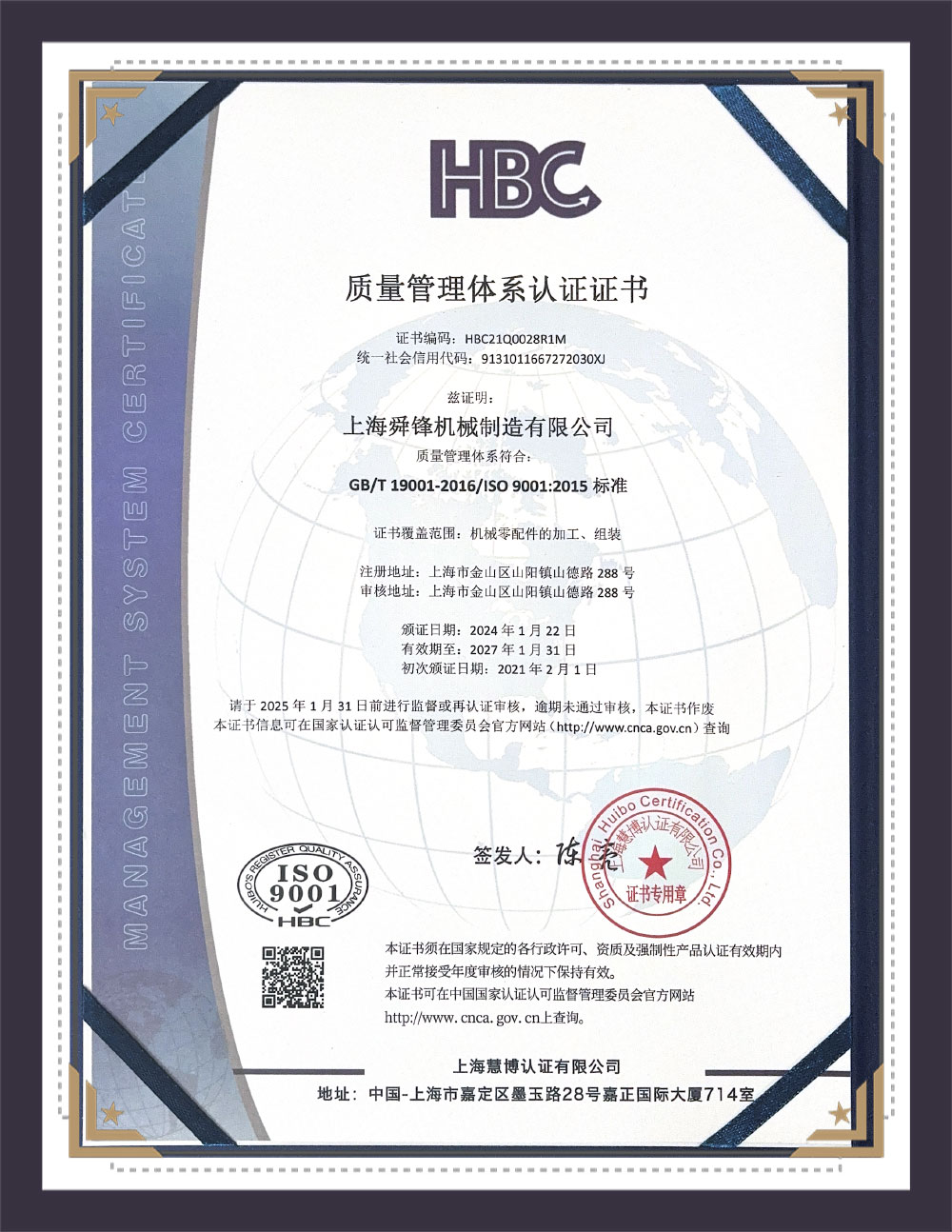
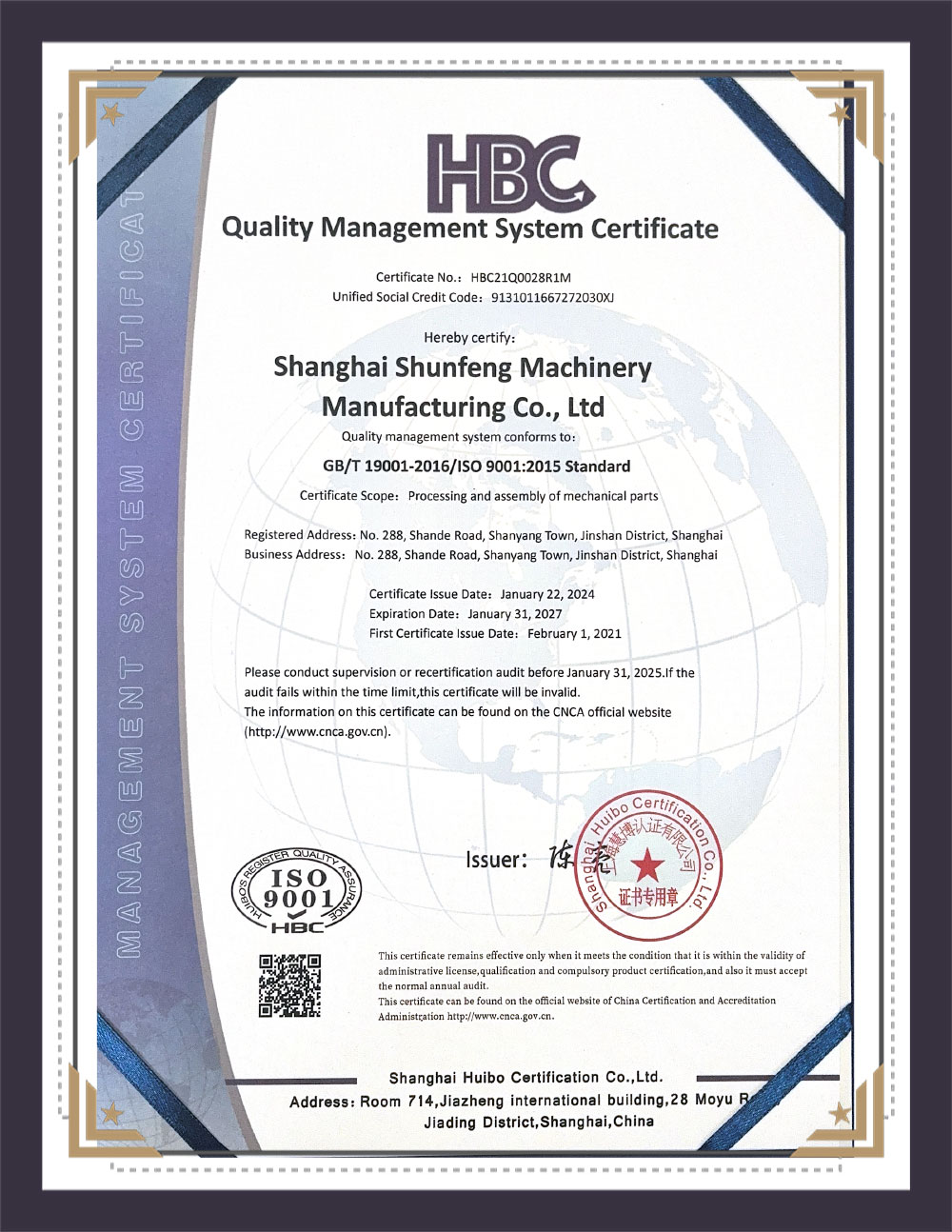
SUNFUN Group applies material certification, dimensional verification, surface finish measurement, and leak testing to all vacuum valve production. Our accredited technology enterprise status supports comprehensive quality systems for high vacuum valves, ensuring consistent valve performance for semiconductor manufacturing.


 English
 日本語
日本語
 عربى
عربى
 中文简体
中文简体