Why are silicon carbide components preferred for high‑temperature semiconductor processes?
Silicon carbide components are preferred for high‑temperature semiconductor processes because they combine exceptional thermal stability, chemical inertness, high thermal conductivity, and mechanical strength at elevated temperatures—properties that conventional materials such as quartz, silicon, and alumina cannot match. These characteristics make SiC the material of choice for wafer handling, process chamber components, and susceptors in high‑temperature deposition, etching, and annealing operations. SUNFUN Group has been manufacturing precision SiC components since 1986, applying advanced machining capabilities to produce parts that meet the demanding requirements of high‑temperature semiconductor processing.
Product Category 1: SiC Susceptors and Wafer Handling Components
Definition and Positioning
SiC susceptors and wafer handling components are critical parts used in high‑temperature semiconductor processes including MOCVD, epitaxial growth, and high‑temperature annealing. These components support and position wafers during processing, maintaining dimensional stability and cleanliness at temperatures exceeding 1,000 °C. SUNFUN Group manufactures precision SiC susceptors with complex geometries, applying precision machining to achieve the flatness and surface finish required for uniform wafer heating. As silicon carbide components, these parts enable consistent process results in high‑temperature applications.
Core Functions and Technical Features
SiC susceptors function by providing a stable, thermally conductive platform for wafer support during high‑temperature processing. The susceptor must maintain its shape and dimensional accuracy through repeated thermal cycles, with minimal thermal expansion mismatch to the wafer material. SiC's high thermal conductivity—approximately three times that of alumina—enables uniform heat distribution across the wafer surface, critical for achieving consistent film deposition and layer quality.
The design of SiC susceptors addresses the challenges of high‑temperature operation—including thermal stress management, gas flow distribution, and contamination control. Susceptor geometries may include complex cooling channel configurations for temperature control, pocket features for wafer positioning, and surface texturing for optimized gas flow. SUNFUN Group's SiC susceptors are manufactured with precision that supports uniform heating and consistent process results. These SiC ceramic parts are essential for high‑temperature semiconductor manufacturing.
Typical Application Scenarios
SiC susceptors are used in high‑temperature semiconductor processes including MOCVD for GaN and SiC epitaxy, silicon epitaxial growth, and high‑temperature annealing. SiC wafer handling components—including end effectors and transfer blades—are used in high‑temperature wafer transfer operations within process equipment.
Differentiation from Other Materials
SiC susceptors are distinguished from graphite or quartz susceptors by their higher thermal conductivity, better chemical resistance, and superior mechanical stability at high temperatures. SiC also provides cleaner processing with reduced particle generation compared to graphite.
SUNFUN Group's Manufacturing Capabilities
SUNFUN Group's SiC susceptor production applies precision machining and quality control appropriate for semiconductor applications. Our 0.001‑mm precision machining ensures that susceptor surfaces meet flatness and dimensional requirements for uniform heating and consistent process results. Through our open innovation ecosystem, established in partnership with governments, enterprises, universities, and institutions, we maintain knowledge of evolving high‑temperature process requirements for silicon carbide (SiC) ceramic parts.
SiC Susceptor Specifications
- Operating temperature: Up to 1,200 °C
- Thermal conductivity: ~120 W/m·K
- Flatness: ≤ 10 µm across wafer area
- Surface finish: Ra ≤ 0.8 µm
- Purity: ≥ 99.9 % SiC
- Wafer sizes: 100‑300 mm
Product Category 2: SiC Process Chamber Components
Definition and Positioning
SiC process chamber components—including liners, shields, heaters, and gas distribution plates—are critical parts that define the process environment in high‑temperature semiconductor equipment. These components provide thermal insulation, process gas distribution, and contamination control in extreme conditions where alternative materials would degrade or contaminate the process. SUNFUN Group manufactures precision SiC chamber components with complex geometries and tight tolerances. These silicon carbide components enable reliable process performance in demanding high‑temperature applications.
Core Functions and Technical Features
SiC chamber components function by defining the thermal and chemical environment within the process chamber. Liners and shields provide thermal insulation and protect chamber walls from process deposition. Gas distribution plates ensure uniform precursor delivery across the wafer surface. Heater components provide precise temperature control at high temperatures. SiC's high thermal conductivity ensures efficient heat transfer in heater applications, while its chemical inertness prevents contamination of the process environment.
The design of SiC chamber components addresses the challenges of high‑temperature operation—including thermal expansion management, process gas distribution, and contamination control. Components must maintain dimensional stability through thermal cycling, with geometries designed to accommodate thermal expansion without stress. Surface finishes are controlled to minimize particle generation and gas adsorption. SUNFUN Group's SiC chamber components are manufactured with the precision required for reliable high‑temperature processing. These SiC ceramic parts are essential for process integrity in high‑temperature applications.
Typical Application Scenarios
SiC chamber components are used in high‑temperature semiconductor processing equipment including MOCVD systems, high‑temperature CVD systems, and epitaxial reactors. SiC liners and shields protect chamber walls from deposition and enable cleaner processing. SiC heaters provide high‑temperature capability with minimal contamination.
Differentiation from Other Materials
SiC chamber components are distinguished from quartz, alumina, and graphite components by their combination of high‑temperature stability, chemical inertness, thermal conductivity, and mechanical strength. SiC outperforms quartz at high temperatures and provides cleaner processing than graphite.
SUNFUN Group's Manufacturing Capabilities
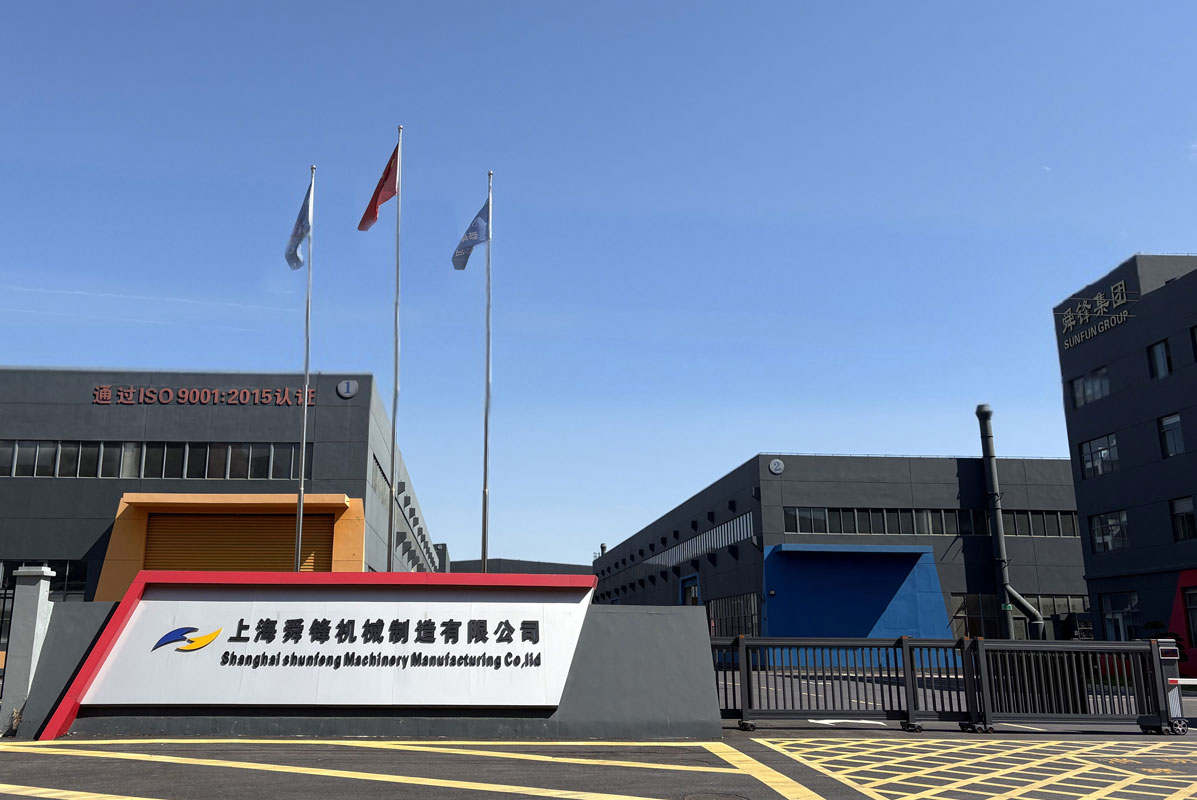
SUNFUN Group's SiC chamber component production applies precision machining and quality control appropriate for semiconductor applications. Our in‑house institute and talent academy provide technical expertise in SiC component design and manufacturing. Our accredited technology enterprise status—demonstrated through national‑level R&D tasks and projects commissioned by the NDRC, MOST, and MIIT—supports quality systems for silicon carbide (SiC) ceramic parts.
SiC Chamber Component Specifications
- Operating temperature: Up to 1,200 °C
- Chemical resistance: Excellent against halogens
- Thermal conductivity: ~120‑150 W/m·K
- Purity: ≥ 99.9 % SiC
- Surface finish: Ra ≤ 0.8 µm
- Applications: Liners, shields, heaters, gas distribution
Product Category 3: SiC Consumables and Wear Parts
Definition and Positioning
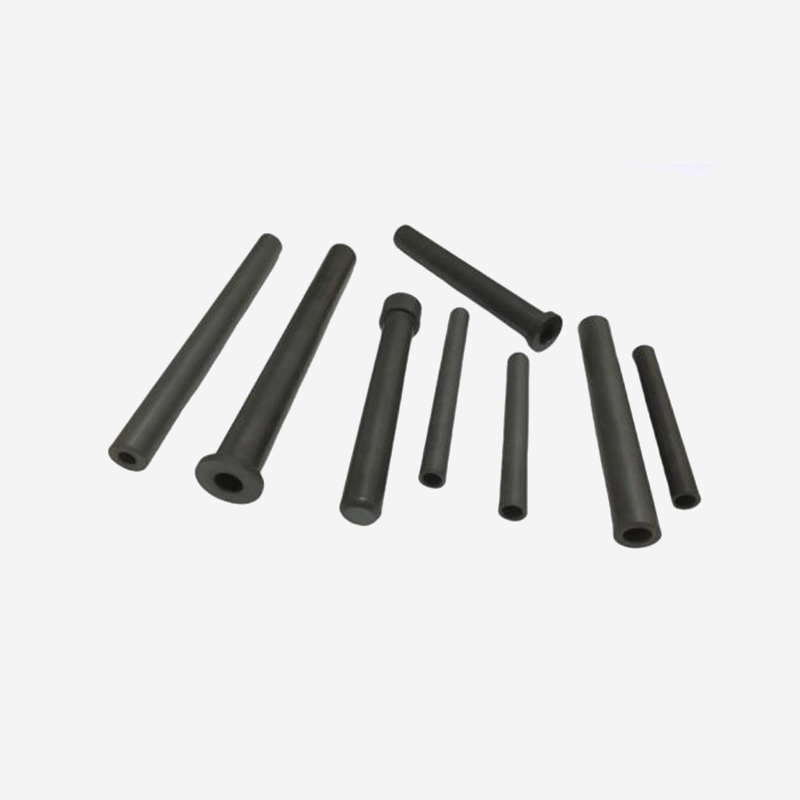
SiC consumables and wear parts include components that require periodic replacement due to process exposure and wear—including wafer handling paddles, susceptor rings, and process kit components. These parts are essential for maintaining process cleanliness and performance in high‑temperature semiconductor applications. SUNFUN Group manufactures SiC consumables with precision that supports consistent process performance and extended service life. These silicon carbide components provide reliable performance in demanding applications.
Core Functions and Technical Features
SiC consumables function as replaceable components that maintain process cleanliness and protect more expensive chamber components from deposition and wear. Wafer handling paddles contact wafers during transfer, requiring low particle generation and high cleanliness. Susceptor rings position and support susceptors, requiring dimensional stability and low contamination. Process kit components protect chamber walls from deposition, enabling cleaner process environments.
The design of SiC consumables addresses the need for clean, reliable operation with appropriate service life. Components are designed for easy replacement with minimal process interruption. Surface finishes are optimized to minimize particle generation and prevent contamination. SUNFUN Group's SiC consumables are manufactured with the precision required for clean, reliable operation in high‑temperature processes. These SiC ceramic parts are essential for maintaining process cleanliness and performance in high‑temperature semiconductor manufacturing.
Typical Application Scenarios
SiC consumables are used across all high‑temperature semiconductor processes—including MOCVD, epitaxial growth, and high‑temperature annealing. SiC paddles and end effectors handle wafers at elevated temperatures. SiC susceptor rings provide positioning and support for wafer processing.
Differentiation from Other Consumables
SiC consumables are distinguished from quartz, alumina, and graphite consumables by their high‑temperature stability, chemical inertness, and cleanliness. SiC consumables provide longer service life and cleaner performance in high‑temperature applications.
SUNFUN Group's Manufacturing Capabilities
SUNFUN Group manufactures SiC consumables with the precision required for high‑temperature semiconductor applications. Through our open innovation ecosystem, we maintain knowledge of evolving consumable requirements for silicon carbide components.
Key Specifications Comparison
| Parameter |
SiC |
Quartz |
Graphite |
| Max operating temperature |
1,200 °C+ |
1,100 °C |
2,000 °C+ (requires coating) |
| Thermal conductivity (W/m·K) |
120‑150 |
1.5 |
100‑150 (anisotropic) |
| Chemical resistance |
Excellent |
Limited by halogens |
Requires coating |
| Particle generation |
Low |
Moderate |
High (uncoated) |
| Thermal expansion matching |
Good for SiC/Si |
Poor for SiC/Si |
Moderate |
| Typical applications |
MOCVD, epitaxy, annealing |
Low‑temp CVD, cleaning |
Heating, high‑temp (coated) |
Silicon carbide components are preferred for high‑temperature semiconductor processes because they combine exceptional thermal stability, chemical inertness, high thermal conductivity, and mechanical strength—properties that enable reliable processing at temperatures exceeding 1,000 °C. SUNFUN Group manufactures precision SiC components for high‑temperature semiconductor applications—including susceptors, chamber components, and consumables—applying precision machining and quality control developed over four decades of experience. Our 0.001‑mm precision machining ensures that SiC components meet the dimensional and surface quality requirements for consistent high‑temperature processing. Through our in‑house institute, talent academy, and open innovation ecosystem—established in partnership with governments, enterprises, universities, and institutions—SUNFUN Group maintains the technical expertise required for silicon carbide (SiC) ceramic parts that deliver reliable performance in the most demanding high‑temperature semiconductor processes.
Frequently Asked Questions
Q1: Why is SiC preferred over graphite for high‑temperature semiconductor processes?
SiC is preferred over graphite because it does not require coating to prevent particle generation and contamination. Graphite components must be coated with SiC or other materials to prevent carbon contamination, while SiC components are inherently clean. Silicon carbide components also provide better thermal conductivity and chemical resistance than coated graphite.
Q2: What temperature range can SiC components withstand?
SiC components can withstand operating temperatures up to 1,200 °C and higher in inert or reducing environments. The specific temperature capability depends on the component design, application environment, and thermal cycling requirements. SiC ceramic parts are designed for the extreme temperatures of high‑temperature semiconductor processing.
Q3: How does SiC compare to alumina (Al₂O₃) for semiconductor processing?
SiC offers significantly higher thermal conductivity (120‑150 W/m·K) compared to alumina (~25‑30 W/m·K), enabling more uniform heat distribution and improved process uniformity. SiC also offers better thermal shock resistance and comparable chemical inertness. Silicon carbide (SiC) ceramic parts are preferred for applications requiring efficient heat transfer and uniform temperature distribution.
Q4: What quality controls apply to SUNFUN Group's SiC component manufacturing?
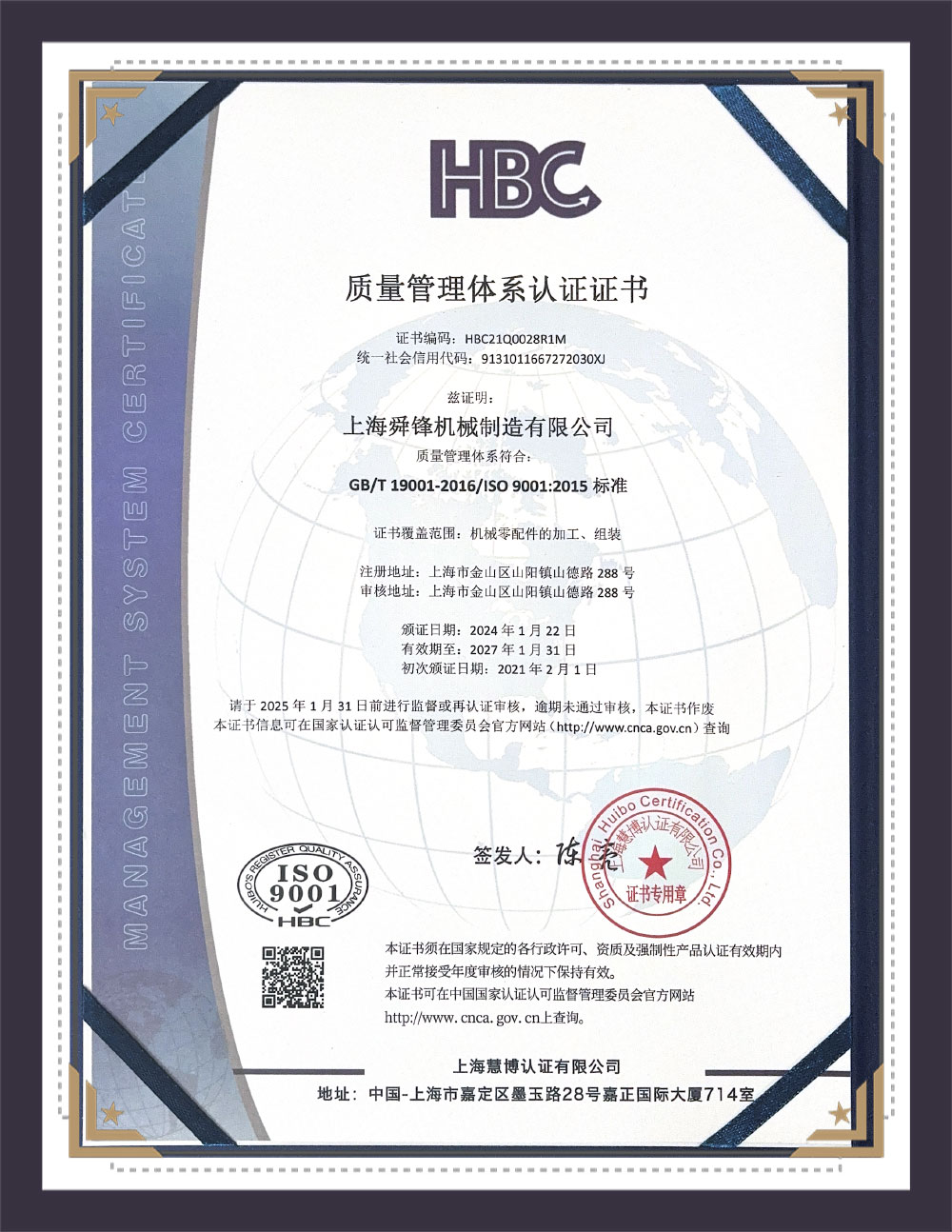
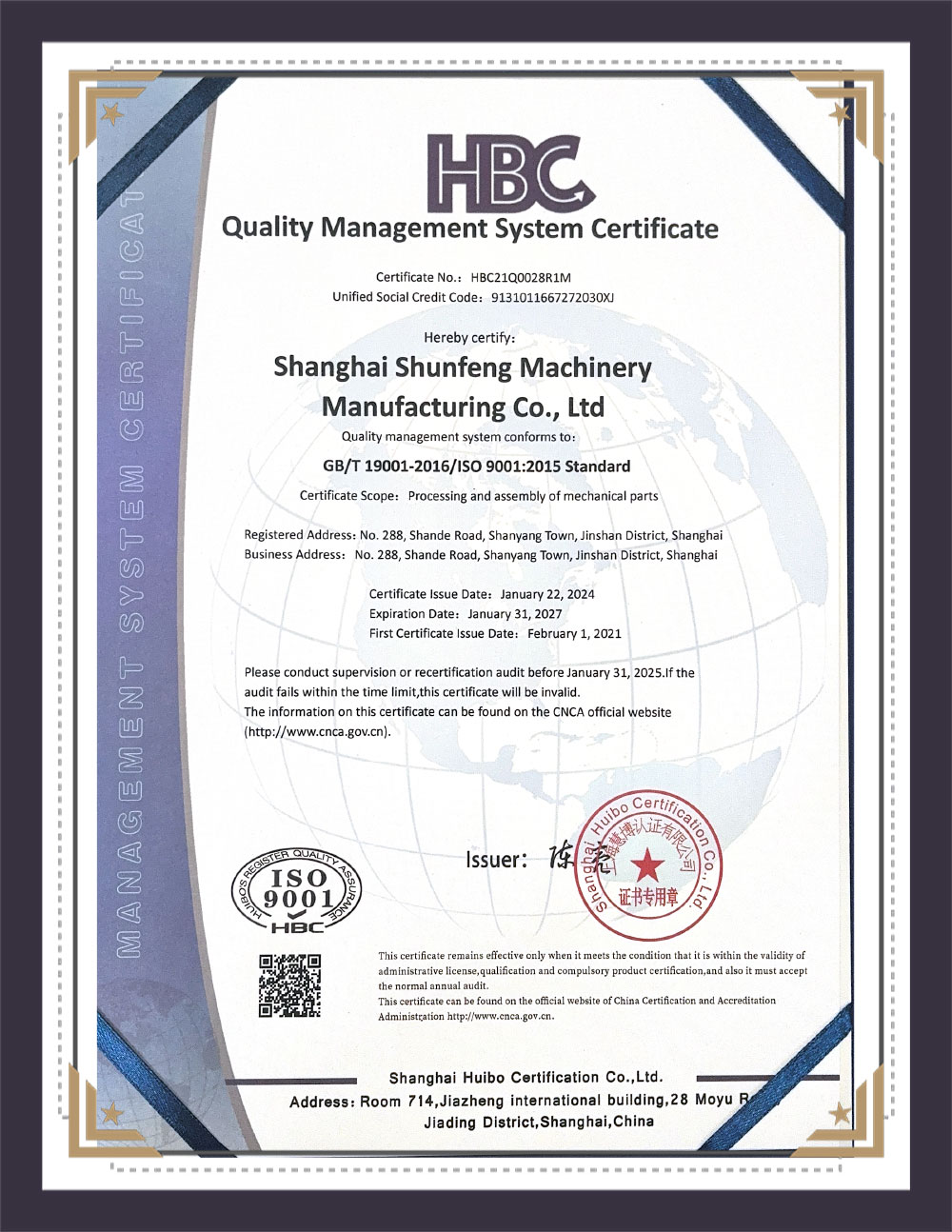
SUNFUN Group applies material certification, density measurement, dimensional verification, surface finish measurement, and cleanliness inspection to all SiC component production. Our accredited technology enterprise status supports comprehensive quality systems for silicon carbide components, ensuring consistent component quality and reliable high‑temperature processing performance.


 English
 日本語
日本語
 عربى
عربى
 中文简体
中文简体