What is the maximum operating temperature for high vacuum flanges?
The maximum operating temperature of high vacuum flanges is not a single fixed value but depends on flange design, sealing method, flange material, and application‑specific requirements. Standard elastomer‑sealed flanges typically operate up to 150‑200 °C, while all‑metal sealed UHV flanges can withstand bakeout temperatures up to 450 °C. SUNFUN Group, with four decades of precision manufacturing experience, produces flanges across this entire temperature range—from standard quick‑release connections to high‑temperature UHV flanges—applying materials and manufacturing processes appropriate for each application.
Product Category 1: Standard Elastomer‑Sealed Flanges
Definition and Positioning
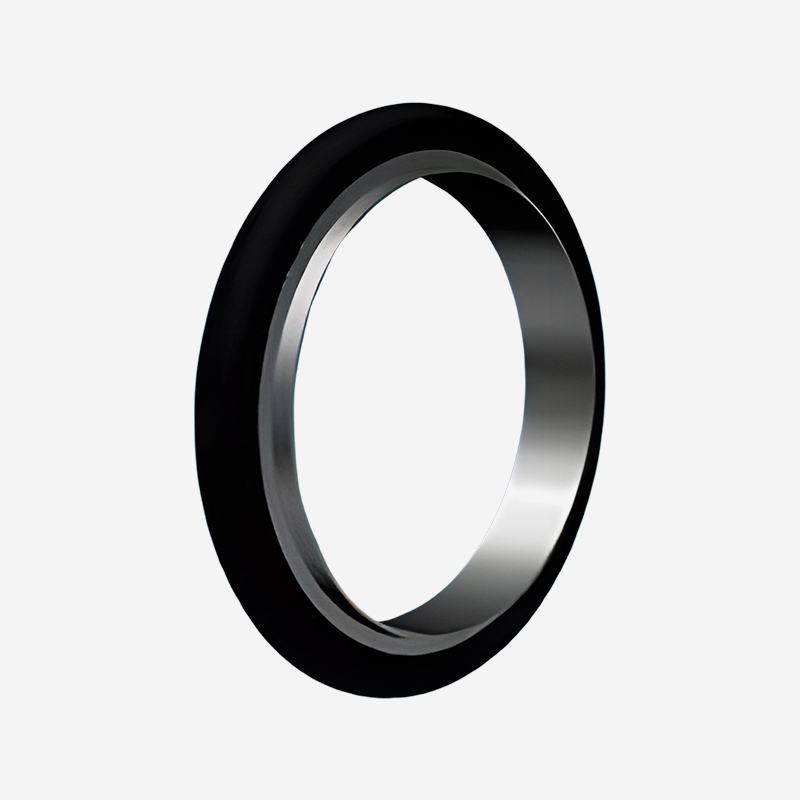
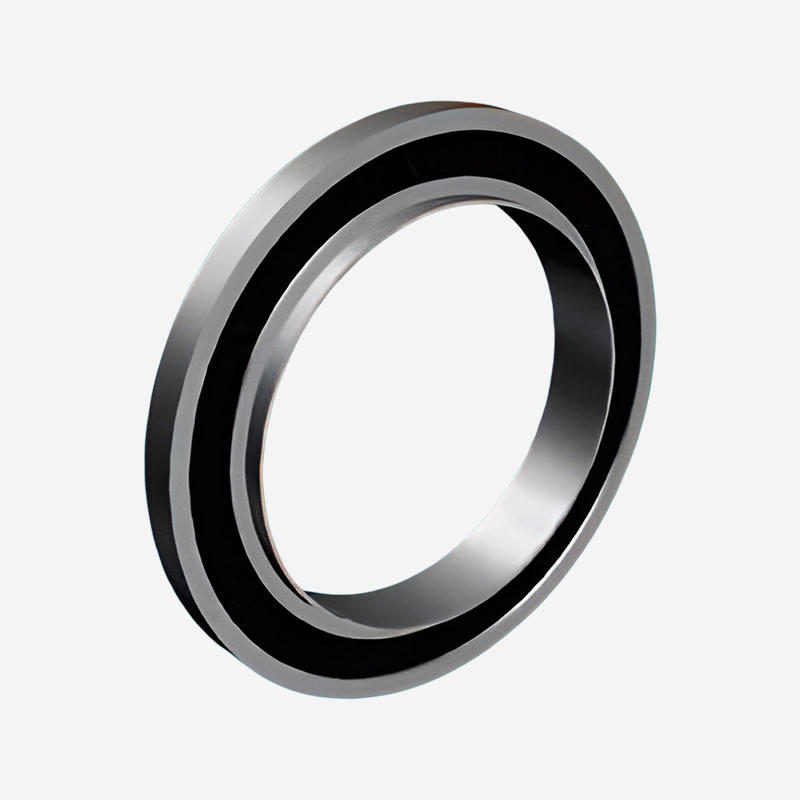
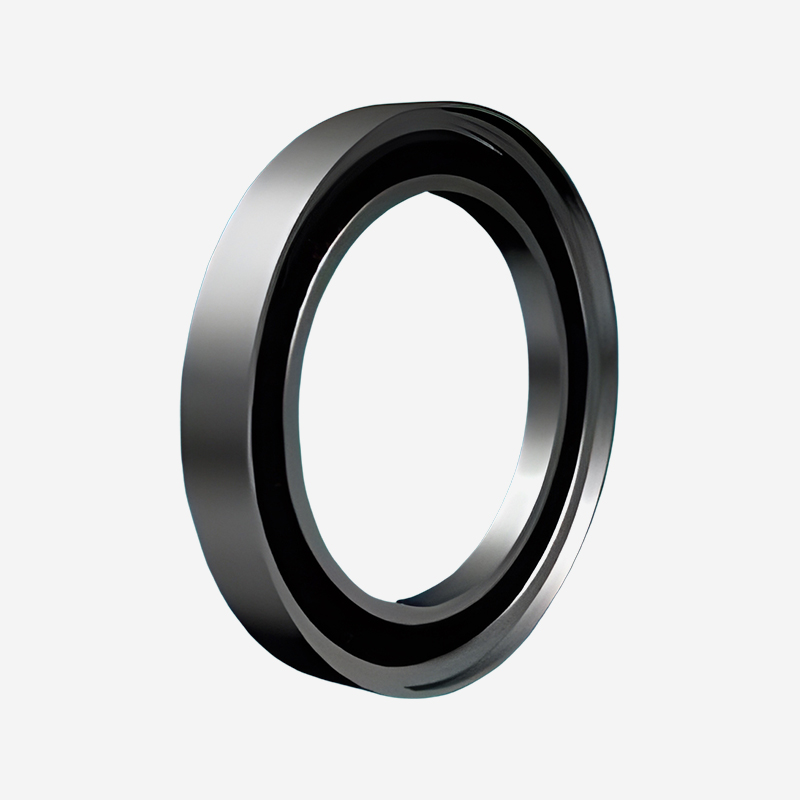
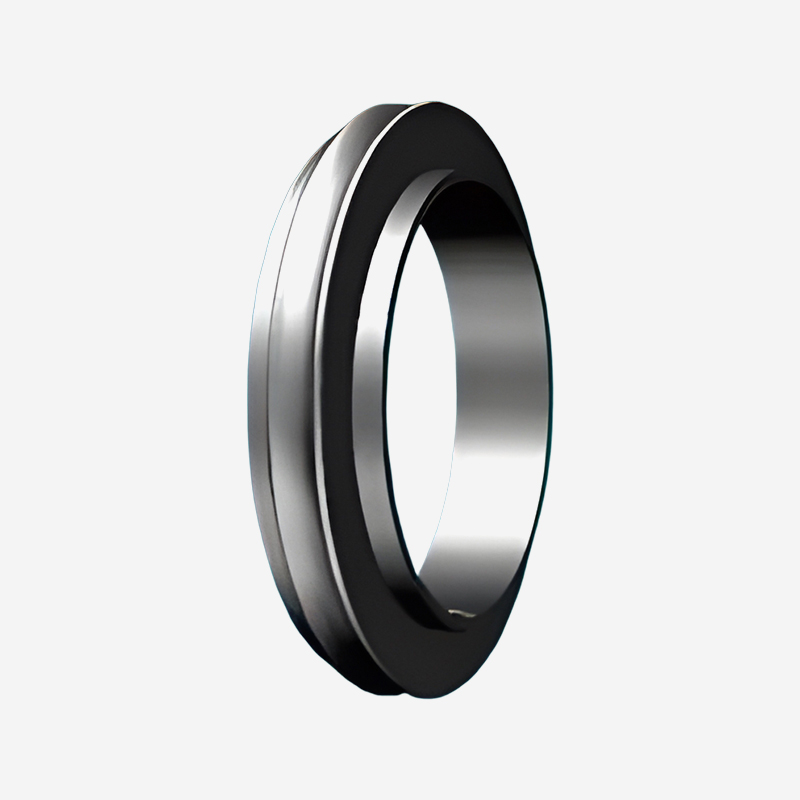
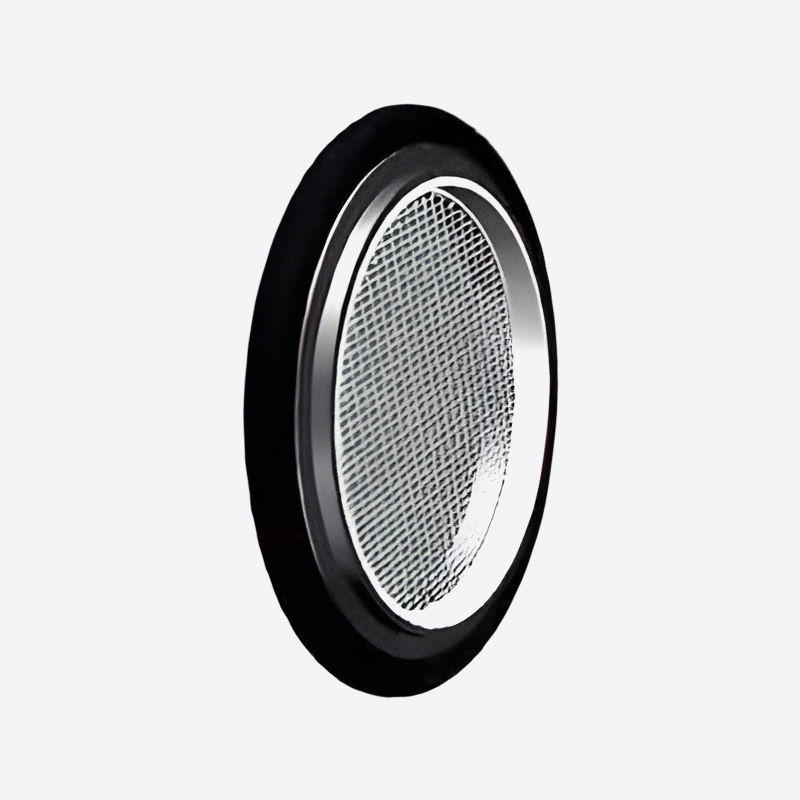
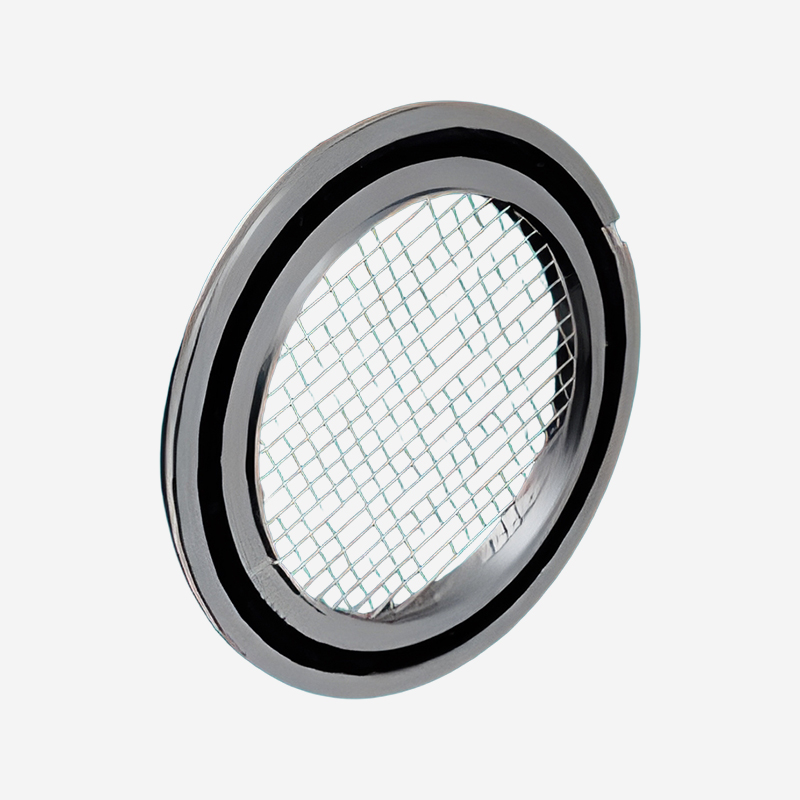
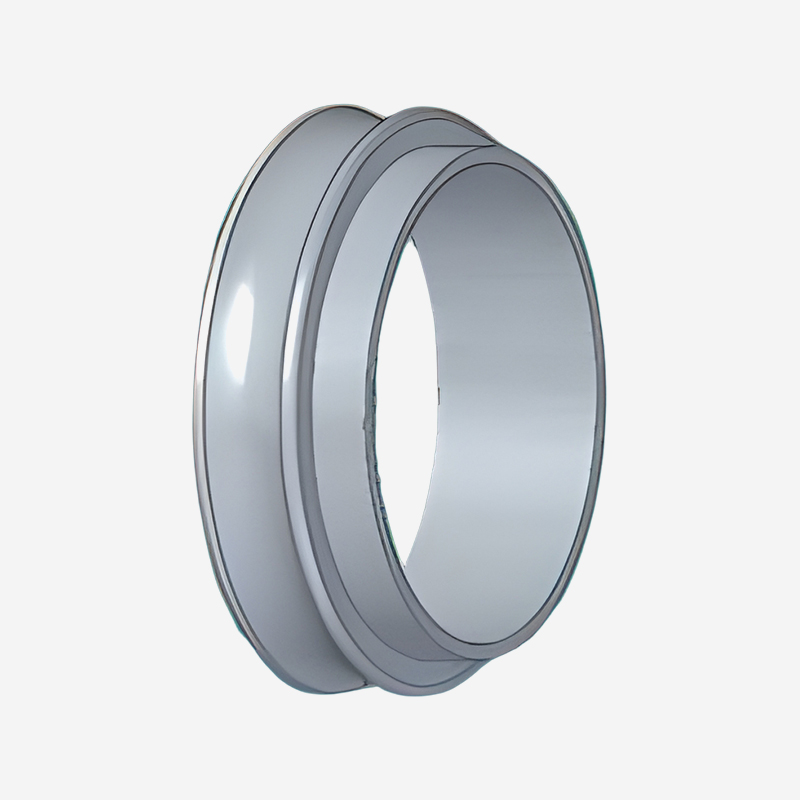
Standard elastomer‑sealed flanges—including KF, NW, ISO, and JIS types—are designed for vacuum applications operating at moderate temperatures. These flanges use elastomer O‑rings as sealing elements, with the maximum operating temperature determined primarily by the seal material. SUNFUN Group manufactures these flanges from stainless steel with precision‑machined sealing surfaces, producing quick flange components that provide reliable sealing at temperatures up to the limits of the chosen elastomer material.
Core Functions and Technical Features
The maximum operating temperature for elastomer‑sealed flanges is governed by the thermal stability of the O‑ring material. Standard NBR seals are typically limited to 100‑120 °C, while FKM seals can operate up to 200 °C in intermittent service. Specialty elastomers such as FFKM can extend the range to 250‑300 °C. The flange body material—typically 304 or 316L stainless steel—can withstand substantially higher temperatures, but the elastomer seal represents the temperature limitation. The flange design, including the groove geometry and clamping mechanism, must accommodate thermal expansion differences between the flange material and the seal, ensuring consistent seal compression across the operating temperature range.
Proper installation and operation within the specified temperature range is essential for maintaining sealing performance and flange integrity. Exceeding the rated temperature of the elastomer seal can result in permanent deformation, loss of seal compression, or degradation of sealing performance. SUNFUN Group's quick release vacuum fittings are designed with appropriate groove dimensions and material selection to support reliable operation across the specified temperature range, with quality control procedures that include dimensional verification and surface finish measurement.
Typical Application Scenarios
Elastomer‑sealed flanges are used in applications where operating temperatures remain below the thermal limits of the seal material. Research laboratories typically operate vacuum systems at ambient temperature or up to 150 °C for bakeout procedures. Semiconductor support equipment uses elastomer‑sealed flanges for connections that operate at moderate temperatures. Industrial vacuum systems for coating, drying, and packaging generally operate at temperatures well within the limits of standard elastomer seals.
Differentiation from High‑Temperature Systems
Standard elastomer‑sealed flanges are distinguished from high‑temperature vacuum systems by their temperature limitations. While the flange itself can withstand higher temperatures, the elastomer seal determines the practical maximum operating temperature. For applications requiring bakeout above 200 °C or continuous operation at elevated temperatures, all‑metal sealed flanges are required. This distinction applies to all high vacuum flanges that rely on elastomer sealing.
SUNFUN Group's Manufacturing Capabilities
SUNFUN Group's elastomer‑sealed flange production applies precision machining capabilities developed over four decades. Our 0.001‑mm precision machining ensures groove dimensions maintain correct seal compression across the operating temperature range. Our in‑house institute and talent academy provide technical expertise in seal material selection and groove design. Our accredited technology enterprise status—demonstrated through national‑level R&D tasks and projects commissioned by the NDRC, MOST, and MIIT—supports quality systems that ensure consistent flange production.
Temperature Specifications
- NBR (nitrile): Up to 120 °C
- FKM (fluorocarbon): Up to 200 °C
- FFKM (perfluoroelastomer): Up to 300 °C
- VMQ (silicone): Up to 200 °C
- EPDM: Up to 150 °C
- Flange body (stainless steel): Exceeds seal temperature limits
Product Category 2: All‑Metal Sealed UHV Flanges
Definition and Positioning
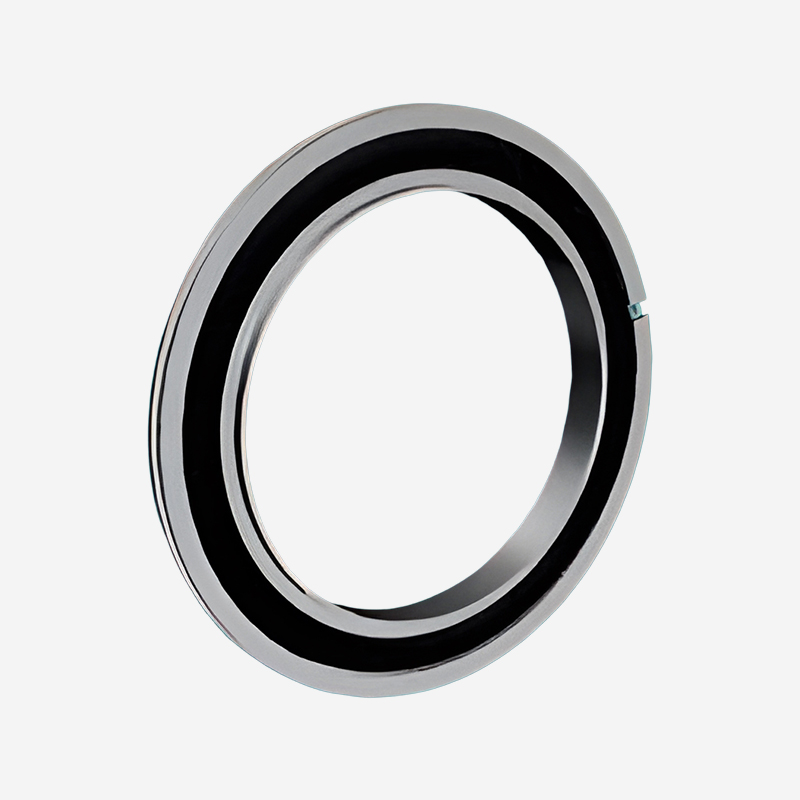
All‑metal sealed flanges—primarily ConFlat (CF) type—are designed for ultra‑high vacuum applications requiring bakeout temperatures up to 450 °C. These flanges use metal gaskets (typically copper or aluminum) that deform during installation to create a leak‑tight seal that survives repeated thermal cycling. High vacuum flanges in the all‑metal configuration are standard for applications requiring bakeout temperatures above the limits of elastomer seals.
Core Functions and Technical Features
All‑metal sealed flanges achieve their temperature capability through the use of metal gaskets that maintain sealing integrity at temperatures far exceeding elastomer limits. The CF flange design uses a knife‑edge sealing surface that deforms the metal gasket during assembly, creating a leak‑tight seal. The flange body is manufactured from stainless steel grades selected for thermal stability and corrosion resistance. The knife‑edge surface must maintain its geometry through repeated assembly cycles and thermal cycling, requiring precision machining and appropriate material selection.
The maximum operating temperature for all‑metal sealed flanges is determined by the gasket material and the thermal stability of the flange material. Copper gaskets are typically rated for bakeout to 450 °C, while aluminum gaskets may have slightly lower limits. The flange body can withstand these temperatures without deformation when properly designed and manufactured. CF flanges are designed to maintain sealing integrity through repeated bakeout cycles, with the flange geometry accommodating thermal expansion while maintaining knife‑edge contact with the gasket. These quick flange components are essential for UHV applications.
Typical Application Scenarios
All‑metal sealed flanges are specified for applications requiring bakeout to achieve UHV conditions. Semiconductor fabrication equipment—including MBE systems, ALD tools, and electron beam lithography systems—uses CF flanges for connections that must be baked to remove water vapor and other contaminants. Surface science instruments including scanning tunneling microscopes and X‑ray photoelectron spectrometers require CF flanges for UHV compatibility. Particle accelerator vacuum systems use all‑metal sealed flanges throughout beamline sections that must maintain UHV conditions.
Differentiation from Elastomer‑Sealed Systems
All‑metal sealed flanges differ fundamentally from elastomer‑sealed systems in their sealing mechanism and temperature capability. Metal gaskets deform during installation and maintain sealing integrity through thermal cycling without the thermal degradation that limits elastomer seals. The knife‑edge sealing surface requires more precise surface finishes and careful handling to maintain performance. While elastomer‑sealed systems offer cost and convenience advantages for moderate temperature applications, all‑metal sealed flanges are the standard for applications requiring bakeout temperatures above 200 °C.
SUNFUN Group's UHV Flange Manufacturing
SUNFUN Group manufactures all‑metal sealed flanges with the precision required for UHV applications. Our 0.001‑mm precision machining ensures knife‑edge geometry and surface finish meet the specifications required for reliable metal seal performance. Through our in‑house institute and open innovation ecosystem, established in partnership with universities and research institutions, we maintain expertise in UHV sealing technology. Our accredited technology enterprise status and national‑level R&D achievements support quality systems for high vacuum flanges.
UHV Flange Specifications
- Bakeout temperature: Up to 450 °C (copper gasket)
- Sealing method: Metal gasket deformation
- Flange material: 304L, 316L, or 316LN stainless steel
- Sealing surface: Knife‑edge geometry
- Gasket materials: Copper, aluminum, silver
- Re‑use: Gasket single‑use; flanges multiple cycles
Product Category 3: Custom Temperature Flange Solutions
Definition and Positioning
Custom temperature flange solutions address applications with specific temperature requirements outside standard operating ranges. SUNFUN Group's custom solutions include flanges with water cooling passages, flanges manufactured from specialized materials, and hybrid designs that combine features of elastomer‑sealed and all‑metal sealed systems. These products serve applications where standard flange systems cannot meet the temperature requirements.
Core Functions and Technical Features
Water‑cooled flanges incorporate cooling passages that carry coolant to maintain flange temperature within the seal limits while the process operates at higher temperatures. This approach can extend the effective operating temperature of elastomer‑sealed flanges by controlling the seal temperature independently of the process environment. Specialized material flanges are manufactured from alloys selected for thermal stability at very high temperatures or for specific compatibility requirements with process chemistries.
Hybrid flange designs may incorporate features of both elastomer and metal sealing systems to address specific application requirements. These custom solutions are engineered based on the specific process requirements and operating conditions. SUNFUN Group's quick release vacuum fittings can be customized for specific temperature requirements, with design and manufacturing processes developed through our in‑house institute and talent academy.
Typical Application Scenarios
Custom temperature flange solutions serve applications where standard flange systems cannot meet temperature requirements. High‑temperature processes including chemical vapor deposition at elevated temperatures, specialized heat treatment operations, and research applications with specific temperature control requirements may require custom flange solutions.
Differentiation from Standard Systems
Custom temperature flange solutions differ from standard systems in their specific engineering to meet unique temperature requirements. While standard flanges are manufactured to established specifications, custom solutions are engineered for the specific process conditions of each application.
SUNFUN Group's Custom Engineering Capabilities
SUNFUN Group applies engineering expertise and precision manufacturing to custom flange solutions. Our in‑house institute provides design support for custom configurations. Our accredited technology enterprise status supports quality systems for custom products. Through our open innovation ecosystem, we maintain knowledge of emerging temperature control technologies and materials for quick flange components.
Key Specifications Comparison
| Parameter |
Elastomer Sealed |
All‑Metal Sealed |
Custom Solutions |
| Maximum bakeout temperature |
150‑300 °C |
450 °C |
Varies by design |
| Sealing method |
Elastomer O‑ring |
Metal gasket deformation |
Custom configuration |
| Seal re‑usability |
Yes (multiple cycles) |
Gasket single‑use |
Depends on design |
| Typical applications |
Research, industrial |
UHV, semiconductor |
Specialized processes |
| Cost |
Lower |
Higher |
Highest |
The maximum operating temperature of high vacuum flanges varies significantly depending on the sealing method and flange design. SUNFUN Group provides flange solutions across the full temperature range—from standard elastomer‑sealed configurations to all‑metal UHV flanges and custom engineered solutions. Our precision manufacturing capabilities, supported by our in‑house institute, talent academy, and open innovation ecosystem, ensure that our flanges meet the temperature requirements of each application. As an accredited technology enterprise with national‑level R&D achievements, SUNFUN Group maintains the technical expertise required for high vacuum flanges across diverse applications.
Frequently Asked Questions
Q1: What is the typical maximum temperature for standard elastomer‑sealed flanges?
The maximum operating temperature for standard elastomer‑sealed flanges depends on the O‑ring material. NBR seals are typically limited to 120 °C, while FKM can operate to 200 °C. Speciality elastomers such as FFKM can extend the range to 300 °C. Quick flange components with appropriate seal material selection can meet most moderate‑temperature vacuum application requirements.
Q2: Why are all‑metal sealed flanges required for high‑temperature bakeout?
All‑metal sealed flanges are required for high‑temperature bakeout because elastomer seals degrade at temperatures above 300 °C. Metal gaskets maintain sealing integrity at bakeout temperatures up to 450 °C, enabling the removal of water vapor and other contaminants from chamber surfaces for high vacuum flanges in UHV applications.
Q3: Can I use the same flange for both low‑temperature and high‑temperature applications?
Standard flanges can be used across their specified temperature range, but the sealing method determines the maximum temperature. Elastomer‑sealed flanges are suitable for low to moderate temperatures, while all‑metal sealed flanges are required for high‑temperature bakeout. Quick release vacuum fittings should be selected based on the highest temperature the application requires.
Q4: What quality controls apply to SUNFUN Group's high‑temperature flange manufacturing?
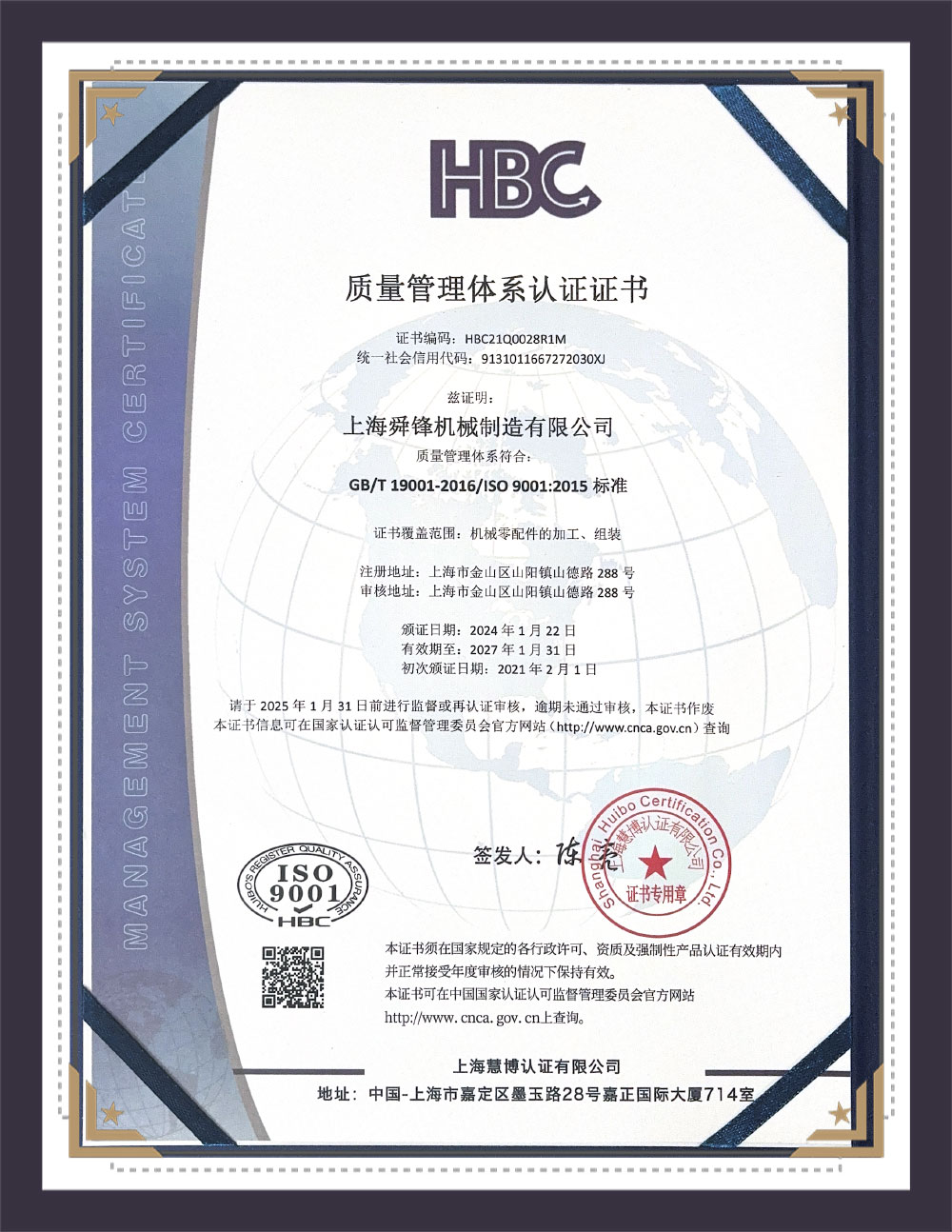
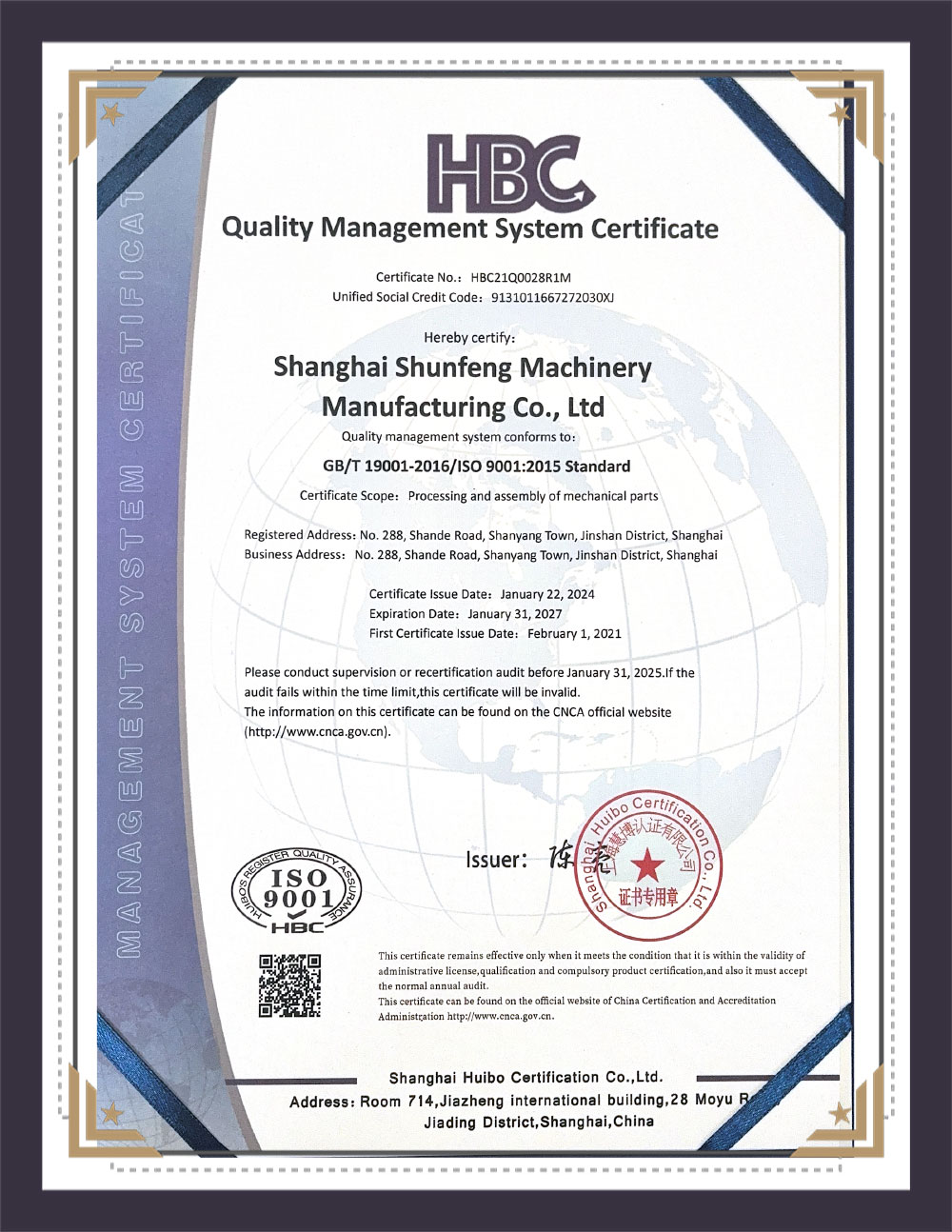
SUNFUN Group applies material certification, dimensional verification, surface finish measurement, and quality control procedures to all flange production. Our accredited technology enterprise status supports comprehensive quality systems for quick flange components, and our in‑house institute provides technical oversight for high‑temperature flange manufacturing.


 English
 日本語
日本語
 عربى
عربى
 中文简体
中文简体