
 English
 日本語
 عربى
 中文简体


High Vacuum and Ultra-High Vacuum General Semiconductor Vacuum Chambers
Meeting HV and UHV standards, these chambers are rigorously helium leak-tested to ensure ultra-low l...

Content
Choosing the right valve for a high vacuum system is often more nuanced than engineers expect. A ball valve offers quick quarter-turn operation and a straight-through flow path, but without proper seal design and flange compatibility, it can become the weakest link in your vacuum integrity. Before you specify a high vacuum ball valve, you need to know which parameters actually determine performance.
A high vacuum ball valve is a quarter-turn valve that controls the flow of gas or liquid in a system operating at pressures typically between 10-3 and 10-8 Torr. The valve body contains a spherical ball with a bore through its center. When the ball is rotated 90 degrees, the bore aligns with the flow path to let gas pass, or blocks it to stop flow.
What separates a high vacuum ball valve from an ordinary industrial ball valve is the sealing architecture. A standard ball valve relies on PTFE or Viton seats and a shaft O-ring, which can leak helium or air into the vacuum chamber over time. A high vacuum ball valve uses metal or high-performance polymer seats, and more critically, a welded metal bellows seals the shaft. This eliminates the dynamic O-ring that would otherwise be the main path for atmospheric leakage.
For example, the manual ISO flange ball valve from SUNFUN Group is designed specifically for high vacuum service, with a leak rate below 10-9 mbar·L/s and bellows-sealed operation.
 Manual ISO Flange Ball Valve for High Vacuum ServiceThis ISO-type manual ball valve features a quarter-turn operation and bellows-sealed design, delivering a leak rate of 2×10⁻⁷ mbar·L/s. It is suited for high vacuum isolation where reliable manual control is required.View Product →
Every vacuum system has its own demands, so the selection process should begin with a clear specification sheet. The following table summarizes the critical parameters you should confirm before ordering.
| Parameter | What to Confirm | Typical Range |
|---|---|---|
| Leak rate | Helium leak test certificate | < 1×10⁻⁹ mbar·L/s |
| Flange type | KF / ISO / CF | NW16 to NW250 |
| Vacuum level | High vacuum / UHV | 10-3 to 10-8 Torr |
| Actuation | Manual / pneumatic / motor | Depending on process |
| Body material | SS304L / SS316L / Al | SS316L preferred |
| Temperature | Seal compatible limit | -20°C to 150°C |
KF (quick flange) connections are the most common for small diameters up to 50 mm, while ISO or CF flanges handle larger ports and higher vacuum levels. CF flanges with copper gaskets are used for ultrahigh vacuum below 10-9 Torr. Your valve flange must match the rest of your system to avoid adapter costs and additional leak paths.
Manual, pneumatic, and motor-driven actuation each have a role. Manual valves are ideal for routine isolation and maintenance ports. Pneumatic valves deliver fast, repeatable actuation for automated processes. Motor-driven ball valves provide remote position control. If your application involves high cycle counts or automated process control, the pneumatic ball valve with an integrated actuator is a practical choice.
 Pneumatic Ball Valve with Actuator for Automated Vacuum SystemsThis KF-flanged pneumatic ball valve provides fast, repeatable actuation via compressed air, with a leak rate of 2×10⁻⁹ mbar·L/s. Ideal for automated processes needing remote control and high cycle counts.View Product →
The valve type you select impacts flow dynamics, cost, and maintenance intervals. Ball valves provide the smoothest flow path and fastest operation. Angle valves use a bellows-sealed stem that pushes a poppet onto a seat, offering the lowest leak rate and highest reliability for isolation. Gate valves handle large diameters and high conductance, making them suitable for transfer chambers and load locks.
| Valve Type | Advantages | Limitations | Best For |
|---|---|---|---|
| Ball | Quarter-turn, full flow, compact | Higher torque, more complex seals | General isolation, medium vacuum |
| Angle | Low leak rate, excellent reliability | Higher cost, restricted flow path | High vacuum isolation |
| Gate | High conductance, large port sizes | Slow operation, larger footprint | Transfer chambers, load locks |
For medium vacuum systems (10-3 to 10-6 Torr) where fast operation and compact size matter, ball valves are often the right choice. For ultrahigh vacuum, angle valves with copper gaskets remain the standard.
High vacuum ball valves are used in a wide range of industries where controlled gas flow and reliable sealing are critical.
In semiconductor equipment, ball valves are used for gas delivery lines, vent lines, and rough pump isolation. The valves must tolerate aggressive process gases while maintaining vacuum integrity. Cleanroom-compatible materials and electropolished surfaces are typical requirements.
Thin-film deposition systems for solar cells use ball valves to isolate pump lines and chamber sections. Fast actuation is needed for multi-chamber processes, which is why pneumatically actuated valves are common.
Many labs use the manual KF flange ball valve for small vacuum setups, sample chambers, and bench-scale experiments. KF connections are easy to assemble without tools, making them ideal for flexible research systems.
 Manual KF Flange Ball Valve for Laboratory Vacuum SetupsFeaturing a KF flange and quarter-turn manual operation, this valve offers easy assembly without tools. Its leak rate of 9×10⁻⁷ mbar·L/s makes it suitable for small vacuum systems and experimental research.View Product →
PVD and sputtering systems rely on ball valves for roughing lines and isolation between pump stages. The valves must be robust against deposition byproducts and heat.
Understanding where high vacuum ball valves fail helps you specify the right product and plan maintenance.
The main cause of leakage is seal degradation. In high vacuum service, elastomer seals age, outgas, and lose elasticity. If your application requires a leak rate below 10-9 mbar·L/s, choose a valve with metal seats or high-performance polyimide seals.
The bellows seal on the valve stem is a dynamic component. Over time, repeated cycling can cause fatigue cracks, allowing atmospheric leak. For high cycle applications, ensure the actuator design limits stem stress and that the bellows material matches your process gas.
In some processes, process particles can land on the ball and seat, causing scratches that lead to leakage. Regular purging and careful process design help reduce this risk.
Forcing mismatched flange types or applying excessive torque can damage sealing surfaces. Verify that the valve flange matches the system flange standard before installation.
Before you make a purchase, run through this checklist to avoid costly mistakes.
For precision-machined components or custom valve parts, working with a reliable CNC machining manufacturer ensures tolerances and surface finishes meet vacuum application requirements.
No. A standard ball valve has an elastomer shaft seal that can leak atmosphere into the vacuum chamber. For high vacuum service, you need a valve with a metal bellows seal or a fully welded body.
A high quality high vacuum ball valve typically has a helium leak rate below 1×10⁻⁹ mbar·L/s. This meets the requirements for most high vacuum applications in semiconductor and coating systems.
KF flanges are used for tube diameters up to 50 mm with O-rings and clamps. ISO flanges handle larger diameters and offer higher durability, with bolt rings or band clamps. The choice depends on the port diameter and vacuum level.
Inspect the valve annually for helium leaks and operate it manually to check smooth rotation. For high cycle applications, performance checks every six months are recommended.
Selecting a high vacuum ball valve is not a one-size-fits-all decision. You need to match the valve's flange type, leak rate, actuation, and material to your specific process. KF and ISO configurations cover the majority of high vacuum scenarios, and bellows-sealed designs guard against the most common failure point. If you are upgrading an existing system or specifying a new one, start with a clear vacuum requirement and work backwards to the valve specification. Working with a manufacturer that understands both vacuum technology and precision machining helps ensure the product performs reliably over its service life.
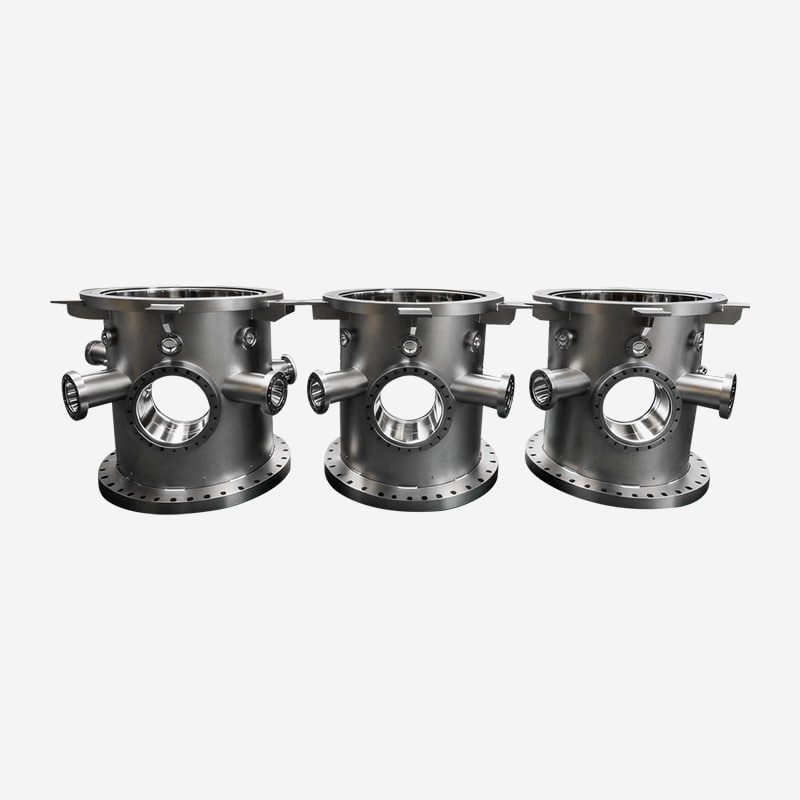
Meeting HV and UHV standards, these chambers are rigorously helium leak-tested to ensure ultra-low l...
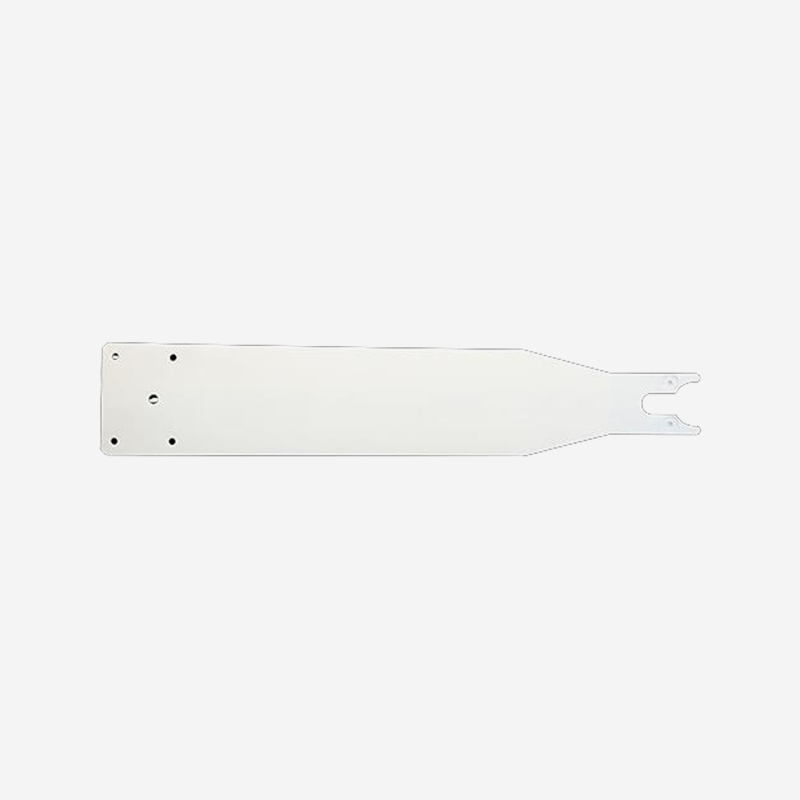
Product Features Hard and stable: High hardness,wear-resistant and durable, not prone to deformation...
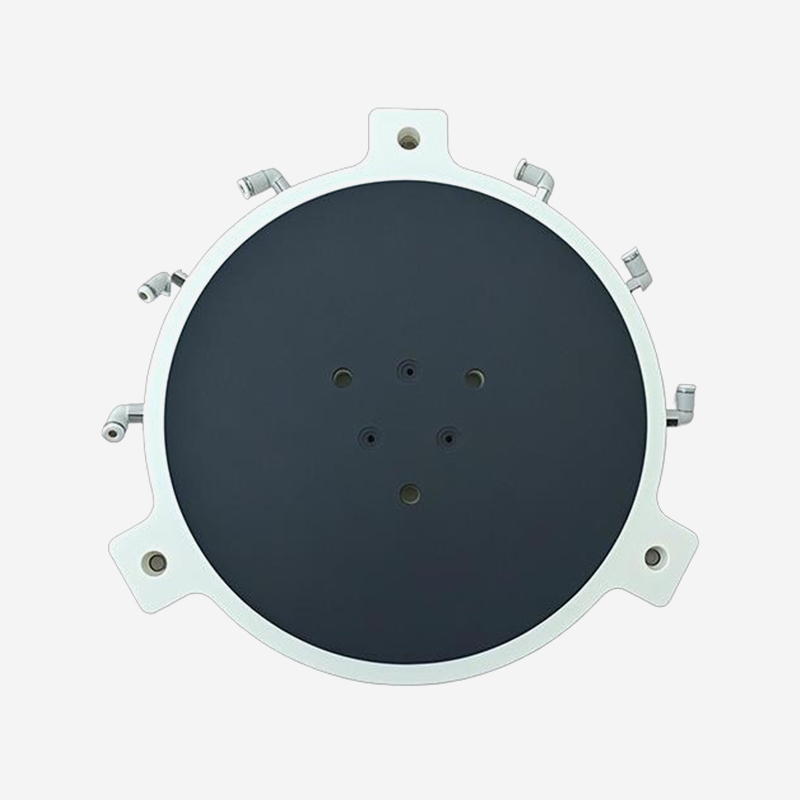
Product Features High cleanliness: Ceramic material, no metal ion contamination, smooth surface (Ra≤...
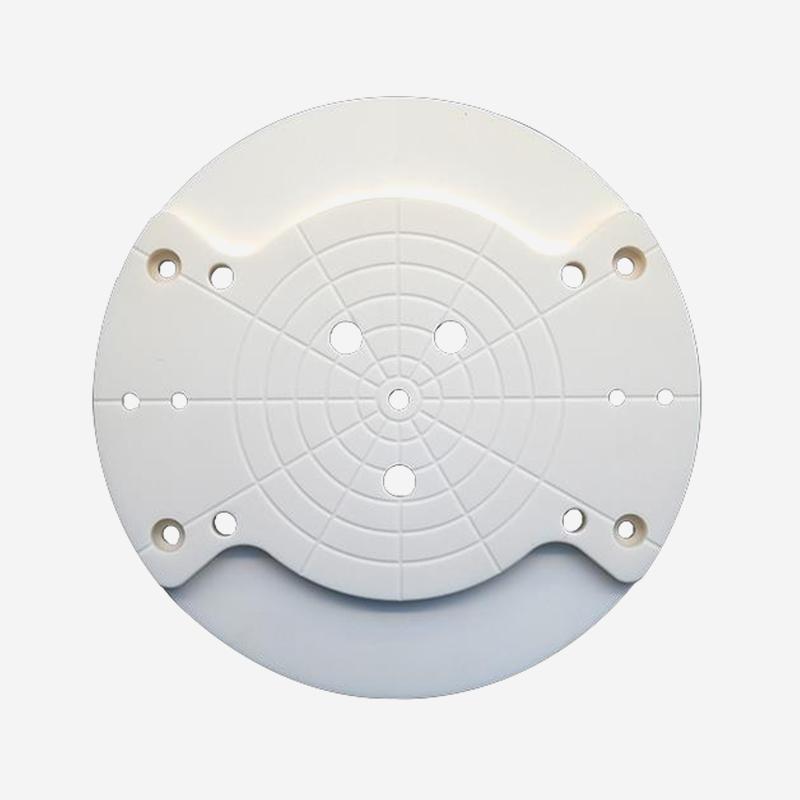
Product Features Clean and precise: Smooth surface (not easy to scratch the workpiece), uniform and ...
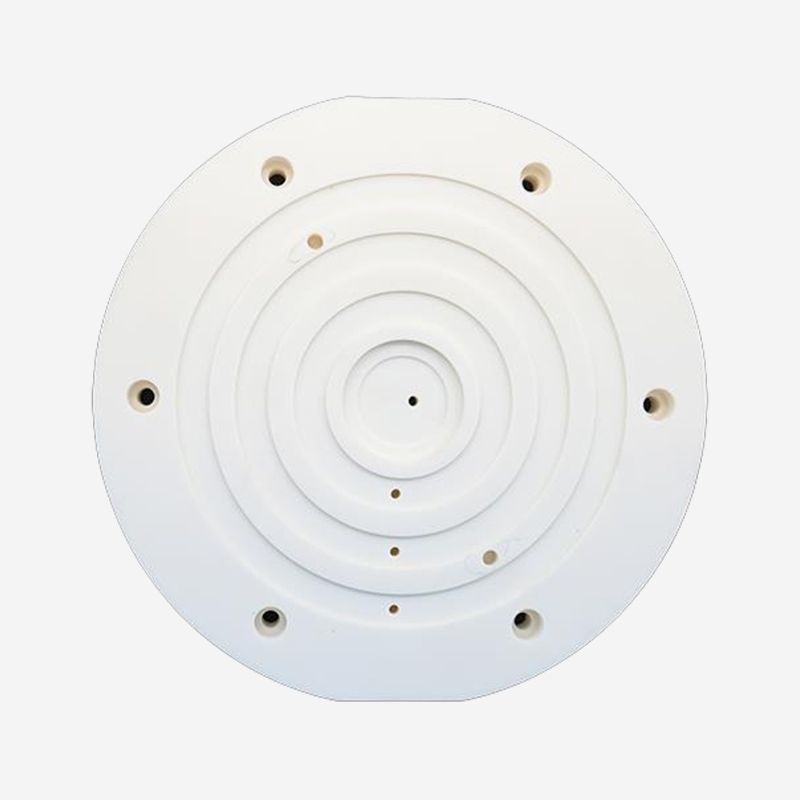
Product Features High cleanliness: Smooth surface, dust-free, suitable for precision workpieces such...
Ready to Innovate Together? Contact Our Experts.

Contact Us
Address: 288 Shande Road, Shanyang Town, Jinshan District, Shanghai, China TEL/WhatsApp:Mobile terminal