
 English
 日本語
 عربى
 中文简体


High Vacuum and Ultra-High Vacuum General Semiconductor Vacuum Chambers
Meeting HV and UHV standards, these chambers are rigorously helium leak-tested to ensure ultra-low l...

Content
A high vacuum system is only as reliable as the parts that hold it together. A single mismatched flange, an undersized valve, or an incorrect seal can turn a routine process into hours of leak hunting. The practical result: in semiconductor deposition, optical coating, or SiC processing, the component choices you make before assembly determine your uptime more than the pump behind them. This guide explains what matters when selecting high vacuum system components, gives you a direct comparison of the main flange standards, and points out the buying mistakes that cost teams the most.
High vacuum and ultrahigh vacuum (UHV) are defined by pressure ranges. Rough vacuum extends from 1 mbar to 10-3 mbar. High vacuum covers 10-3 to 10-7 mbar. Ultrahigh vacuum goes below 10-7 mbar, and extreme vacuum starts near 10-12 mbar. Within these ranges, the system is built around a few core elements: a chamber, a pumping train, gauges, and the components that connect them—flanges, seals, valves, bellows, and feedthroughs.
The role of components is often underestimated. A pump can move gas, but it cannot compensate for a leak in the chamber wall or a permeable elastomer seal. In practice, the base pressure you achieve is decided by the total leak rate plus the outgassing rate of every surface exposed to vacuum. Choosing the right components is about controlling both.
When you build a high vacuum system, four families of components handle most of the work: flanges and seals, valves, chambers, and feedthroughs. Each one has a specific function and a specific failure mode.
Flanges are the connection points that allow pumps, gauges, and chambers to be assembled and serviced. The three most common standards are KF, ISO, and CF. KF flanges are the workhorse for high vacuum systems up to 10-7 mbar. A KF flange with an O-ring is quick to assemble and works well in standard semiconductor and coating equipment. ISO flanges handle larger bores, while CF flanges use metal knife-edge seals and are optimized for UHV applications.
 KF Flange with Multiple Bore Sizes for High Vacuum SystemsKF flanges are standard for high vacuum up to 10^-7 mbar. This range includes sizes from KF10 to KF160 in SUS304, with O-ring seals that ensure quick assembly and reliable performance in semiconductor and coating equipment.View Product →
| Standard | Pressure range | Typical seal |
|---|---|---|
| KF | High vacuum | O-ring |
| ISO | High vacuum | Centering ring/O-ring |
| CF | Ultrahigh vacuum | Metal gasket |
The seal is where most field failures originate. Elastomer O-rings are simple and cost-effective, but they outgas and become permeable at extreme vacuum levels. Metal gaskets are required for UHV but cannot be reused. For a process that involves bake-out or aggressive gases, metal-sealed CF components are the safer choice.
Valves are the control points that determine how quickly you can isolate a chamber or gate a pump. For manual or pneumatic operation, angle valves and gate valves are common. A formed bellows seal prevents contamination from reaching the vacuum side. For UHV, copper-gasket-sealed all-metal valves are preferred. Consider a manual KF angle valve with bellows when you need a simple high vacuum isolation valve with minimal outgassing.
Chambers create the working volume. Their material, surface finish, and welded design influence outgassing and base pressure. For semiconductor and thin-film deposition, a dedicated high vacuum and UHV semiconductor vacuum chamber provides the geometry and port layout needed for process integration. Feedthroughs for power, fluid, or motion must be sealed to the same standard as the chamber. A copper-gasket sealed feedthrough in a KF system is a mismatch you will regret.
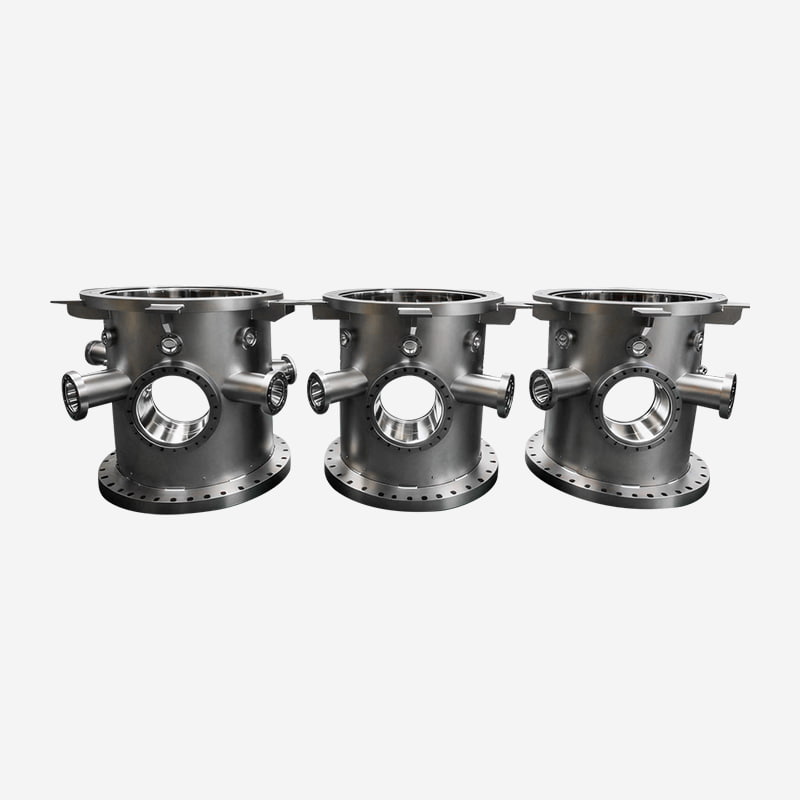 High Vacuum and UHV Semiconductor Vacuum ChambersThese chambers meet HV and UHV standards and are helium leak-tested for ultra-low leak rates. They are designed for semiconductor processing, offering the geometry and port layout needed for process integration.View Product →
Pumps are the heart of the system, but the components just discussed determine whether that pumping power translates into actual base pressure. A correctly sized pump with a leaky flange is still a failing system. This is why every component choice should be made with the same care as the pump selection.
Your procurement checklist should start with three questions: What is the base pressure? What gases will the system see? How often will you need to open it? The answer to these questions determines whether you need KF, ISO, or CF, and whether elastomer or metal seals will survive.
Material selection also matters. Stainless steel 304/316 is standard for vacuum components, but for processes with aggressive gases you may need aluminum or special alloys. Surface finish affects outgassing. Ask for electropolished internal surfaces when you target UHV.
Applying this logic to specific processes:
Quality control is non-negotiable. A component that looks identical but uses a lower-grade seal or a thinner weld can fail within weeks. This is why working with a manufacturer who controls machining and welding in-house is valuable. If you are evaluating a vendor, the same criteria discussed in our guide on choosing a reliable CNC machining manufacturer apply directly to vacuum components: certifications, tolerance records, and ability to handle custom geometry.
These errors are not rare. They show up during commissioning, when the pump reaches its limit and the system still does not reach the target pressure. A short conversation with a component supplier who understands vacuum technology can prevent most of them.
High vacuum components are designed for pressures from about 10-3 to 10-7 mbar and often use elastomer seals such as O-rings. Ultrahigh vacuum components handle pressures below 10-7 mbar and require metal seals with knife-edge flanges, typically CF.
You can, but only through a dedicated adapter. Mixing them directly without a proper transition piece will cause a leak. If you need both standards in one system, add a KF-to-CF adapter and verify its sealing mechanism.
Ask for helium leak-tested documentation. Most reputable suppliers test each component with a helium mass spectrometer and specify an accepted leak rate, usually in mbar-L/s. Request this data for every flange, valve, and chamber.
Outgassing is the release of trapped gases from surfaces and materials under vacuum. It affects base pressure and process stability. For UHV, choose baked materials and smooth, polished surfaces to minimize outgassing.
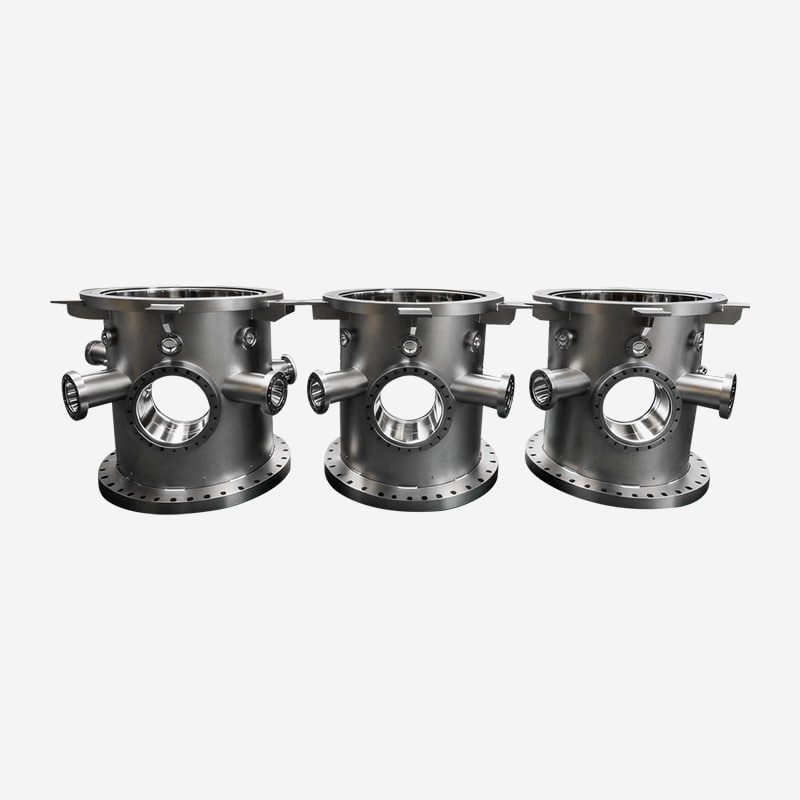
Meeting HV and UHV standards, these chambers are rigorously helium leak-tested to ensure ultra-low l...
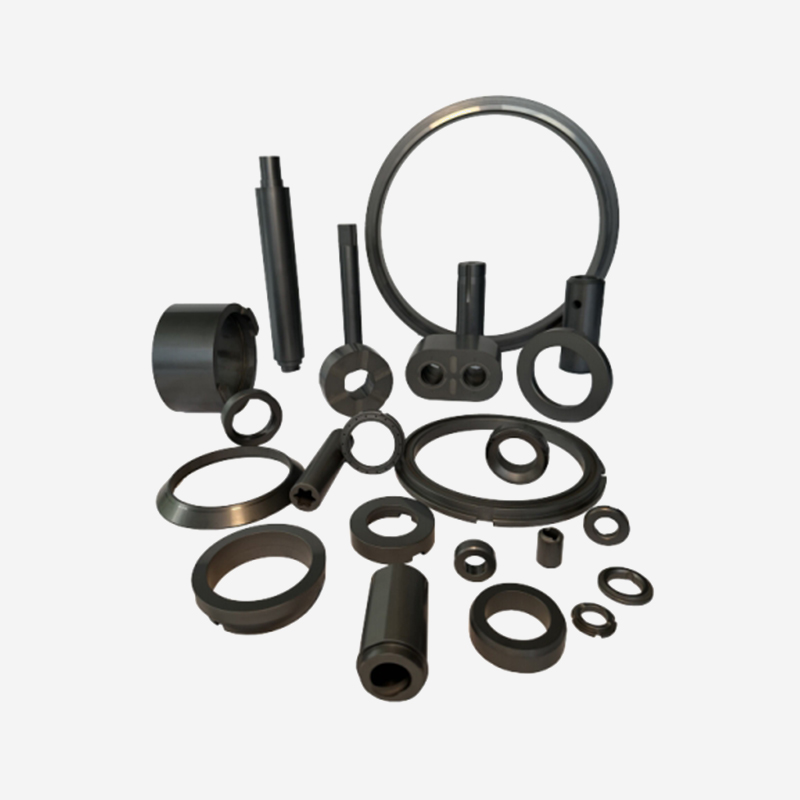
Silicon carbide materials have extremely high hardness and strength, excellent wear resistance and a...
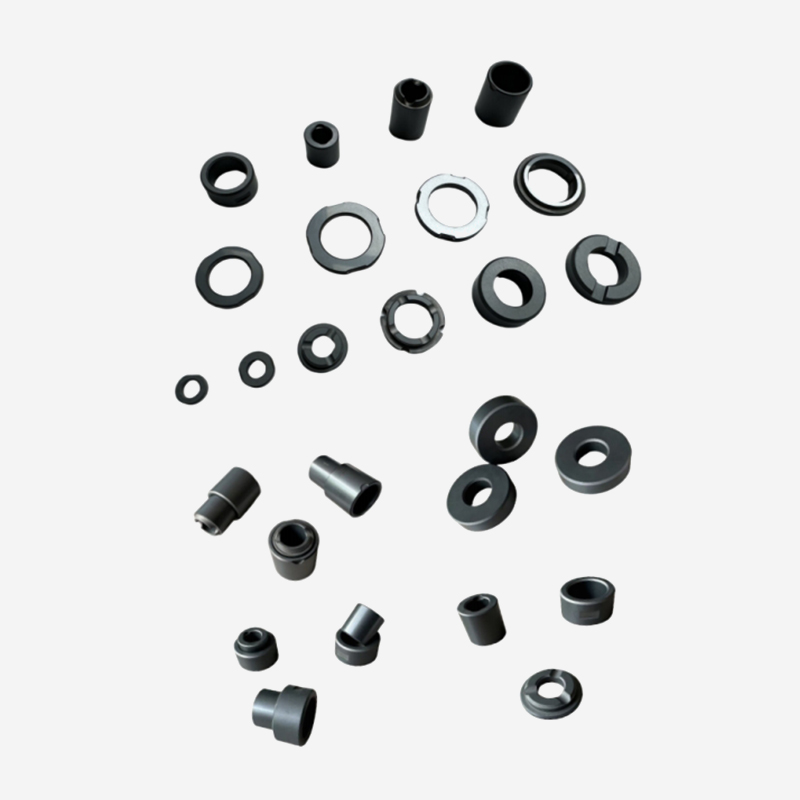
High-performance silicon carbide ceramics feature extremely high wear resistance and friction resist...
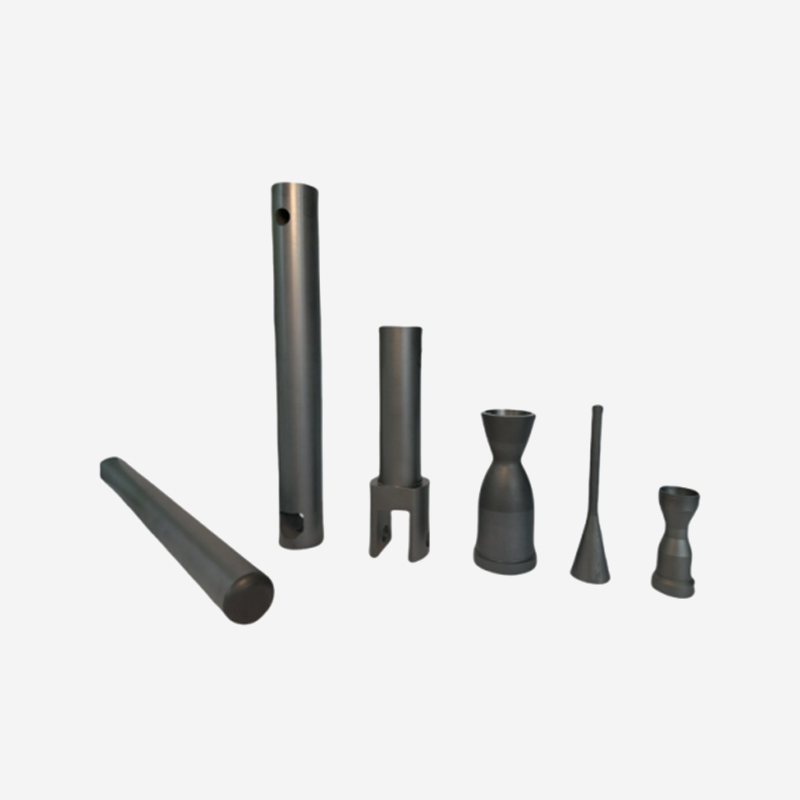
For the most demanding high-temperature applications, sintered silicon carbide outperforms most meta...
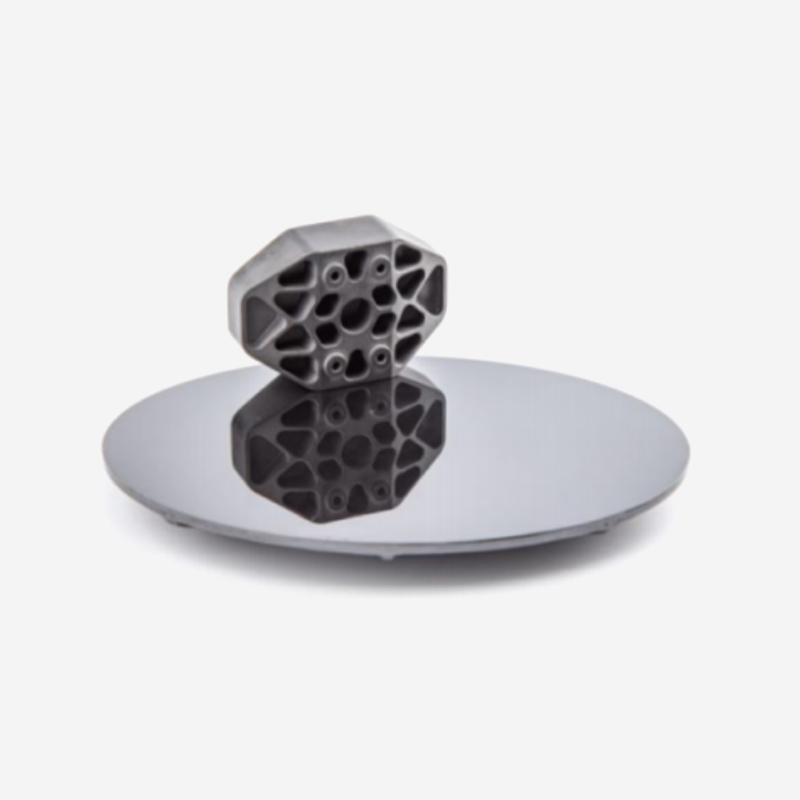
Silicon carbide features an extremely low porosity, a uniform and dense microstructure, a low densit...
Ready to Innovate Together? Contact Our Experts.

Contact Us
Address: 288 Shande Road, Shanyang Town, Jinshan District, Shanghai, China TEL/WhatsApp:Mobile terminal