

 English
 日本語
 عربى
 中文简体


High Vacuum and Ultra-High Vacuum General Semiconductor Vacuum Chambers
Meeting HV and UHV standards, these chambers are rigorously helium leak-tested to ensure ultra-low l...

Content
Every vacuum system has a personality. Some hold base pressure quickly and stay stable for weeks; others seem to develop a new leak every time a flange is opened. In most cases, the difference is not the pump or the controller. It is the vacuum chamber: its geometry, its internal surface, and the way it was welded and cleaned.
This guide explains what to look for when specifying, buying, or inspecting a vacuum chamber, from material selection and surface treatment to quality-control checks and supplier evaluation.
A vacuum chamber is a sealed vessel that allows a process to run at a pressure lower than the surrounding atmosphere. Depending on the application, the chamber may operate in rough vacuum (above 1 mbar), high vacuum (around 1 x 10^-3 mbar), or ultrahigh vacuum (below 1 x 10^-7 mbar). The lower the target pressure, the more attention every detail requires.
The design of the chamber determines three things: how quickly the system reaches the target pressure, how low that pressure can be, and how stable it remains during the process. Those outcomes depend on the base material, the internal surface finish, the number and quality of seals, and the way internal components are mounted. A chamber with a poor internal finish may outgas for weeks; a chamber with trapped volumes may never reach the pressure stated on the data sheet.
The chamber should also be designed for good conductance. Pump ports should be large, and internal components should not create narrow passages that slow down gas flow.
Stainless steel is the default material for most high and ultrahigh vacuum chambers. Grades such as 304L or 316L provide good corrosion resistance, low outgassing after electropolishing, and stable mechanical properties under thermal cycling. Aluminum is often chosen for large chambers or moving parts because it is lighter and has better thermal conductivity, but its porous oxide layer must be carefully controlled during manufacturing. The table below summarizes the most common material choices.
| Material | Typical Use | Key Advantage | Main Limitation |
|---|---|---|---|
| 304/316L stainless steel | High vacuum and UHV chambers | Low outgassing, excellent weldability | Heavier than aluminum |
| Aluminum 6061 | Large chambers, coating systems | Lightweight, good thermal conductivity | Needs special surface sealing |
| Oxygen-free copper | Gaskets and feedthroughs | Very low leak rates with CF flanges | Expensive, soft |
Surface finish is not cosmetic. For high vacuum, a clean bead-blasted or passivated surface is often enough. For ultrahigh vacuum, electropolishing removes microcracks and embedded particles that trap gas and create virtual leaks. Cleaning should be done with alkaline detergents, deionized water rinses, and, where appropriate, a vacuum bake-out cycle.
Every weld is a potential source of virtual leaks and particle generation. Full penetration welds, continuous welds rather than spot welds, and designs that avoid crevices or blind pockets reduce the risk. After welding, the chamber should be helium leak-tested, ideally with the leak detector connected to the chamber and helium sprayed on the outside of every joint.
The choice of flange standard affects leak tightness, ease of assembly, and long-term maintenance. KF and ISO flanges are practical for rough and high vacuum systems because they are fast to assemble; CF flanges with metal gaskets are common in UHV applications because they can be baked and achieve extremely low leak rates. Viewports, electrical feedthroughs, and gas inlets must be designed so their materials have compatible thermal expansion and do not outgas.
Every chamber must withstand atmospheric pressure without permanent deformation. The wall thickness, stiffening ribs, and the placement of ports are therefore structural decisions. At the same time, the port size and internal geometry set the effective pumping speed. A large chamber with a small outlet will pump slowly no matter how powerful the vacuum pump is.
The best vacuum chamber design fails if it cannot be machined to the required tolerances. Flange faces must remain flat and parallel, O-ring grooves must be within a few hundredths of a millimeter, and bolting patterns must align with the matching hardware. In practice, this means the chamber manufacturer should have in-house machining, inspection, and surface-treatment capability rather than relying on separate subcontractors.
At our facility, we combine 0.001 mm precision machining with parts ranging from 0.1 gram to 150 tons, which is why we can produce everything from small CF components to large coating chambers. For a closer look at the precision processes behind chamber components, see our guide on how precision-machined parts are manufactured.
Do not rely on a vacuum chamber supplier's word alone. Ask for the helium leak test report, the material certificate, and the dimensional inspection record before you schedule installation.
At a minimum, the supplier should be able to provide:
Semiconductor processes such as sputtering, etching, and chemical vapor deposition require stable high vacuum or ultrahigh vacuum environments. The vacuum chamber must resist particle generation, tolerate reactive gases, and maintain clean surfaces between process runs. For third-generation semiconductor materials such as silicon carbide, the chamber often must work with high-temperature components and specialized ceramic parts. That is why we manufacture dedicated high-vacuum and ultrahigh-vacuum semiconductor chambers with tightly controlled internal geometry and weld quality.
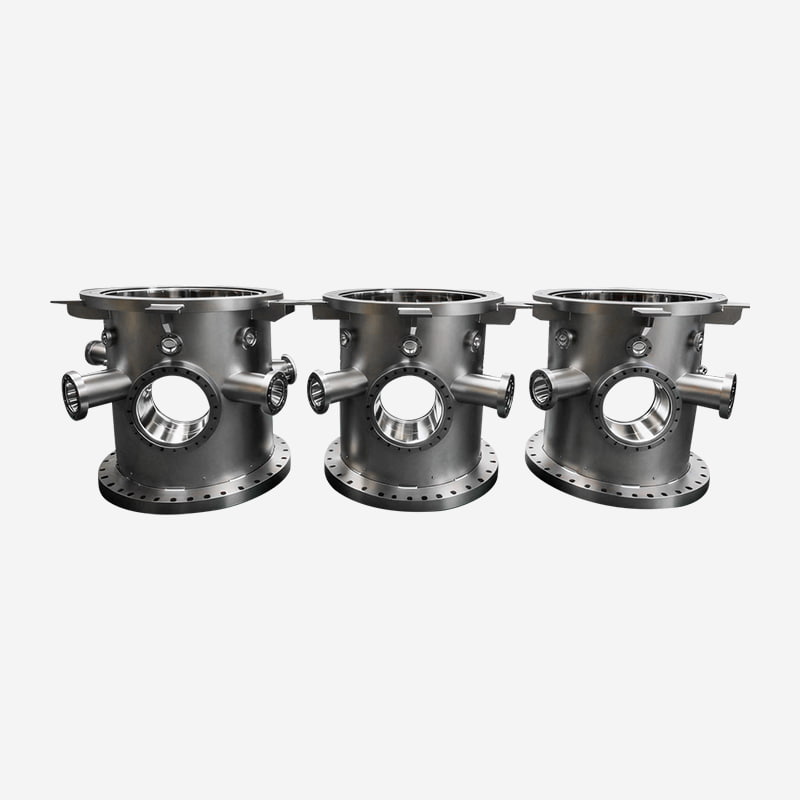 High Vacuum and Ultra-High Vacuum Semiconductor Vacuum ChambersThese chambers are built for stable HV/UHV environments in semiconductor processing, with controlled geometry and leak testing. Consider them where reactive gases and high-temperature components demand clean, reliable vacuum performance.View Product →
Coating systems use chambers with large internal volumes, multiple access ports, and often specialized fixturing for roll-to-roll or inline processing. The chamber body must provide structural rigidity under vacuum load while keeping internal surfaces compatible with the deposited film. For continuous coating lines, the chamber length and port layout are typically customized to the process. Our continuous-line coating chambers are built for this requirement.
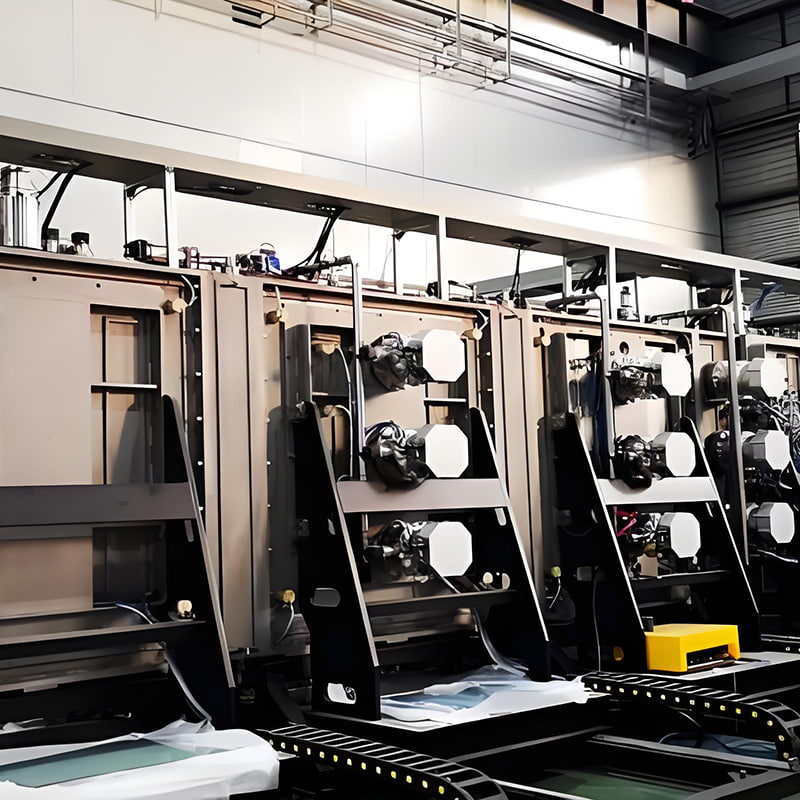 Continuous Line Coating Chambers for Inline ProductionDesigned for large-volume coating systems with custom port layouts and rigid vacuum structures. They support roll-to-roll or inline processing, making them relevant for high-throughput continuous coating and multi-layer deposition applications.View Product →
Vacuum chambers are also used in hydrogen production, fuel cell component testing, and lithium battery drying or filling lines. These applications often combine moisture control, vacuum integrity, and safety requirements. A chamber with the wrong surface finish can trap moisture and force longer pump-down cycles, which directly reduces throughput. Our hydrogen-energy and lithium battery chambers address that issue with controlled internal surfaces and leak-tested weld seams.
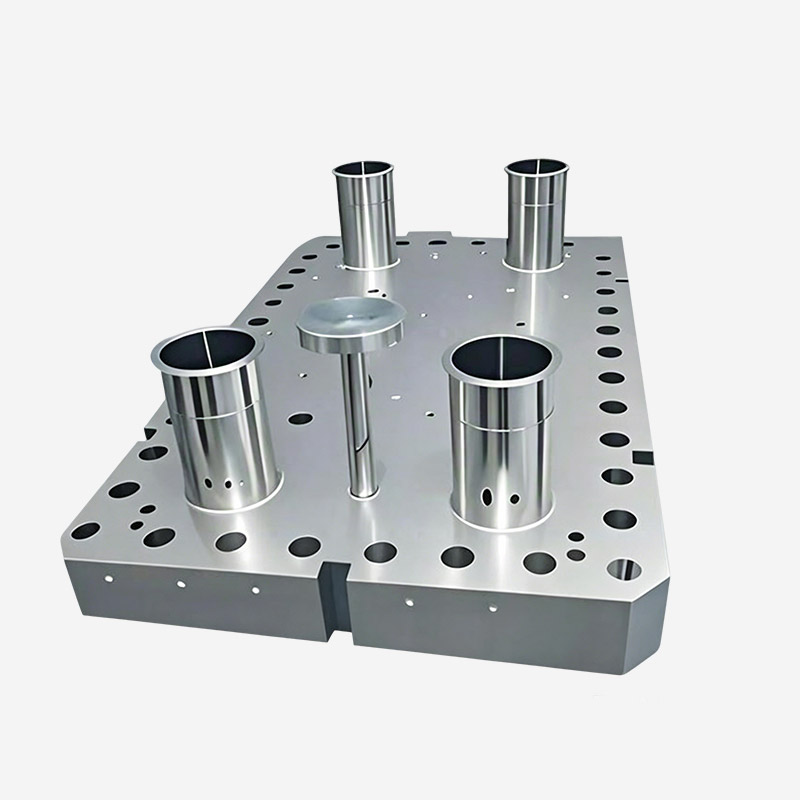 Vacuum Chambers for Hydrogen Energy and Lithium Battery ProcessesThese chambers address moisture control and vacuum integrity in hydrogen production, fuel cell testing, and battery drying or filling. Controlled internal surfaces and leak-tested welds help shorten pump-down cycles and improve process safety.View Product →
Other applications, including aerospace simulation, optical coating, and fiber-optic processing, impose their own constraints, such as large overall dimensions or special viewport requirements.
A reliable supplier should not only draw the chamber and weld it; they should also help you choose the right material, flanges, internal treatment, and testing plan. In our experience, the following questions narrow the list quickly:
At SUNFUN, we have followed this approach since 1986, combining vacuum equipment manufacturing with precision machining and large-part fabrication. That combination keeps tolerances under control from the first cut to the final leak test.
For high vacuum and UHV, 304L or 316L stainless steel is usually the safest choice because of its low outgassing and good weldability. Aluminum is a practical alternative for large or weight-sensitive chambers, but it requires more careful surface preparation.
A rough surface traps gas molecules and process residues. Electropolished or properly passivated surfaces release gas more quickly, shorten pump-down time, and reduce particle contamination in sensitive processes.
Yes. The geometry, number and type of ports, material, surface treatment, and testing requirements can all be adapted to the process. Provide your supplier with the working pressure range, gas types, temperature range, and expected cycle time.
Request a dimensional inspection report, material certificates, helium leak test results, and a cleaning record. If the chamber includes welding, ask for weld inspection records as well.
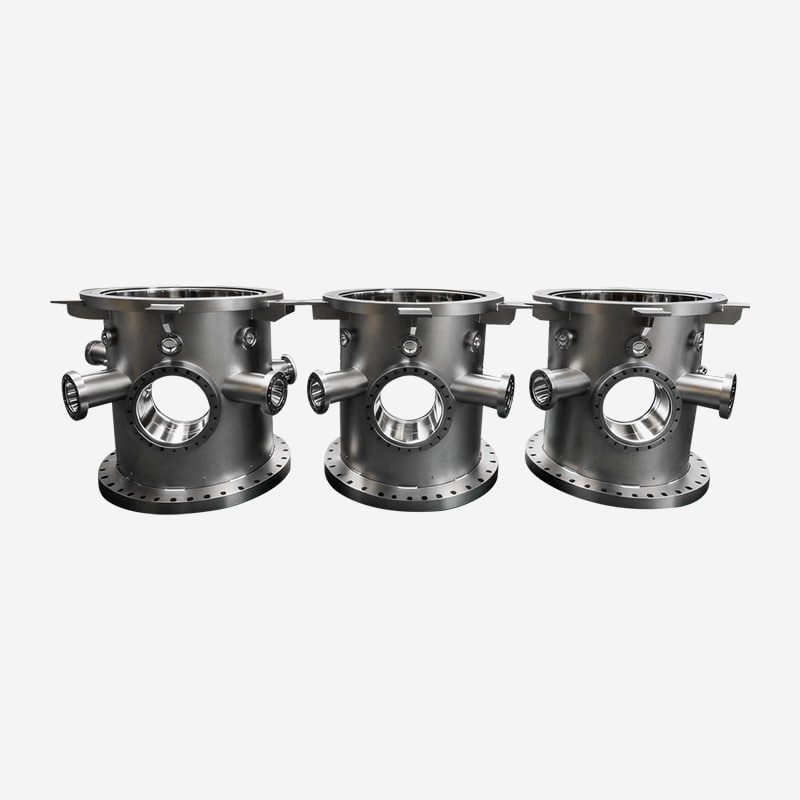
Meeting HV and UHV standards, these chambers are rigorously helium leak-tested to ensure ultra-low l...

Application field: Cover glass The processing of cover glass for electronic products such as touch s...
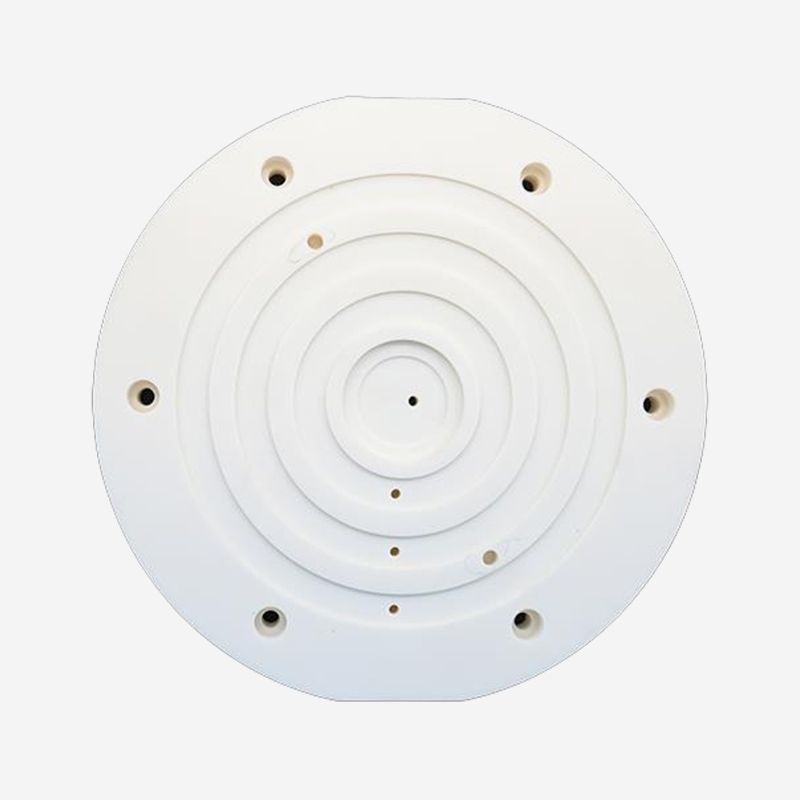
Product Features High cleanliness: Smooth surface, dust-free, suitable for precision workpieces such...
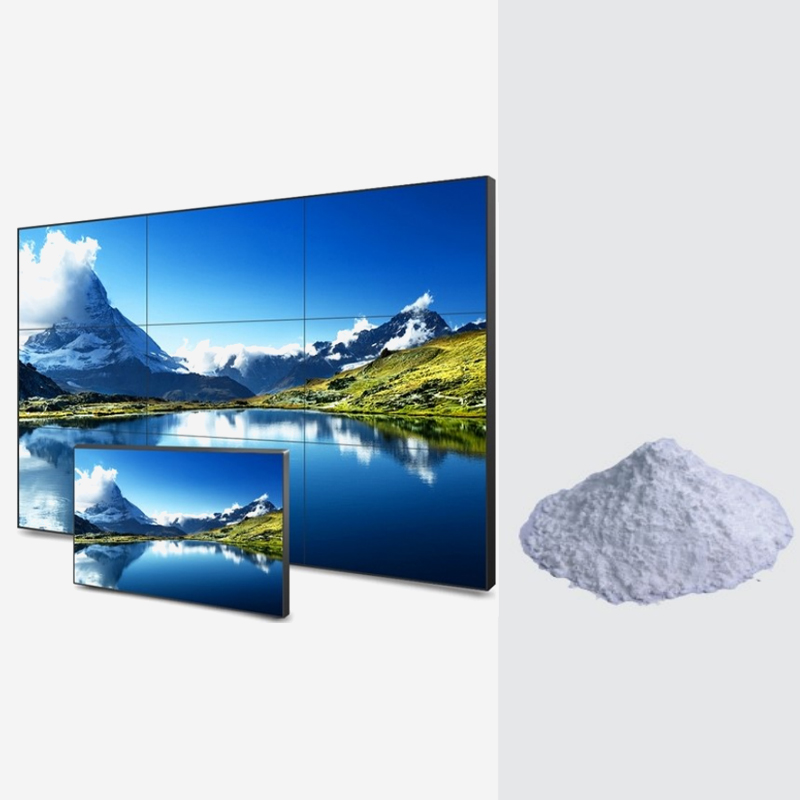
Application fields High-precision rare earth polishing powder is suitable for the thinning processin...
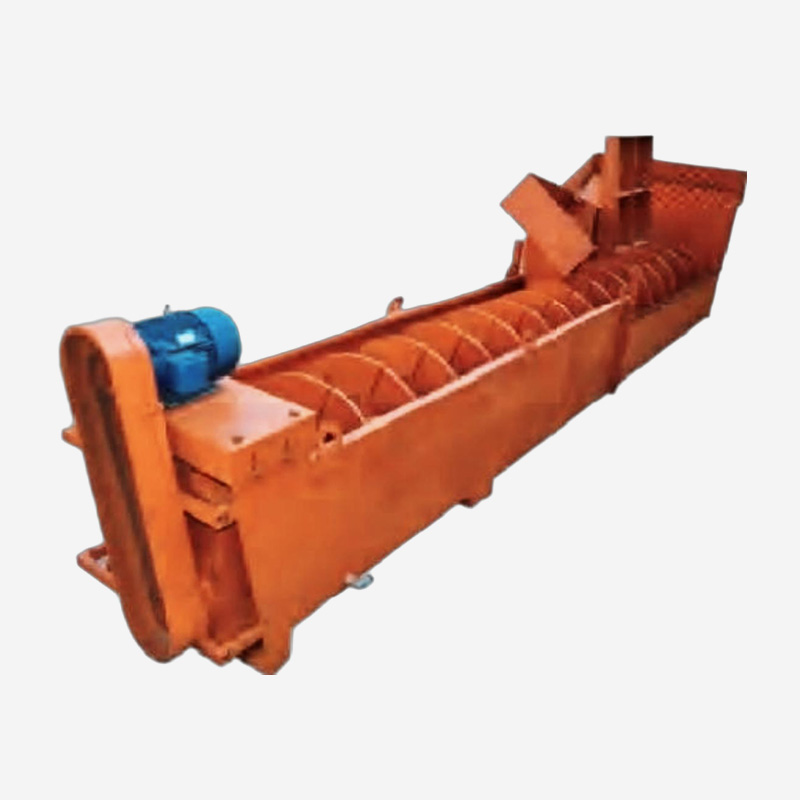
This series of products is a high- efficiency wheel bucket type sand washing equipment used in conju...

The arc ion coating machine is a high-efficiency, harmless, and pollution-free piece of equipment. I...
Ready to Innovate Together? Contact Our Experts.

Contact Us
Address: 288 Shande Road, Shanyang Town, Jinshan District, Shanghai, China TEL/WhatsApp:Mobile terminal